If you’ve ever watched your toddler line up shoes by size or dissolve into tears when their routine changes, you’ve seen something profound at work. Children aren’t just being “picky” or “particular.” They’re showing a natural developmental pattern called sensitive periods.
Understanding these phases changes everything and daily chaos starts to make sense. Those endless repetitions and the fascination with buttons or letters become not so random anymore. They’re signs that your child’s brain has opened a unique window of opportunity.
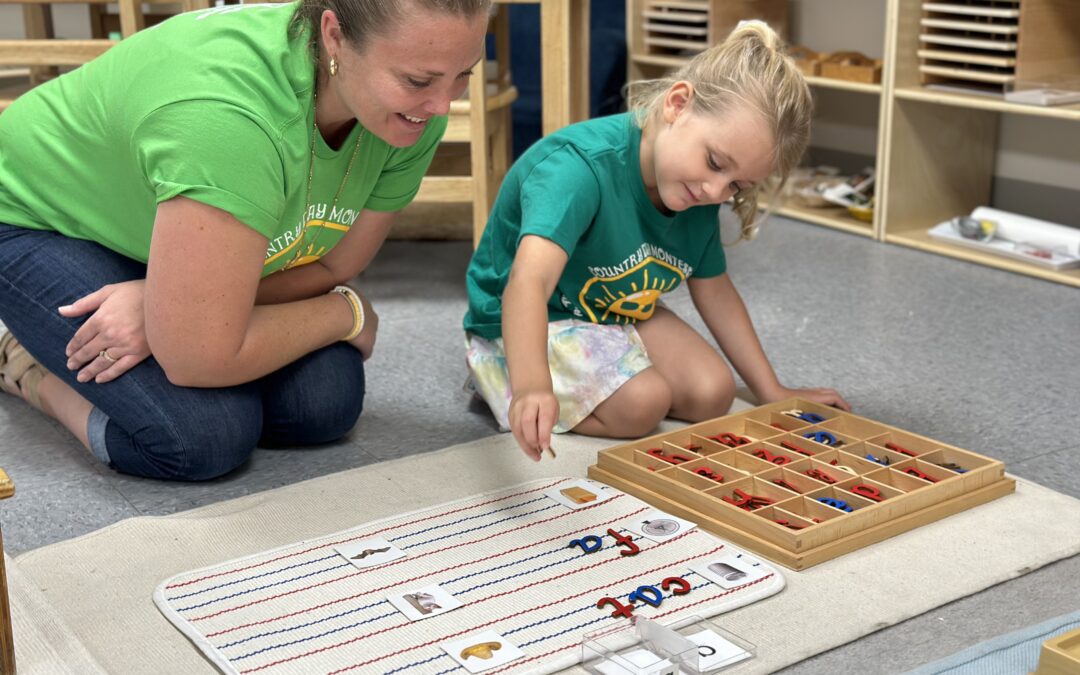
Montessori education in Stone Oak was built around that very idea. It honors timing as much as teaching, allowing children to encounter new skills at the moment they’re most ready to absorb them. And that’s the quiet magic of it: when you follow a child’s rhythm, growth feels natural—almost effortless.
What Are Sensitive Periods?
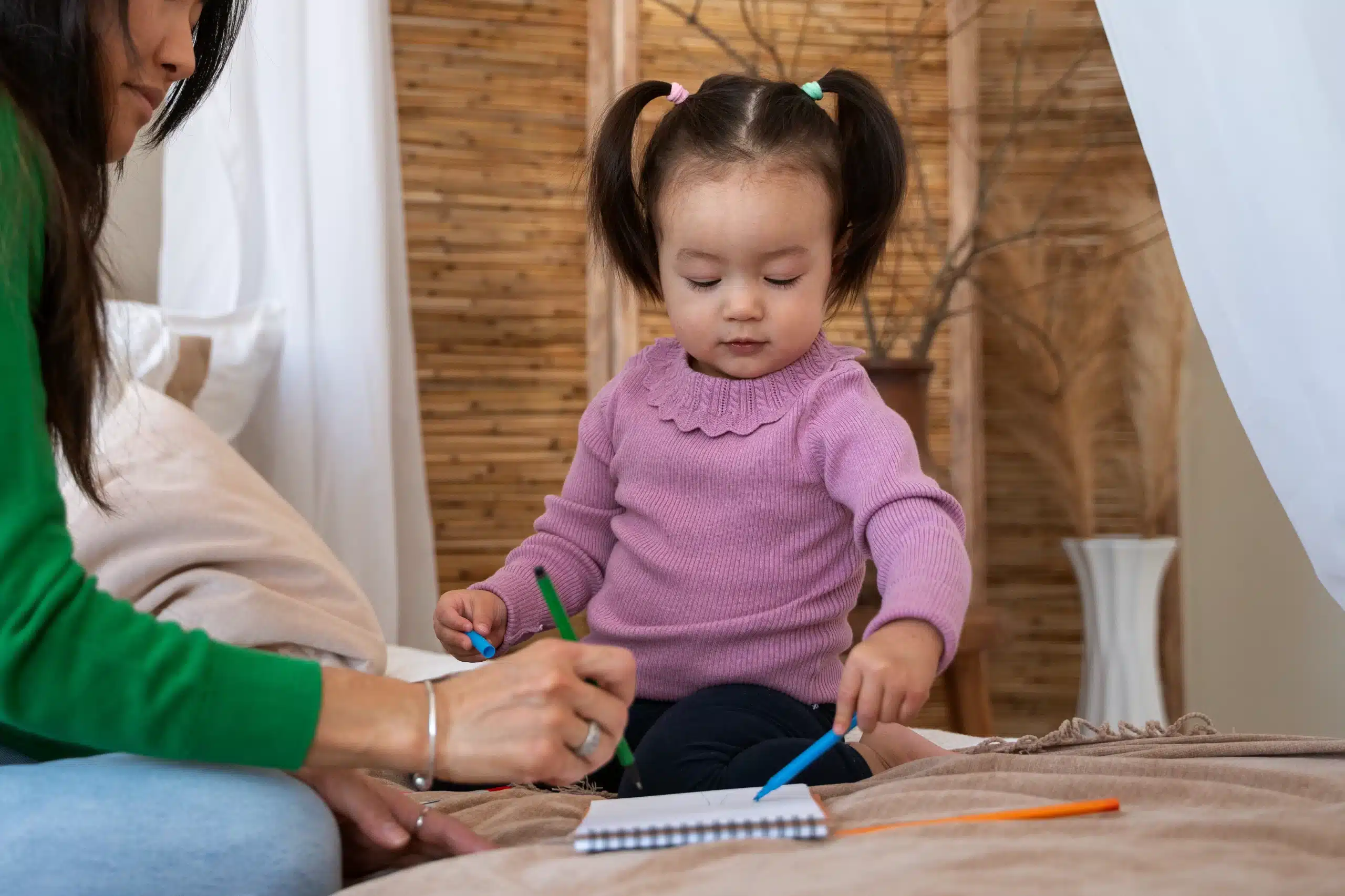
In plain terms, sensitive periods are short windows when the brain is primed to master a specific skill—language, movement, order, and even social grace. Think of them as nature’s “green lights.” When the light is on, the child learns almost unconsciously, but when it turns off, the same task takes more effort.
Montessori guides watch for these cues. They neither rush nor hold back, observing carefully when a child’s attention locks on something vital. Research has long supported this approach; modern neuroscience confirms that the brain’s wiring is time-sensitive. Recent sensitive periods research from Frontiers in Developmental Psychology shows how aligning learning with these windows boosts both emotional well-being and academic growth.
The Major Sensitive Periods (Birth to Age Six)
Below are the key sensitive periods you can observe at home and how the classroom nurtures them.
1. Order (ages 0–3)
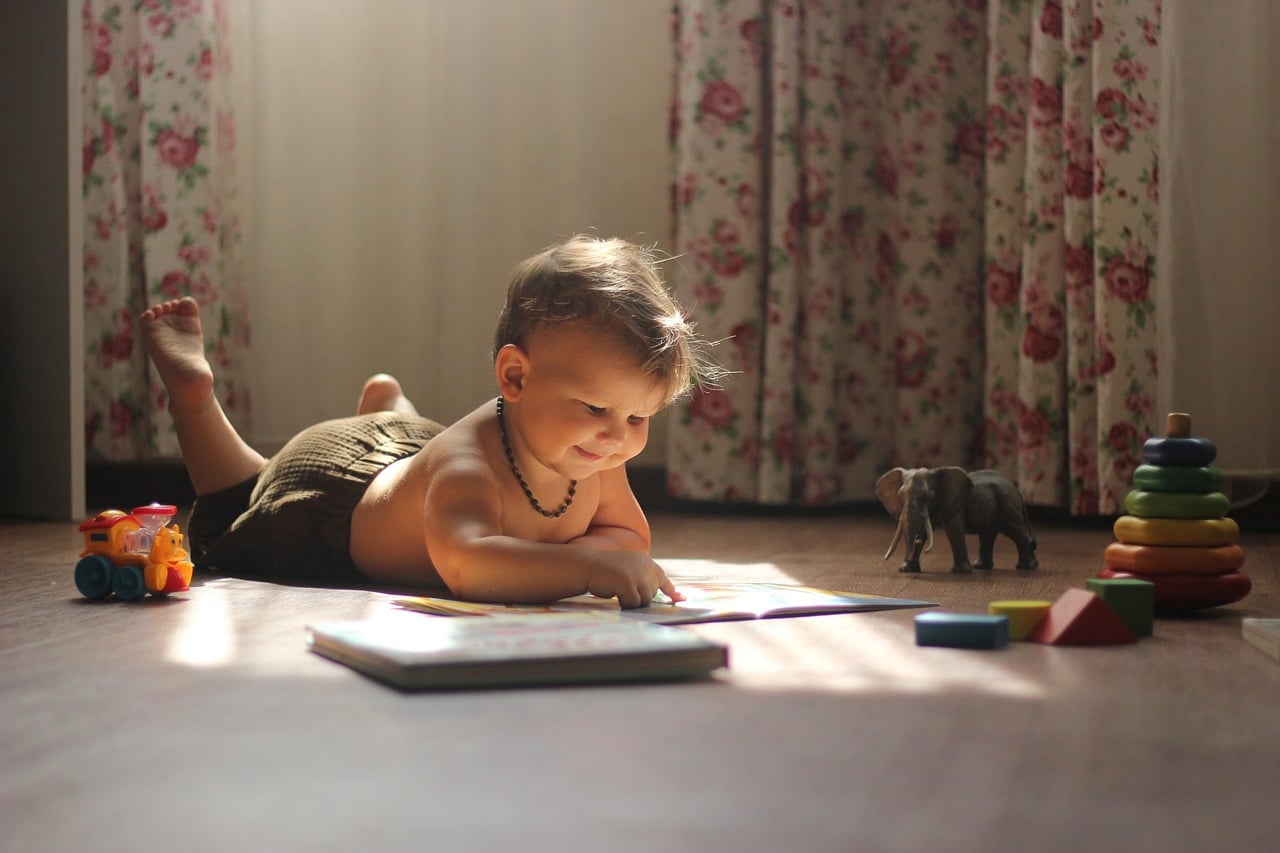
Toddlers crave predictability. They want their cup in the same spot and their blanket folded just so. When life gets messy, their world tilts. That’s not stubbornness but a neurological need.
At this age, a consistent environment creates calm. In our campus, shelves stay neat and familiar, materials in their rightful place. Everything a child touches tells the same story: “You are safe. You can trust your world.”
You’ll notice it at home, too. Maybe during a weekend, you stroll past the calm neighborhoods off Hardy Oak Blvd and Agora Palms Dr, where a two-year-old is quietly matching lids to containers, restoring order in their own small way. That simple ritual is logic in its earliest form, structure taking root long before it becomes reasoning.
2. Language (birth–6)
From a baby’s first coo to the nonstop chatter of a preschooler, the drive for language never stops. Words are their building blocks for belonging.
In Montessori learning spaces, children are surrounded by rich, precise, and respectful conversations. Guides name objects, describe processes, and tell stories while children absorb it all without formal lessons. They learn because they want to communicate.
You’ll also see it outside the classroom when your child echoes words on store signs as you pass Gooseberry USA Manufacturing or repeats a favorite line from a bedtime book. It’s the brain practicing rhythm, tone, and structure. And when it’s supported, that natural fluency becomes the cornerstone for reading and writing later on.
3. Movement (birth–4)

If you’ve ever tried to keep a two-year-old still, you already know: motion is learning. Every step, every reach for a cup strengthens both muscles and focus.
Montessori learning does not restrict that urge; they design for it. Child-sized tables invite freedom, while little pitchers for pouring water and brooms for sweeping build coordination and confidence. The goal isn’t perfection; it’s purposeful motion.
It’s the same at home. Letting your child carry their own snack or climb safely up a stool tells them, “I trust you”, and that fuels their independence.
4. Small Objects (ages 1–4)
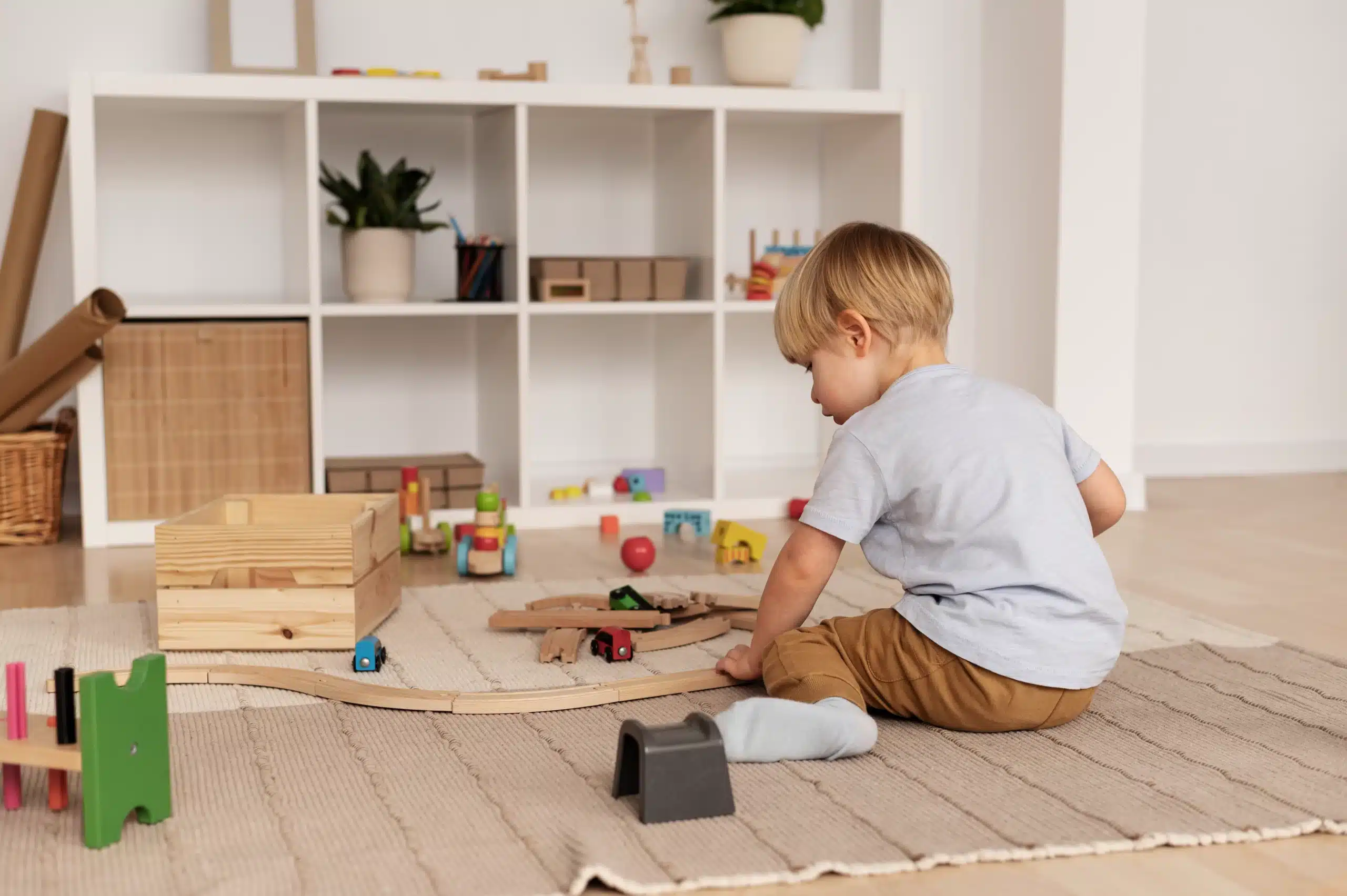
You’ll notice it during walks—that moment when your toddler crouches to study a pebble, a bug, a speck of something invisible to you. During this phase, children are magnetized by details.
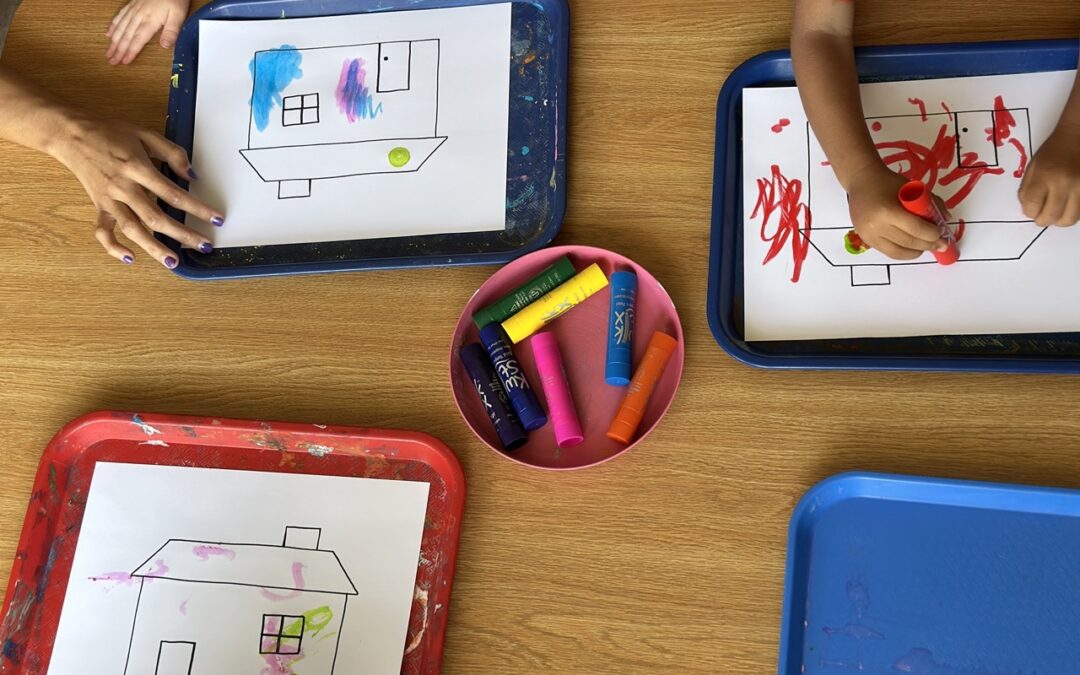
Montessori responds with materials that satisfy that curiosity: beads, tweezers, sorting trays. These activities refine fine motor skills, but they also cultivate patience. A child lost in the rhythm of threading beads isn’t “playing.” They’re strengthening focus one tiny movement at a time.
5. Social Interaction (ages 2½–6)

Suddenly, friendships and fairness matter. You’ll hear, “That’s not right,” and “She didn’t wait her turn.” This is the sensitive period for social development, and the training ground for empathy and cooperation.
In a Montessori set-up, learners are intentionally of mixed-age, so younger children observe, and older ones lead. They learn grace and courtesy not through lectures, but through daily life. You’ll see a five-year-old gently helping a three-year-old zip a coat—an act of real leadership.
If you’re thinking about joining such an environment, transitioning to Montessori in Stone Oak offers families a closer look at how these relationships shape emotional intelligence for years to come.
How Montessori Honors These Periods

Here’s the difference: Montessori doesn’t teach a child. It teaches with the child’s natural momentum.
Guides observe patterns—repetition, sudden interest, new focus—and respond in real time. The prepared environment is the silent partner in that process. Everything has a purpose, a scale, and a beauty that invites use.
Traditional classrooms often move on a fixed schedule. Everyone learns the same skill at the same time, regardless of readiness. Montessori flips that. Lessons unfold when the child is eager, not when the calendar dictates. The result is a deeper, more joyful mastery that lasts long after the sensitive period ends.
When Sensitive Periods Are Missed
Missing a sensitive period doesn’t mean a skill is lost forever—it just means it takes more effort later. Imagine learning a second language in adulthood. You can do it, but the fluency never feels as effortless.
That’s why timely support matters. Since 1983, Country Day Montessori’s guides have been trained to recognize those fleeting signs of readiness. They know the moment to step in with gentle challenge, and when to step back.
Every year, this approach produces the same quiet result: confident, capable children who love learning because it fits them.
How to Recognize and Support Sensitive Periods at Home

Here’s how families can nurture these windows of opportunity:
- Watch for repetition. If your child insists on the same activity again and again, don’t interrupt. That’s concentration building.
- Offer independence. Child-sized furniture, reachable shelves, and simple choices say, “You can do this.”
- Honor routines. Predictability helps a child feel secure enough to explore.
- Talk and listen. Use real words, describe what you see, and invite them into conversation.
- Limit distractions. A calm space supports focus.
You don’t need to reinvent your home. Just small, consistent changes that say, “I see you. I trust you.” And if you’d like to see how our classrooms nurture these stages daily, schedule a tour and experience the environment in action.
Timing Is Everything in a Child’s Journey
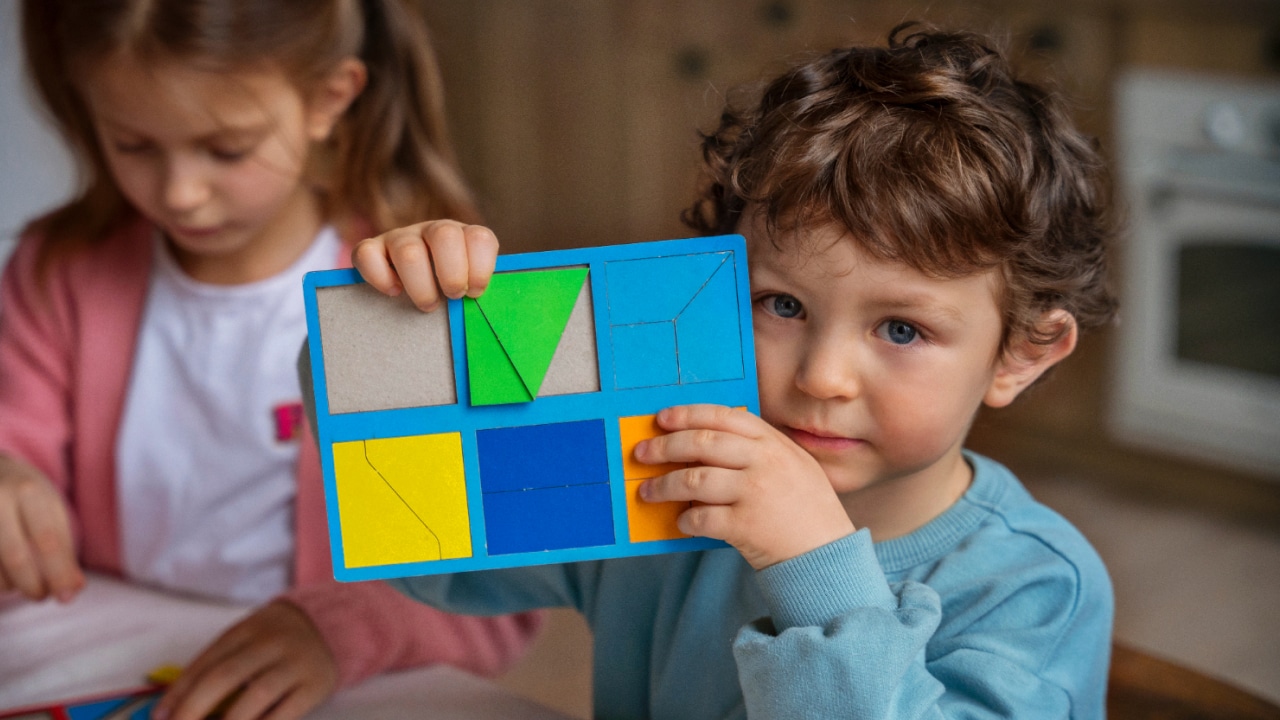
Every child follows an internal calendar, one that can’t be rushed or slowed. Sensitive periods are how nature ensures learning happens with joy, not pressure.
That’s the heart of what we do: we listen for those moments and prepare the world around them. After more than four decades in San Antonio, the results speak quietly—children who are confident, curious, and grounded.
To learn more, call our admissions team at 210-496-6033. Because when it comes to a child’s growth, timing truly is everything.
Frequently Asked Questions
How do Montessori schools prepare children for kindergarten?
Rather than push worksheets, Montessori programs build foundational skills—reading readiness, number sense, social cooperation—through hands-on materials. By the time children move into kindergarten, they’ve already practiced focus and responsibility daily.
Are sensitive periods different for children in bilingual homes?
Not really. The timing stays the same, but bilingual children may show heightened awareness of sound patterns. During the language period, offering songs, stories, and conversation in both languages helps strengthen that natural gift.
How do Montessori teachers track classroom progress?
Teachers rely on observation rather than grades. They quietly note when a child repeats a task or shows new curiosity—signs that a sensitive period is unfolding. These shape personalized lessons for each child.
What’s the best way for families to observe sensitive periods at home?
Watch for fascination and repetition. A child arranging books by size or endlessly pouring water isn’t wasting time—they’re refining focus. Support that instinct with patience and trust, knowing it’s their natural way to grow.
Have questions about Montessori in San Antonio?
Schedule a tour or visit Admissions to see openings.
Serving families in Uptown Central & Universal City