Families in Stone Oak understand that the right environment can shape a child’s future. When it comes to education, that choice feels especially important. Parents often notice when their child begins asking deeper questions, showing curiosity, or seeking new challenges beyond the familiar daycare routine.
For many parents, the idea feels both exciting and uncertain. Your child is ready to explore more but you may wonder how they’ll handle the change. The structure of daycare is familiar, predictable, and safe. Montessori, by contrast, offers freedom within boundaries and that shift can spark both curiosity and hesitation.
As a leading Montessori school near Stone Oak, we guided countless families through this very moment. We’ve seen toddlers discover confidence, preschoolers grow into quiet leaders, and parents exhale with relief as their children thrive. This guide walks you through what to expect, how to prepare, and why the transition can be one of the most rewarding choices for your family.
Why Stone Oak Families Are Making the Switch

Many families, in neighborhoods like The Club at Sonterra and Canyon Springs, are reconsidering early education. Parents want schools that teach curiosity, not just compliance. They’re looking for environments that help children learn how to think, not just what to memorize.
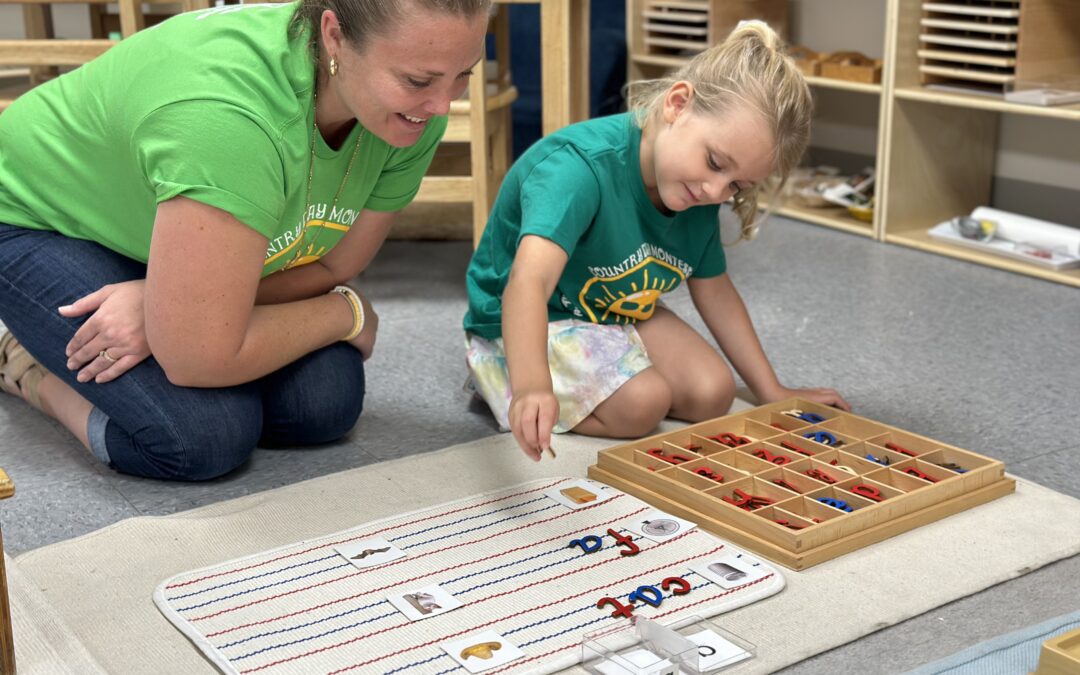
Montessori education meets that need by blending structure with independence. Children move through lessons at their own pace, guided by trained teachers who observe and support rather than dictate. This freedom, paired with responsibility, fosters self-motivation and problem-solving.
What to Expect in the First Weeks
The first few weeks after switching can feel like an emotional curve for children and parents. Most families see three key phases:
- Week 1: Exploration and Observation
Your child will take in everything: the open shelves, multi-age groups, and quiet buzz of focused activity. It’s normal if they seem reserved or slightly unsure. - Weeks 2–3: Adjustment and Connection
As routines become familiar, teachers gently guide students through boundaries. There’s freedom to choose, but clear expectations too. This stage may include moments of testing limits that are all part of learning self-regulation. - Week 4 and Beyond: Comfort and Independence
You’ll notice confidence blooming. Morning drop-offs become smoother. Children begin taking ownership of their day, showing pride in what they can do “all by myself.”
According to the American Montessori Society, this adaptive rhythm is expected. Montessori teachers watch how each child learns. They adjust their guidance to help with social and emotional growth, along with academics.
How to Prepare Your Child Before the Switch
Preparation helps smooth the path for your child’s transition. Think of it as building comfort before the first day, not with drills or lessons, but through everyday routines that build trust and independence.
Here’s how parents can make that shift easier:
- Visit the classroom together. Touring the environment with your child creates familiarity. When they walk into class on their first day, they’ll recognize the materials, the shelves, and even the sunlight coming through the windows. That sense of belonging reduces anxiety.
- Use positive language about change. Children mirror the emotions of their parents. Framing the transition as an adventure builds anticipation instead of worry.
- Encourage small independence tasks at home. Simple acts like tidying toys, feeding a pet, or putting on shoes give children confidence in their abilities. These self-care tasks show Montessori principles. They help kids join classroom routines with confidence.
- Keep home routines steady. Familiar mealtimes and consistent bedtimes help your child feel grounded amid change. Emotional stability at home makes new environments feel less overwhelming.
- Model curiosity and calm. When parents show patience, like when they ask questions, children feel safe to explore at their own pace.
Parent Mindset Matters

Families along Hardy Oak Boulevard and Evans Road often say that the biggest adjustment wasn’t their child’s; it was theirs. Montessori asks parents to trust the process: to let children struggle a little, solve problems, and discover. When parents stay calm and confident, kids absorb that energy and adapt faster.
For deeper insight into how this confidence translates into lifelong growth, read How Stone Oak Montessori Classrooms Build Young Leaders.
Age-Specific Transition Tips
Every age group experiences the switch differently. Knowing what to expect can help you support your child in the right way:
- Toddlers (18–36 months): Focus on emotional security. Bring a familiar comfort item for the first week if allowed. Teachers will build trust through consistent, gentle routines.
- Preschoolers (3–5 years): Encourage independence. Allow them to make small choices, like what to wear or which book to read, to mirror classroom autonomy. Peer modeling helps, too, so they’ll quickly learn by watching others.
- Kindergarten-Age (5–6 years): These students often blossom as helpers and mentors in mixed-age classrooms. Encourage that leadership by asking them to explain what they’ve learned each day. It deepens confidence and reinforces new concepts.
Families near Canyon Golf Road say older siblings in Montessori programs are great role models. They show how empathy and independence go hand in hand.
Teacher Support and Communication
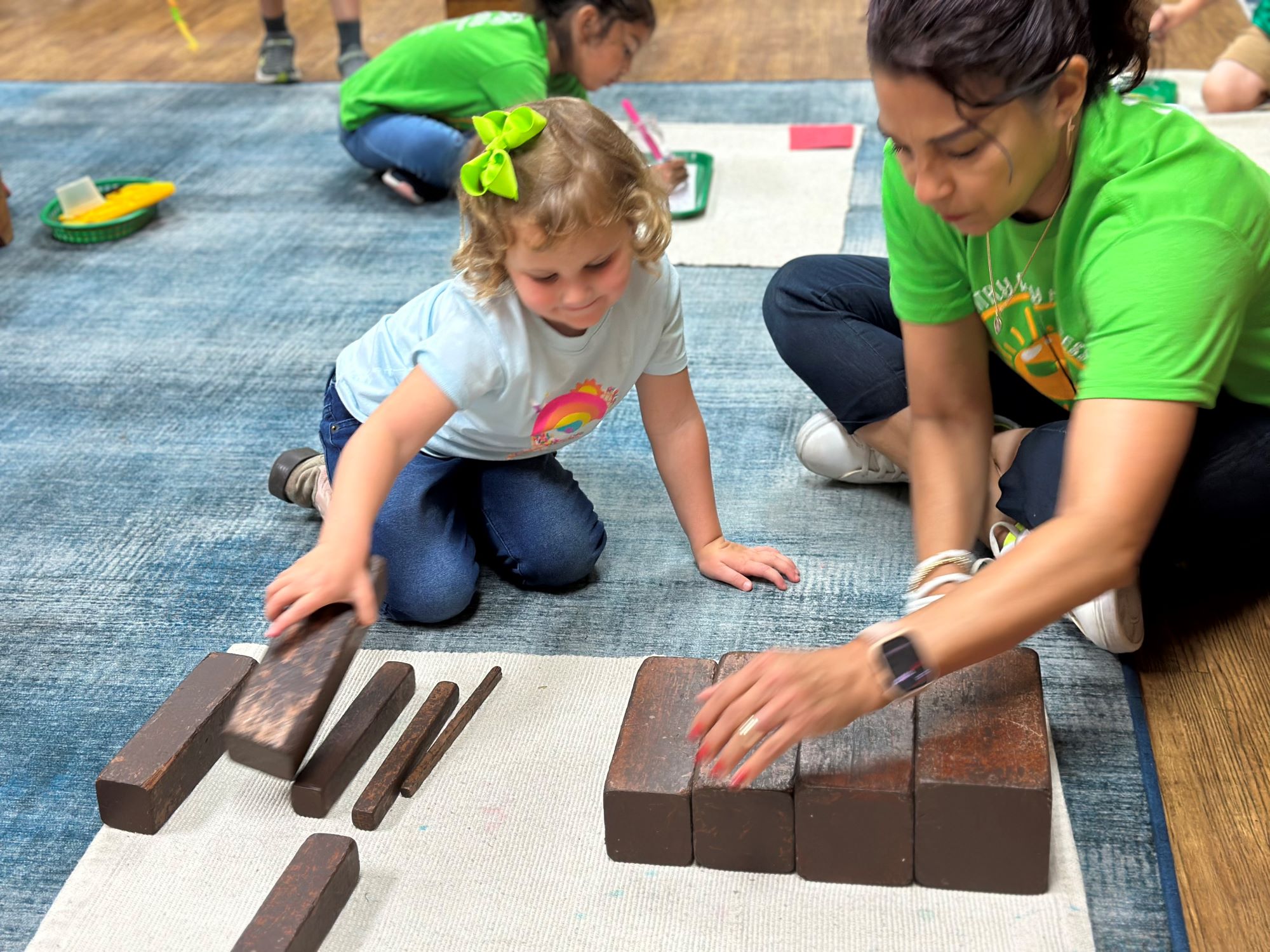
At Country Day School, transition support isn’t limited to the classroom. Every teacher observes, documents, and communicates a child’s progress to ensure parents feel included. You might receive updates through daily check-ins or short emails, especially during the first few weeks.
The school’s culture of Grace & Courtesy shapes every interaction. Teachers guide gently, recognizing that every child’s pace is unique. When a student hesitates or needs reassurance, they’re met with calm encouragement, not pressure.
This partnership extends to parents, too. Conferences and open talks build trust, and they help teachers and families celebrate milestones together. That collaboration is the cornerstone of a successful transition.
Growth, Not Disruption
Switching to Montessori isn’t a break from learning. It’s a progression toward deeper understanding. Your child won’t lose structure; they’ll gain self-direction. They won’t abandon play; they’ll discover purpose in it.
Every week brings small victories: a child learning to share space with others, to solve problems, to feel pride in their work. The change may challenge them at first, but it soon reveals how capable they truly are.
Stone Oak families often say this shift is like “watching confidence unfold.”
If you’re ready to see how your child can grow in this environment, reach out to our admissions team. Call (210) 496-6033 or schedule a tour today.
Frequently Asked Questions
What makes Montessori different from traditional preschools?
Traditional programs often follow group-led instruction. Montessori classrooms emphasize self-paced learning, hands-on materials, and mixed-age interaction. The goal is independence and joy in discovery, not competition.
Is Montessori suitable for toddlers or only preschoolers?
Montessori programs in Stone Oak, including those at Country Day School, welcome children as young as 18 months. Each age group has its own classroom designed for developmental needs, from sensory exploration to early reading and math.
How can Stone Oak parents help at home during the transition?
Encourage independence: let children help set the table, dress themselves, or care for plants. Maintain predictable routines, show patience, and talk positively about school experiences.
What should Stone Oak families know before moving their child to Montessori?
Transitioning to Montessori usually takes a few weeks. Children gradually explore the classroom, gain confidence, and develop independence within a structured environment.
Have questions about Montessori in San Antonio?
Schedule a tour or visit Admissions to see openings.
Serving families in Uptown Central & Universal City