One of the things we’ve observed from our Montessori classrooms is that leadership in children begins with small, everyday moments — helping a classmate, taking initiative, or completing a task with care. These type of experiences build confidence, empathy, and responsibility without formal lessons or rewards.
Inside our classroom, students lead and follow, learning how collaboration fosters trust and respect. The environment encourages independence and decision-making, giving them the freedom to guide their own learning while considering others.
Through this natural balance of freedom and structure, our Montessori school located in Stone Oak, San Antonio cultivates leaders who act with awareness, cooperation, and purpose — qualities that last long beyond the school years.
Why Mixed-Age Classrooms Matter for Leadership
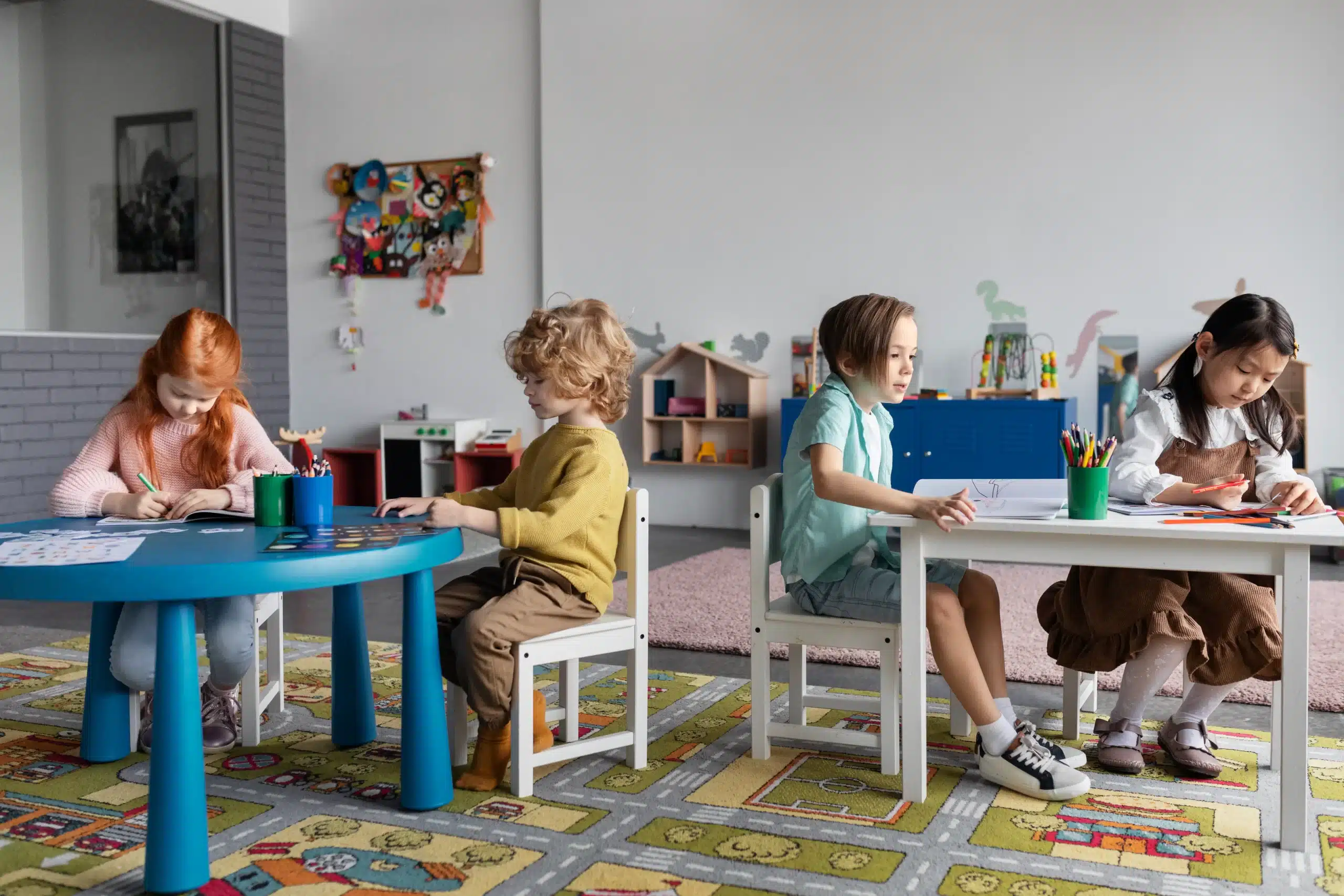
In Montessori education, students learn in multi-age groupings that span three years—typically ages three to six in the early years. Within that small window, something remarkable happens. Older children begin teaching younger ones, reinforcing their own understanding while strengthening the classroom community. Younger children, in turn, absorb lessons through observation and imitation, gaining confidence earlier than expected.
This structure creates what same-age classrooms often miss: a natural system of mentorship. Instead of clear divides between “big kids” and “little kids,” everyone learns together at a pace that fits their stage of growth. Insights from the Harvard Graduate School of Education’s EASEL Lab show that peer learning supports social-emotional growth. When students work across age levels, they practice empathy, patience, and self-regulation which lay the foundation for authentic leadership.
In Montessori classrooms, leadership doesn’t come with a title or reward. It develops quietly when a child discovers that helping others is both meaningful and empowering.
The Developmental Science Behind Peer Leadership

Lev Vygotsky, a well-known educational theorist, explained that children learn best in their “Zone of Proximal Development.” This zone includes tasks that are slightly beyond their current abilities, but with help from a more skilled peer or guide. In a mixed-age Montessori classroom, that support system is built in. The older student becomes the mentor, helping the younger one stretch toward mastery.
You can easily recognize this pattern beyond the classroom. You can see it at Stone Oak Park when siblings help each other climb on the play structure or at the sports fields off Bulverde Road where older teammates guide new players the soccer rules. These early mentoring moments strengthen self-awareness and compassion.
Montessori education naturally creates situations where children run into teaching moments, intentionally encouraging them to find their own footing when it comes to finding someone who needs help and providing it.
Inside Stone Oak’s Montessori Classrooms
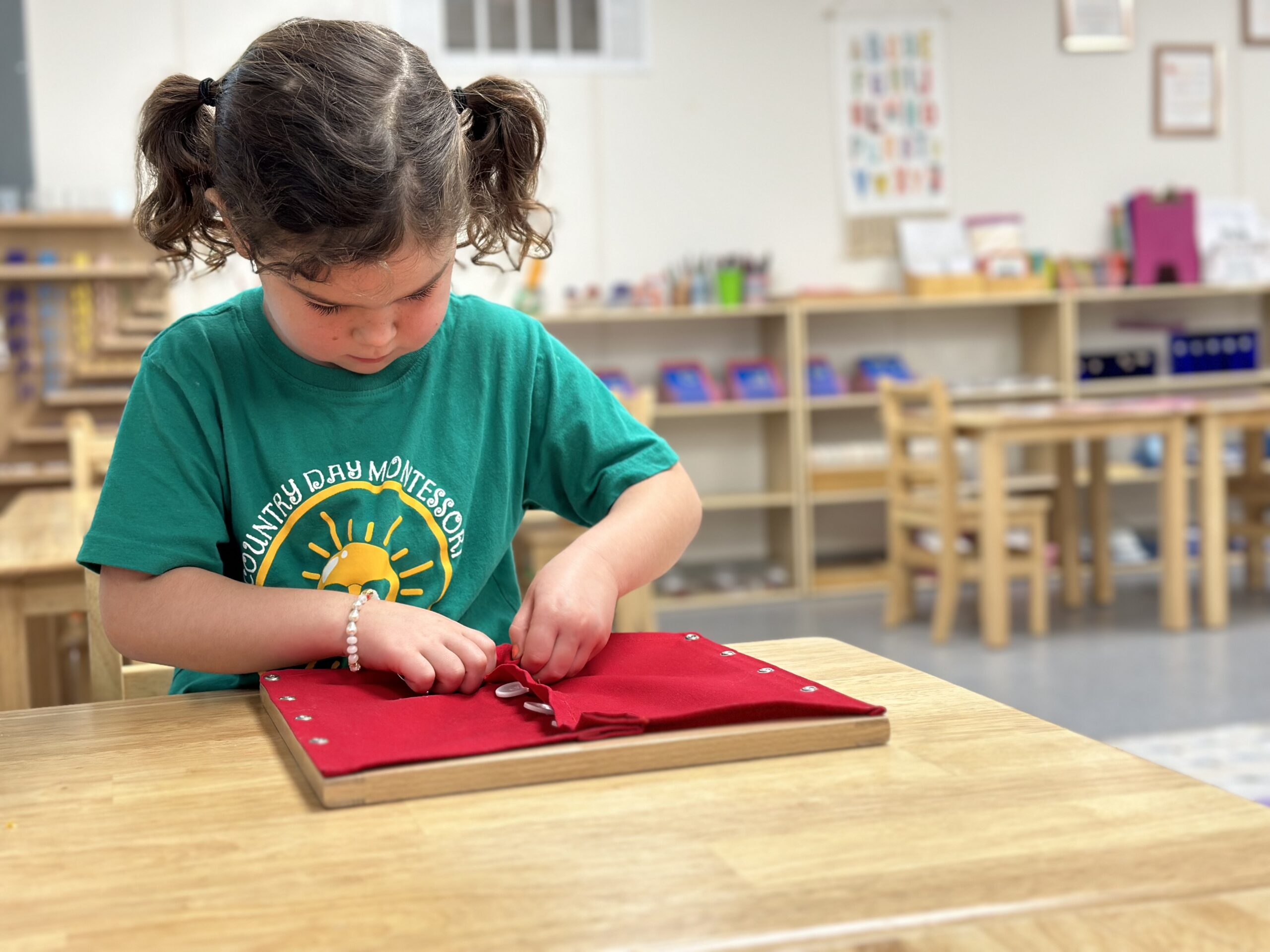
The way the environment at a Montessori school is organized encourages this type of cowork.
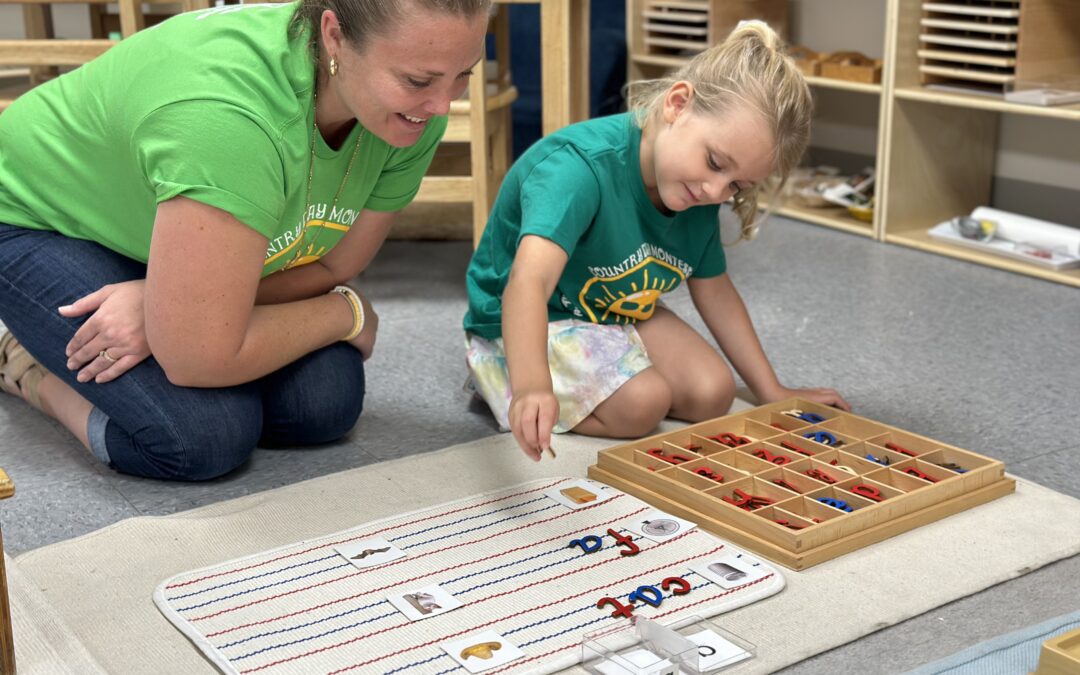
Older students naturally gravitate toward roles of guidance. A kindergartener might show a preschooler how to roll up a work mat or how to balance a tray of cups. In these moments, no one announces who’s leading; everyone simply understands their place in a shared rhythm.
As one teacher explains, “When our oldest children lead with patience, the younger ones rise to meet that example.” Parents see changes at home, too. Children who once hesitated to help now volunteer. They show the same grace and courtesy that define their classroom community.
The Three-Year Cycle: Confidence That Compounds
The three-year cycle lies at the heart of every Montessori experience. Since our mixed-age classrooms span three age groups, the three-year cycle is how we see the role of the child change in the context of their schooling. Each year they get older transforms the child’s role, deepening confidence and responsibility in measurable ways.
Year One: The Observer. Children watch, absorb, and learn the routines that keep their classroom in harmony. They are immersed in structure, discovering independence through imitation.
Year Two: The Participant. They contribute more actively. They begin taking on small responsibilities—helping clean up after group time, leading short lessons, or assisting with tasks that once seemed out of reach.
Year Three: The Mentor. The child who once observed now leads. They teach, model, and care for younger peers, gaining both pride and humility in the process. Each success reinforces self-efficacy or the belief that they can make a difference through effort and care.
Neurologically, this pattern matters. Research shows that repetition, combined with social responsibility, strengthens executive function—the cognitive skill set tied to planning, empathy, and problem-solving. When children lead, they build pathways in the brain that prepare them for real-world challenges.
It’s one reason families who explore the science behind Montessori and Brain Development often find that the method’s rhythm aligns with how the brain naturally learns. Confidence compounds because growth happens in cycles, not steps.
The Future Leaders Among Us
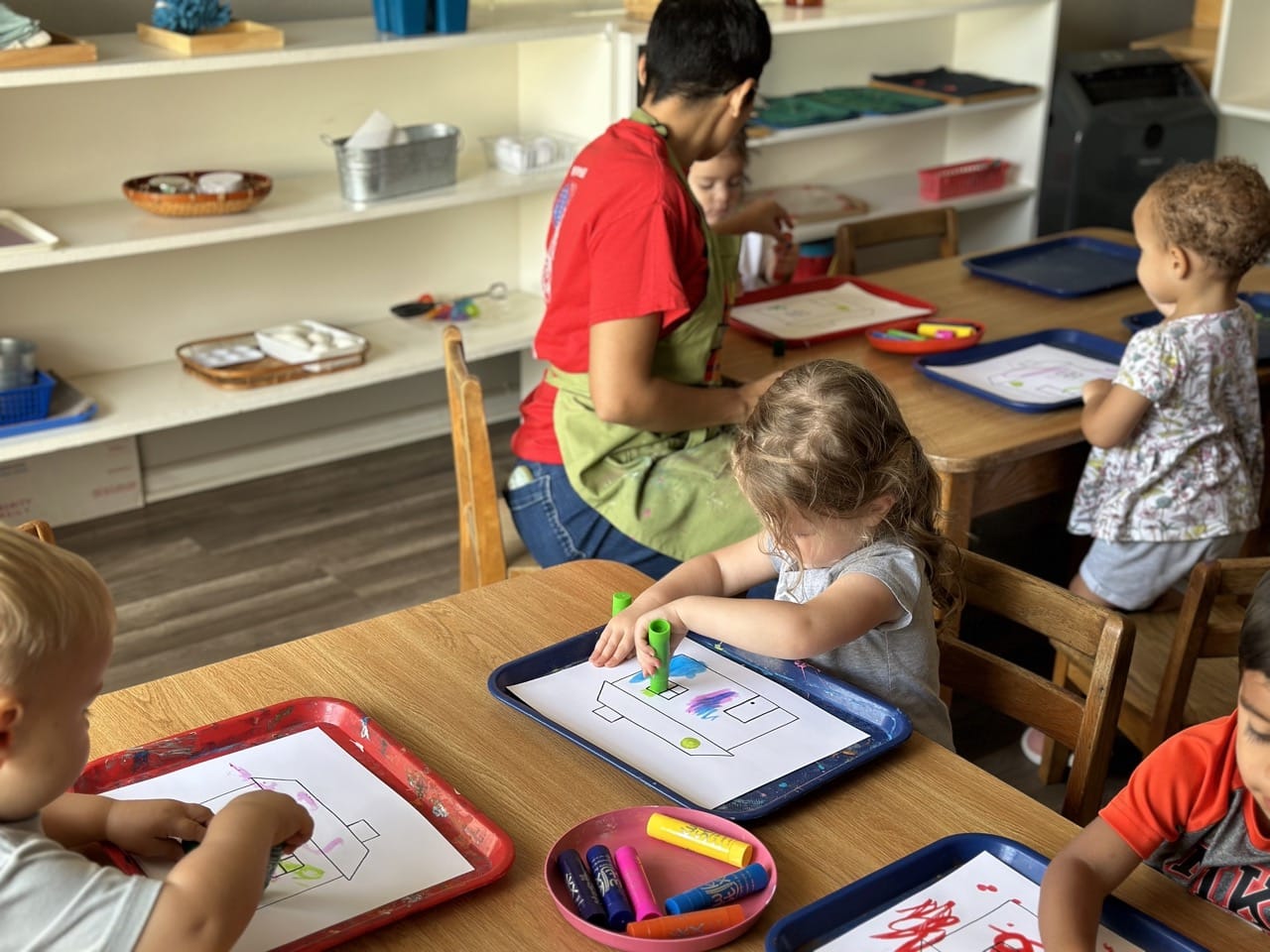
Back in that same classroom, the child who once learned to pour now helps a new student steady the pitcher. There’s a quiet exchange of focus and trust, a moment that captures everything Montessori stands for. Leadership doesn’t happen in one grand lesson. It unfolds over time—through patience, respect, and the belief that every child has something to teach.
To witness it firsthand, parents are encouraged to schedule a tour today or call 210-496-6033. Sometimes, the best way to understand how leaders are made is to see them in the making.
If you are a parent living in Stone Oak, Shavano Park, or Hollywood Park in San Antonio come by and see our classrooms for yourself!
Frequently Asked Questions
How does the three-year Montessori cycle build confidence?
Children grow from observers to mentors over three years. Each stage helps them grow and gain independence. It shows that they can succeed through effort, not by comparing themselves to others. That process turns learning into a lasting source of pride.
Does Montessori education promote social and emotional growth?
Yes. Children develop empathy, cooperation, and self-control through daily interaction with peers. These experiences help them form meaningful connections that extend well beyond school.
What age groups are included in Stone Oak’s Montessori classrooms?
Early childhood classrooms typically include children ages three to six, with each age group learning from the others. This approach encourages continuity and stability, fostering friendships and shared responsibility.
How does Montessori education develop leadership skills?
Leadership is woven into daily life. Older children model behavior for younger ones, help with tasks, and share knowledge. They practice patience, empathy, and problem-solving through these acts. These skills build a strong foundation for leadership.
Have questions about Montessori in San Antonio?
Schedule a tour or visit Admissions to see openings.
Serving families in Uptown Central & Universal City