Parents across San Antonio face an exciting yet challenging decision when choosing their child’s educational path. Traditional public schools no longer represent the only option, and many families explore alternative approaches that promise more individualized, holistic learning experiences. Two philosophies consistently capture attention: the child-centered Montessori approach in San Antonio and creative Waldorf education.
Both methods offer compelling alternatives to conventional classroom settings, yet they approach childhood development from distinctly different angles. Understanding these differences helps parents make informed choices that align with their child’s unique personality, learning style, and developmental needs.
The Montessori Foundation
Dr. Maria Montessori revolutionized education in the early 1900s through her observations of children’s natural learning patterns. Her method centers on the belief that children possess an innate desire to learn and will grow when given the right environment and freedom to explore.
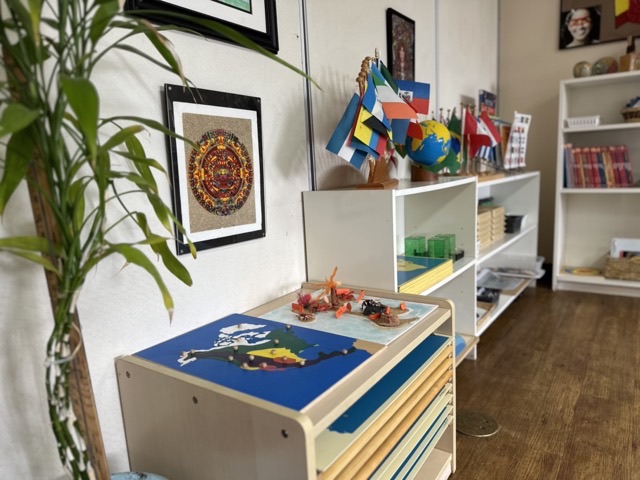
Montessori classrooms feature carefully designed spaces where children move freely between activities. Low shelves display hands-on materials that children can access independently. Mixed-age groupings allow older students to mentor younger ones, creating a natural community of learners.The prepared environment serves as the third teacher, alongside the child and the guide. Every material has a specific purpose, introducing concepts through concrete experiences before moving to abstract thinking. Children choose their work based on interest and developmental readiness, often spending extended periods concentrating on activities that capture their attention.
Understanding the differences between Montessori and traditional daycare approaches in San Antonio becomes especially important for working parents who need full-day programs. Montessori education demands consistent support for each child’s individual growth trajectory. This approach builds independence and self-direction from an early age.
The Waldorf Approach
Rudolf Steiner founded Waldorf education in 1919, emphasizing the whole child’s development through imaginative and artistic experiences. This philosophy recognizes three distinct developmental phases: early childhood (birth to 7), elementary years (7 to 14), and adolescence (14 to 21).
Waldorf classrooms feel more like home environments, featuring natural materials, soft colors, and handcrafted items. Teachers often stay with the same group of students for multiple years, building deep relationships and understanding each child’s growth patterns.
Imaginative play dominates the early years, with formal academics delayed until around age 7. Storytelling, singing, and artistic activities form the foundation of learning. Teachers present lessons through stories and imagery, appealing to children’s natural sense of wonder and creativity.
The curriculum integrates subjects rather than teaching them in isolation. A block about ancient Greece might include history stories, mathematical concepts, artistic projects, and dramatic presentations, creating rich, interconnected learning experiences.
Teaching Philosophy Differences
Independence vs Guided Discovery
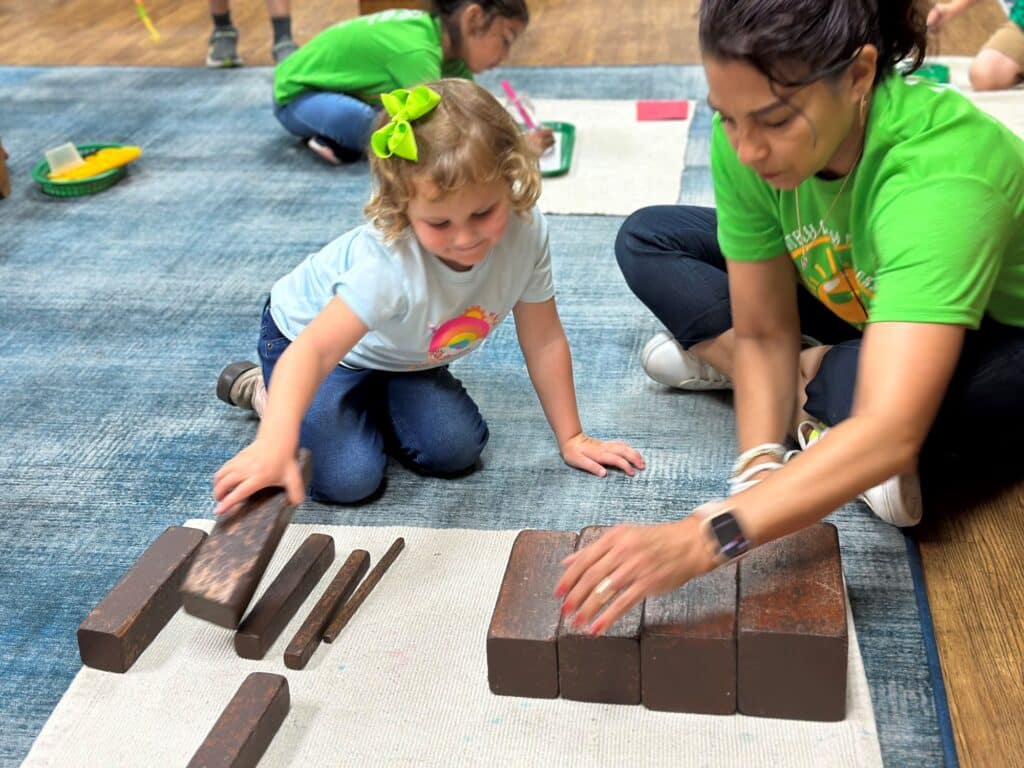
Montessori champions child independence from the earliest ages. Three-year-olds learn to prepare snacks, care for classroom plants, and choose their learning activities. This freedom operates within clear boundaries and prepared environments that support success.
Waldorf takes a more protective approach during early childhood, believing young children need adult guidance to develop properly. Teachers act as loving authorities who create rhythm and structure while nurturing imagination and creativity.
Academic Timing
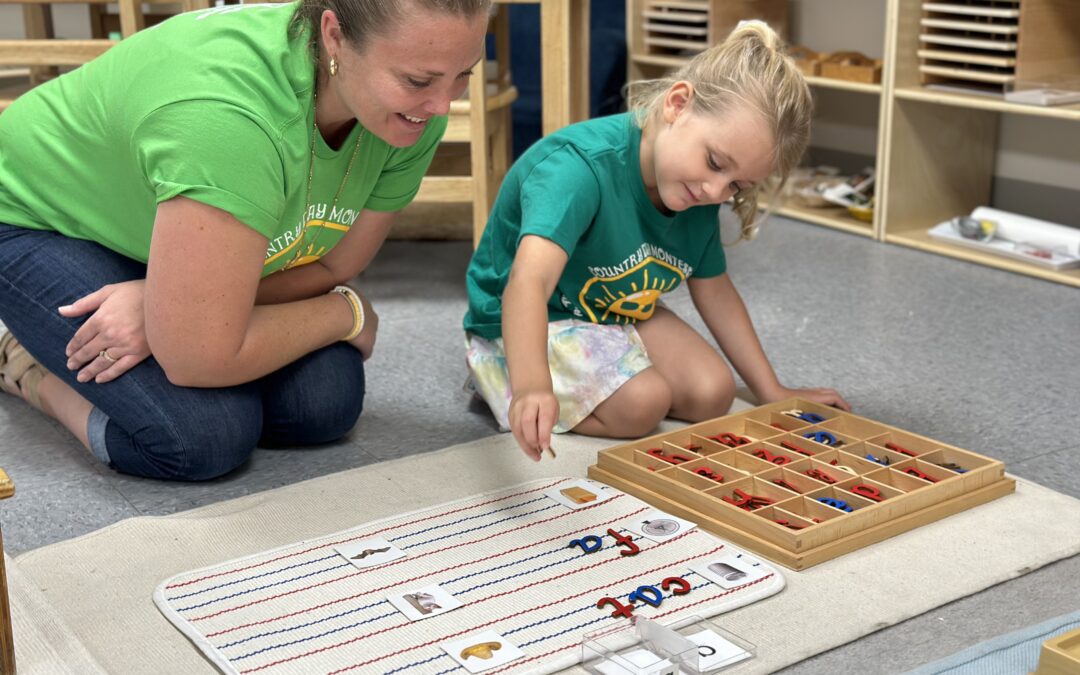
Montessori introduces academic concepts early, but through concrete, hands-on experiences. Four-year-olds might work with golden bead materials to understand place value, or trace sandpaper letters to develop writing skills.
Waldorf delays formal academics, focusing instead on developing imagination, fine motor skills, and social abilities during the early years. Reading and writing emerge naturally around age 7, when children show developmental readiness.
Curriculum Distinctions
Practical Life vs Artistic Expression
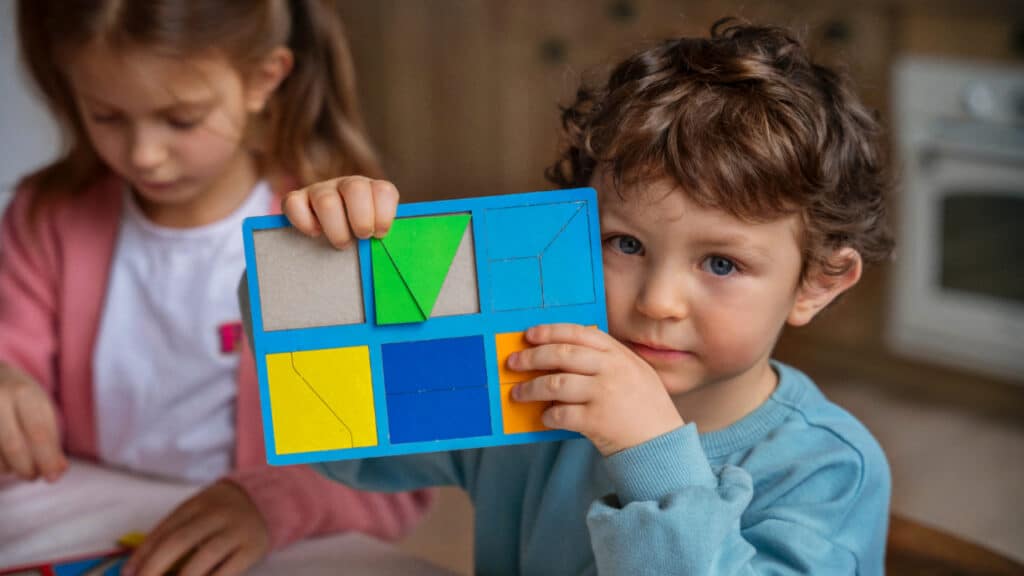
Montessori emphasizes practical life skills as the foundation for all learning. Children engage in real work like food preparation, cleaning, and care of the environment. These activities develop concentration, coordination, and independence while building confidence.
Waldorf prioritizes artistic and imaginative activities. Children might spend time kneading bread, painting with watercolors, or listening to fairy tales. These experiences nurture creativity and emotional development while building social connections.
Materials and Learning Tools
Montessori materials are scientifically designed to isolate specific concepts and allow for self-correction. The pink tower teaches size discrimination, while the red and blue rods introduce length concepts. Children can work independently and recognize their own mistakes.
Waldorf uses simpler, more open-ended materials that encourage imagination. Blocks of wood become castles, cars, or animals depending on the child’s creative vision. Natural materials like stones, shells, and silk scarves inspire various play scenarios.
Classroom Environment Contrasts

Structure and Freedom
Montessori classrooms buzz with purposeful activity as children move between chosen work. The environment supports independent decision-making within a structured framework. Rules exist to protect the community and ensure everyone can work peacefully.
Waldorf classrooms have a more rhythmic quality, with specific times for different activities. Morning circle time, main lesson blocks, and artistic activities follow predictable patterns that provide security and comfort for children.
Technology Integration
Montessori schools vary in their approach to technology, with some incorporating tablets or computers as tools for research and presentation. The focus remains on using technology purposefully rather than for entertainment.
Waldorf schools typically avoid technology in early childhood and elementary years, believing screens interfere with healthy development. Handwork, nature exploration, and direct human interaction take precedence over digital experiences.
Student Outcomes and Development

Montessori Graduates
Research shows Montessori students often develop strong self-motivation and concentration skills. They learn to work independently, solve problems creatively, and take responsibility for their learning. Many demonstrate advanced academic skills while maintaining curiosity and enthusiasm for discovery.
The mixed-age classroom structure helps Montessori students develop leadership skills and empathy. Older children naturally become mentors, while younger ones gain inspiration from observing advanced work.
Waldorf Graduates
Waldorf alumni frequently excel in creative fields and demonstrate strong social skills. The emphasis on arts integration often produces students comfortable with public speaking, collaborative work, and innovative thinking.
The delayed academic approach may concern some parents, but research suggests Waldorf students catch up quickly once formal learning begins. The strong foundation in imagination and artistic expression often translates to creative problem-solving abilities.
San Antonio Educational Landscape

San Antonio offers families access to both educational philosophies through various schools and programs. The city’s diverse population appreciates alternative approaches that honor different cultural values and learning styles.
Families in the North Central area, particularly those near the Basse Rd Soccer Fields and the busy intersection of Basse Rd and San Pedro Ave, often seek educational options that combine academic excellence with convenient access to their daily routines.
Country Day Montessori has served the San Antonio community since 1983, providing authentic Montessori education from infancy through elementary years. Their approach emphasizes academic excellence within a nurturing, child-centered environment.
Local Waldorf programs also serve families seeking arts-integrated, imagination-based education. These schools typically feature small class sizes and strong community connections that appeal to many San Antonio parents.
Making the Right Choice
Understanding Your Child
Some children thrive with the freedom and independence Montessori provides. These youngsters often show strong self-direction, enjoy hands-on learning, and benefit from choosing their own activities. They might prefer working alone or in small groups rather than large group instruction.
Other children flourish in Waldorf’s more structured, artistic environment. These students might be highly imaginative, enjoy stories and creative play, and feel most comfortable with consistent routines and adult guidance.
Family Values and Goals
Consider what matters most to your family’s educational priorities. Do you value early academic achievement and independence? Montessori might align well with these goals. Do you prioritize creativity, imagination, and emotional development? Waldorf could be the better fit.
Think about your long-term vision for your child’s education. Graduates from this program often adapt well to various educational settings due to their self-direction and academic skills. Waldorf graduates may gravitate toward creative fields or schools that value artistic expression.
Practical Considerations
Visit both types of schools in your area and observe classrooms in action. Notice how children interact with materials, teachers, and each other. Pay attention to the general atmosphere and energy level.
Ask specific questions about daily routines, assessment methods, and preparation for future schooling. Understand each school’s approach to challenges like behavioral issues, academic struggles, or social conflicts.
Consider factors like location, cost, and availability. Both educational philosophies require significant commitment from families, and practical considerations matter for long-term success.
Questions for School Visits
When touring potential schools, ask about teacher training and experience. Both Montessori and Waldorf require specialized preparation, and quality programs invest in ongoing professional development.
Inquire about class sizes and student-teacher ratios. Smaller numbers allow for more individualized attention, which benefits both educational approaches.
Understand the school’s approach to assessment and progress reporting. Some families prefer traditional grades and standardized test preparation, while others value narrative assessments and portfolio-based evaluations.
Ask about parent involvement expectations and community-building activities. Strong school communities support children’s development and create networks for families.
Finding Your Perfect Match
Both Montessori and Waldorf education offer rich, meaningful learning experiences that honor children’s natural development. Neither approach is inherently superior; they simply serve different children and families effectively.
The best educational choice connects with your child’s personality, your family’s values, and your community’s offerings. Trust your instincts after gathering information and observing your child’s responses to different environments.
Many families find their decision becomes clear after visiting schools and imagining their child in each setting. Children often provide valuable insights through their enthusiasm and comfort levels during visits.
Remember that educational choice represents just one factor in your child’s development. Loving support at home, community connections, and opportunities for growth matter tremendously regardless of school philosophy.
The journey of choosing your child’s educational path reflects your dedication to their growth and happiness. Both Montessori and Waldorf approaches respect children’s innate wisdom and potential, creating foundations for lifelong learning and personal fulfillment.
Frequently Asked Questions
How do these approaches prepare children for traditional schools later?
Montessori students often adapt well to traditional settings due to their strong self-direction, time management skills, and academic foundations. Many demonstrate advanced reading and math abilities alongside excellent problem-solving capabilities.
Waldorf graduates may need an adjustment period if switching to traditional schools, particularly if the change occurs during elementary years. However, their creativity, critical thinking skills, and strong social abilities often help them excel once they adapt to different expectations.
Which method works better for children with learning differences in San Antonio?
Both approaches can accommodate children with learning differences, but in different ways. Montessori's individualized pace and hands-on materials often benefit children with attention challenges or those who learn better through movement and manipulation.
Waldorf's arts-integrated approach and delayed academics can help children who need more time to develop readiness skills. The rhythm and routine provide security for children who struggle with transitions or anxiety.
Are Montessori and Waldorf schools more expensive than traditional schools?
Private Montessori and Waldorf schools in San Antonio typically cost more than public schools but may be comparable to other private institutions. Tuition varies significantly based on location, facilities, and program offerings. Some public schools now offer Montessori or Waldorf-inspired programs at no additional cost.
Consider the long-term value of smaller class sizes, specialized teacher training, and individualized attention when comparing costs. Many families find the investment worthwhile for the educational benefits and community connections.
Can children switch between Montessori and Waldorf schools?
Children can transition between different educational approaches, though some adjustment period is normal. Moving from Montessori to Waldorf might require adapting to more structured routines and group activities. Switching from Waldorf to Montessori could involve learning to make more independent choices and work with specific materials.
The best timing for transitions often depends on the individual child's personality and developmental stage. Discuss any planned changes with teachers from both schools to create the smoothest possible experience.
Ready to Explore Montessori Education in San Antonio?
Choosing the right educational path for your child deserves careful consideration and firsthand experience. If the Montessori approach resonates with your family’s values and your child’s learning style, we invite you to see authentic Montessori education in action.
Schedule a personalized tour to observe our mixed-age classrooms, meet our certified guides, and watch children engage with hands-on materials in our prepared environment. You’ll discover how our approach fosters independence, builds confidence, and nurtures each child’s natural love of learning.
Contact us today at (210) 496-6033 or visit our campus at 4194 Jung Road to learn more about our programs from infants through elementary. Let us answer your questions and help you determine if Montessori education is the perfect fit for your child’s unique journey.
Your child’s educational adventure begins with a single step. Take that step with confidence, knowing you’re exploring an approach that has helped children thrive for over a century.
Have questions about Montessori in San Antonio?
Schedule a tour or visit Admissions to see openings.
Serving families in Uptown Central & Universal City