Choosing daycare for your child ranks among the most personal decisions San Antonio parents face. With neighborhoods like Stone Oak and Alamo Heights offering diverse educational options, the choice between Montessori and traditional daycare can feel overwhelming.The decision goes beyond simple childcare. It shapes how your little one learns, plays, and develops during those formative early years. Understanding the fundamental differences between these approaches helps parents make informed choices that align with their child’s unique personality and family values. Additionally, practical tips from a Montessori daycare expert in San Antonio can help parents apply these proven methods at home, extending the benefits beyond daycare hours.
What Makes Montessori Daycare Different?
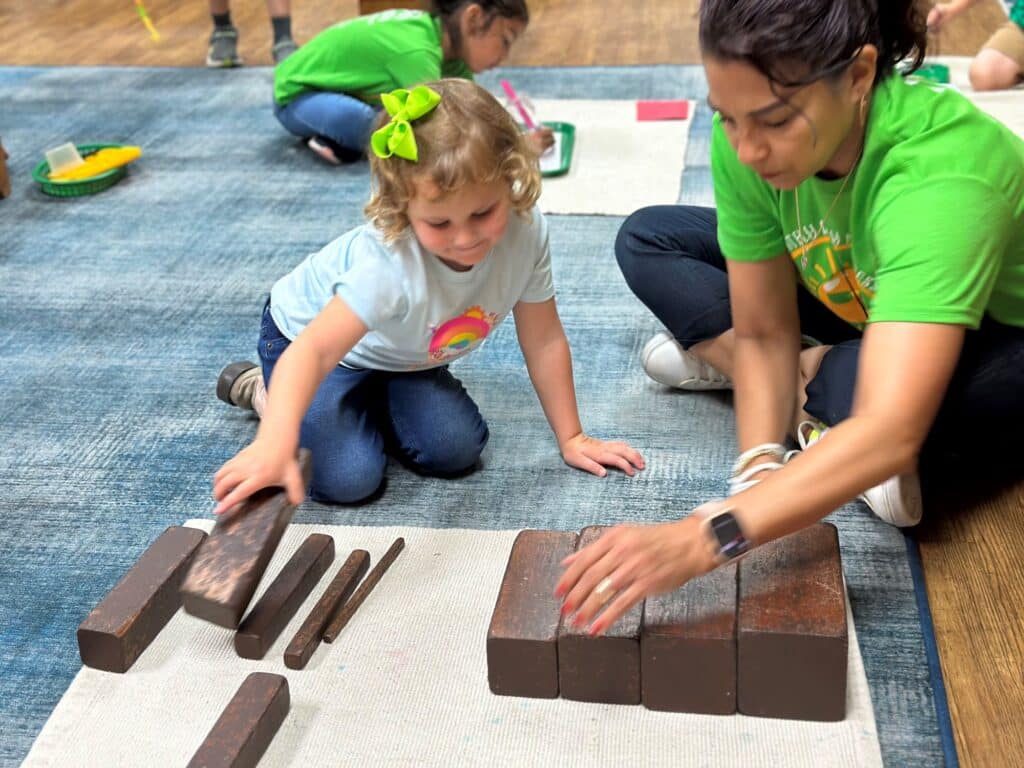
Dr. Maria Montessori revolutionized early childhood education over a century ago with a simple yet profound observation: children learn best when they direct their own exploration. This philosophy forms the foundation of every authentic Montessori program.
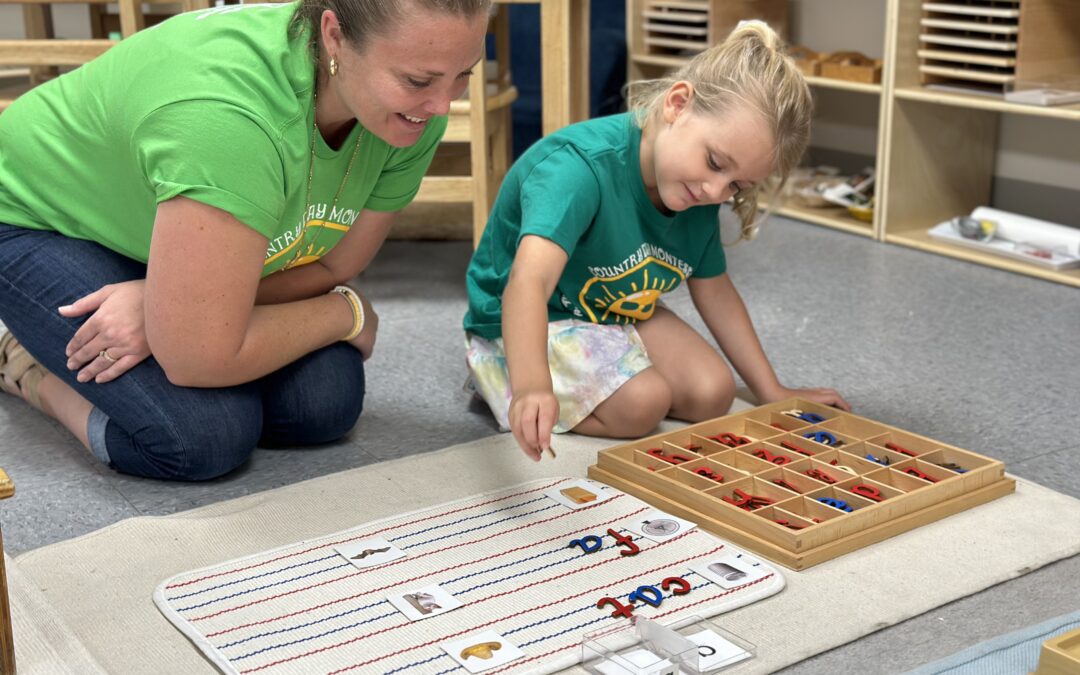
In a Montessori daycare, independence takes center stage. Three-year-olds pour their own water and prepare snacks. Four-year-olds choose between math materials and practical life activities. Five-year-olds mentor younger classmates while mastering reading skills.
The environment itself teaches. Carefully arranged shelves display beautiful, purposeful materials within easy reach. Children move freely between activities, working at their own pace rather than following rigid schedules. Mixed-age classrooms create natural mentoring opportunities where older children develop leadership skills while younger ones gain confidence through observation.
Many parents find that extending Montessori principles beyond the classroom in San Antonio enhances their child’s development at home as well.
This child-led approach fosters intrinsic motivation. Rather than external rewards or adult direction driving learning, children discover the joy of mastering new skills through their own choices and efforts.
Key Differences That Matter to Parents
Learning Philosophy
Montessori daycare trusts children to be natural learners. A four-year-old might spend an entire morning perfecting the pink tower, building concentration and spatial awareness through repetition and self-correction. The teacher observes quietly, intervening only when needed.
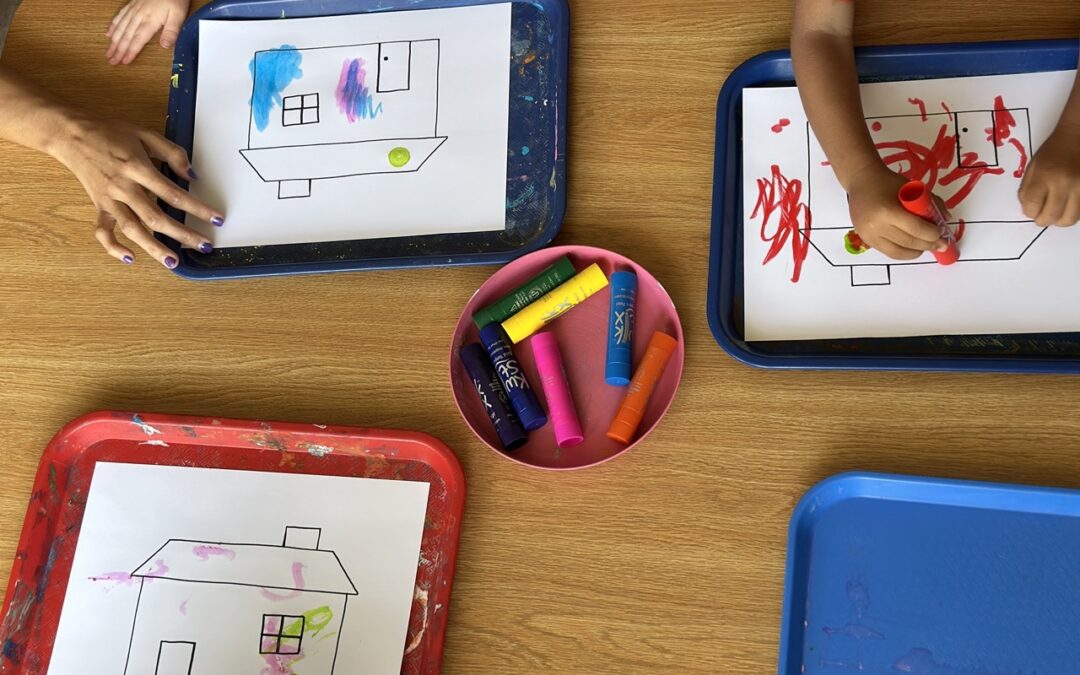
Traditional daycare structures learning more directly. Teachers present information, demonstrate activities, and guide children through prescribed steps. Everyone paints the same butterfly craft or practices writing the letter “B” during designated times.
Teacher Interactions
Guides observe before acting. They watch children work, noting interests and challenges. Lessons come individually or in small groups based on each child’s readiness. Questions like “What do you think would happen if…” encourage problem-solving.
Traditional teachers direct activities more actively. They explain instructions, provide examples, and help children complete tasks successfully. Group management and ensuring everyone participates safely take priority.
Daily Structure
A Montessori day flows around long work periods. Children might spend two hours engaged in self-chosen activities, developing deep concentration and satisfaction in completing meaningful work. Meals and outdoor time happen naturally within this rhythm.
Traditional schedules divide days into distinct segments. Fifteen minutes for puzzles, thirty minutes for gross motor play, and twenty minutes for art. Transitions happen regularly as children move between activities and locations.
Environment Design
Montessori classrooms feel calm and organized. Natural materials like wood and glass create beauty alongside function. Everything has a specific place, and children learn to maintain order through daily practices.
Traditional daycare environments often burst with color and stimulation. Bulletin boards display themed decorations, plastic toys fill bins, and activity centers offer variety and excitement.
Why San Antonio Families Choose Montessori
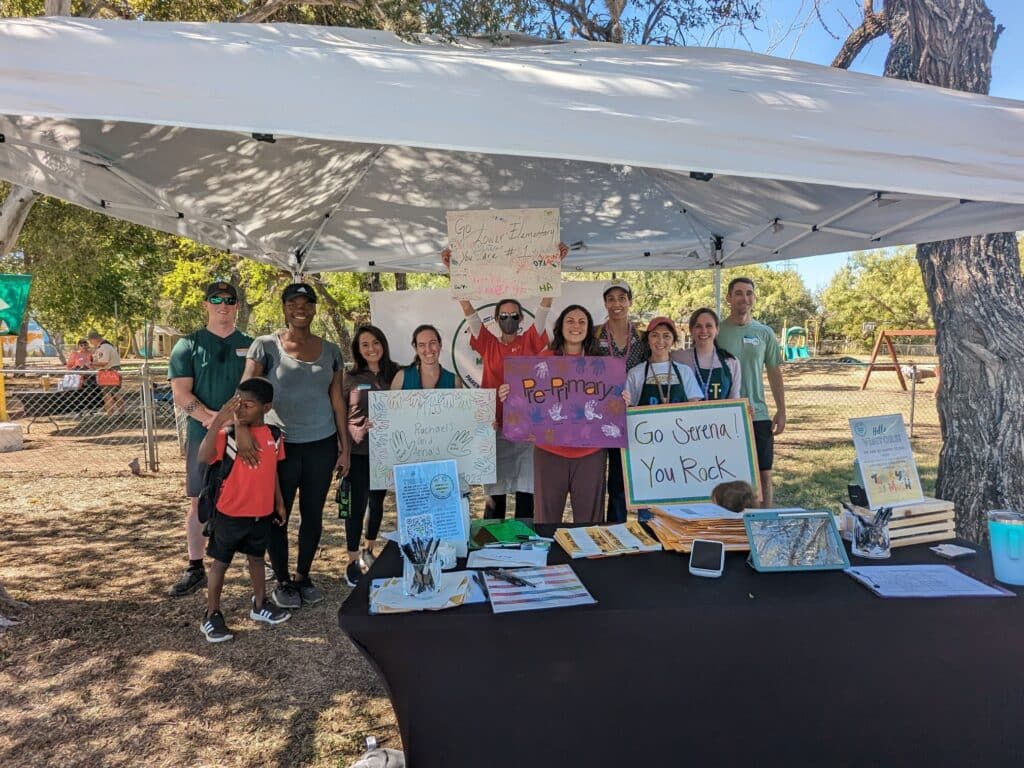
Independence develops naturally in Montessori settings. Children learn practical life skills that traditional daycare might overlook. They prepare their own snacks, clean up spills, and care for classroom plants. These abilities translate into confident, capable children at home.
Individual learning styles flourish when children choose their own activities. The kinesthetic learner gravitates toward hands-on math materials. The visual learner explores geography through colorful maps. The quiet observer works peacefully with sensory materials while energetic peers engage in group activities.
Problem-solving skills are strengthened through natural consequences rather than adult intervention. When the water spills during pouring practice, children clean it up themselves. When conflicts arise during play, they practice peaceful resolution techniques.
Research supports these benefits. Studies show Montessori students demonstrate higher levels of creativity, social skills, and academic achievement compared to traditional program graduates.
When Traditional Daycare Serves Families Better
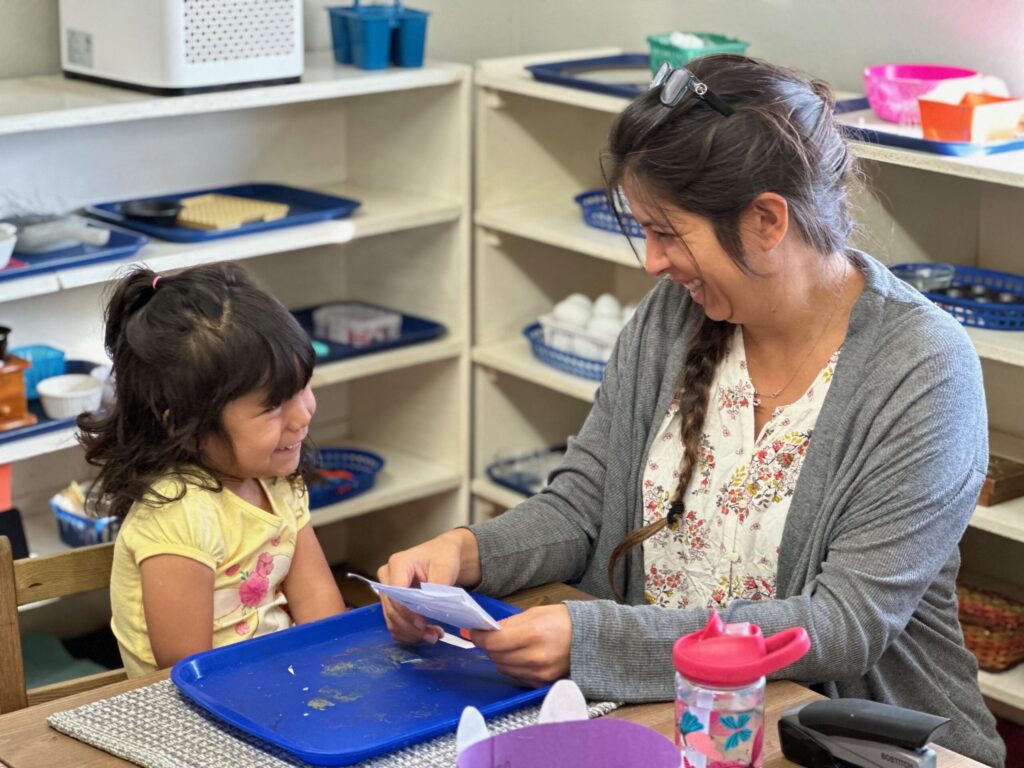
Structure appeals to many families and children. Some kids thrive with clear expectations and predictable routines. Knowing that snack happens at 9:30 and story time starts at 11:00 creates security for children who benefit from external organization.
Group instruction prepares children for conventional elementary school expectations. Learning to sit quietly during lessons, raise hands to speak, and follow teacher directions eases the eventual school adjustment.
Cost considerations matter to San Antonio families. Traditional daycare often costs less than Montessori programs, making quality childcare more accessible. Many excellent traditional centers throughout the city provide nurturing care within family budgets.
Availability also influences decisions. Traditional daycares outnumber Montessori options in most San Antonio neighborhoods, giving parents more choices closer to home or work.
Finding Quality Programs in San Antonio
Stone Oak families often discover several Montessori and traditional options within reasonable driving distance. North Central neighborhoods, particularly around the Basse Rd and San Pedro Ave intersection, offer convenient access to diverse educational choices. Families living near landmarks like the Basse Rd Soccer Fields find multiple quality programs within a short commute, while areas like Alamo Heights provide established programs with strong community reputations.
Country Day Montessori exemplifies how authentic Montessori education adapts to local family needs while maintaining core principles. Their mixed-age classrooms and child-led learning environment reflect Dr. Montessori’s original vision.
Research goes beyond location and cost. Visiting programs during regular hours reveals the classroom atmosphere and teaching quality. Notice how teachers interact with children, whether materials appear purposeful or random, and if children seem engaged or restless.
Making the Right Choice for Your Child
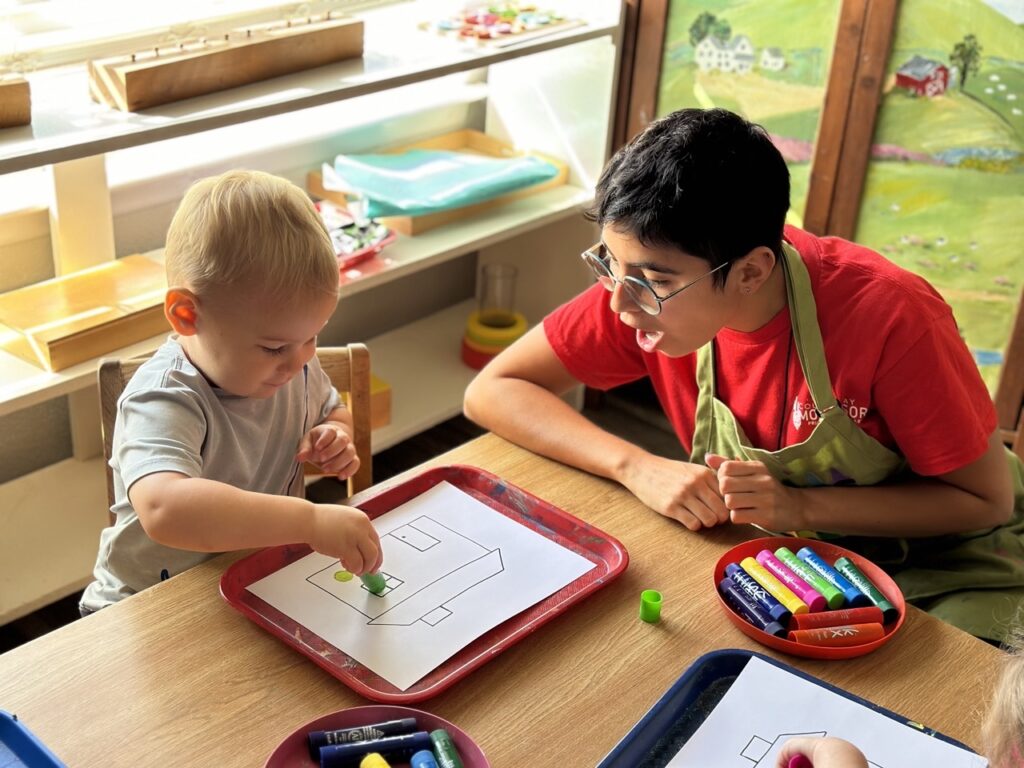
Personality matters more than philosophy. Some children crave structure and clear expectations. Others wilt under too much direction and need freedom to explore interests deeply. Watch how your child responds to choices versus directions at home.
Family values also guide decisions. Parents who prioritize independence and self-direction often appreciate Montessori approaches. Families who value preparation for conventional schooling might prefer a traditional structure.
Neither approach guarantees success or failure. Excellent programs of both types nurture happy, confident children. Poor programs disappoint regardless of educational philosophy.
Consider your child’s age and developmental stage. Very young children often benefit from Montessori’s emphasis on practical life skills and independence. Older preschoolers might thrive in either environment, depending on individual temperament.
Questions to Ask During Visits
How do teachers handle conflicts between children? Look for approaches that teach problem-solving rather than simply removing problems.
What training do staff members receive? Montessori programs should employ certified guides, while traditional centers benefit from early childhood education backgrounds.
How do children spend their time? Whether structured or child-led, activities should appear purposeful rather than simply keeping children busy.
What happens when children finish activities early or need more time? Flexibility indicates respect for individual learning differences.
How do teachers communicate with families? Regular updates and observations help parents support learning at home.
Moving Forward with Confidence
San Antonio offers wonderful daycare options for families willing to research thoroughly. Both Montessori and traditional approaches produce happy, successful children when implemented thoughtfully.
Visit programs that interest you. Observe teachers and children interacting naturally. Ask questions about daily routines, discipline approaches, and communication with families.
Trust your instincts about fit between your child’s personality and each program’s atmosphere. The “best” daycare is the one where your specific child thrives, learns, and develops confidence for future adventures.
Schedule visits to experience these differences firsthand. Your child’s bright future starts with the right early learning environment.
Frequently Asked Questions
How do I know if my child is ready for the independence that Montessori requires?
Every child develops readiness differently. Signs include showing interest in doing tasks independently, being able to concentrate on activities for short periods, and demonstrating basic communication skills. Montessori teachers are skilled at meeting children where they are and gradually building independence over time.
Will my child be behind if they switch from Montessori to traditional school later?
Research consistently shows that Montessori students adapt well to traditional schools and often outperform their peers academically. The independence, problem-solving skills, and love of learning developed in Montessori programs serve children well in any educational environment.
Can children with special needs succeed in Montessori daycare?
Montessori's individualized approach often works beautifully for children with different learning needs. The multi-sensory materials, self-paced learning, and emphasis on following the child naturally accommodate various learning styles. However, children requiring intensive support services might benefit from programs specifically designed for special needs.
Ready to Explore San Antonio’s Best Daycare Options?
Choosing between Montessori and traditional daycare represents just the beginning of your child’s educational journey. The right program will nurture your little one’s natural curiosity while building confidence for future learning adventures.
Take the next step by scheduling tours with Country Day Montessori at the programs that caught your attention. Observe classrooms in action, meet teachers, and imagine your child thriving in each environment. Most importantly, trust your instincts about where your child will grow, learn, and develop their unique potential.
Your child deserves a daycare experience that celebrates who they are while preparing them for who they’re becoming. Start your search today and discover the perfect fit for your family’s needs.
Have questions about Montessori in San Antonio?
Schedule a tour or visit Admissions to see openings.
Serving families in Uptown Central & Universal City