Parents often ask, “How do I bring a little of that Montessori calm into our home?” It’s a good question—and a surprisingly practical one. You don’t need a designer nursery or a Pinterest-perfect playroom. What you really need is intention: a space that says to your child, “You belong here.” In a typical neighborhood, that might mean rearranging what you already have, lowering a shelf, or giving your child a drawer that’s fully theirs.
Stone Oak Montessori classrooms—like those your child may know—work because everything is sized for children and built around respect. That same principle translates beautifully to home life. When children can reach their things, move safely, and make real choices, they don’t just “help out.” They grow confident, capable, and centered. And the best part: you can start this transformation today.
The Montessori Home Mindset
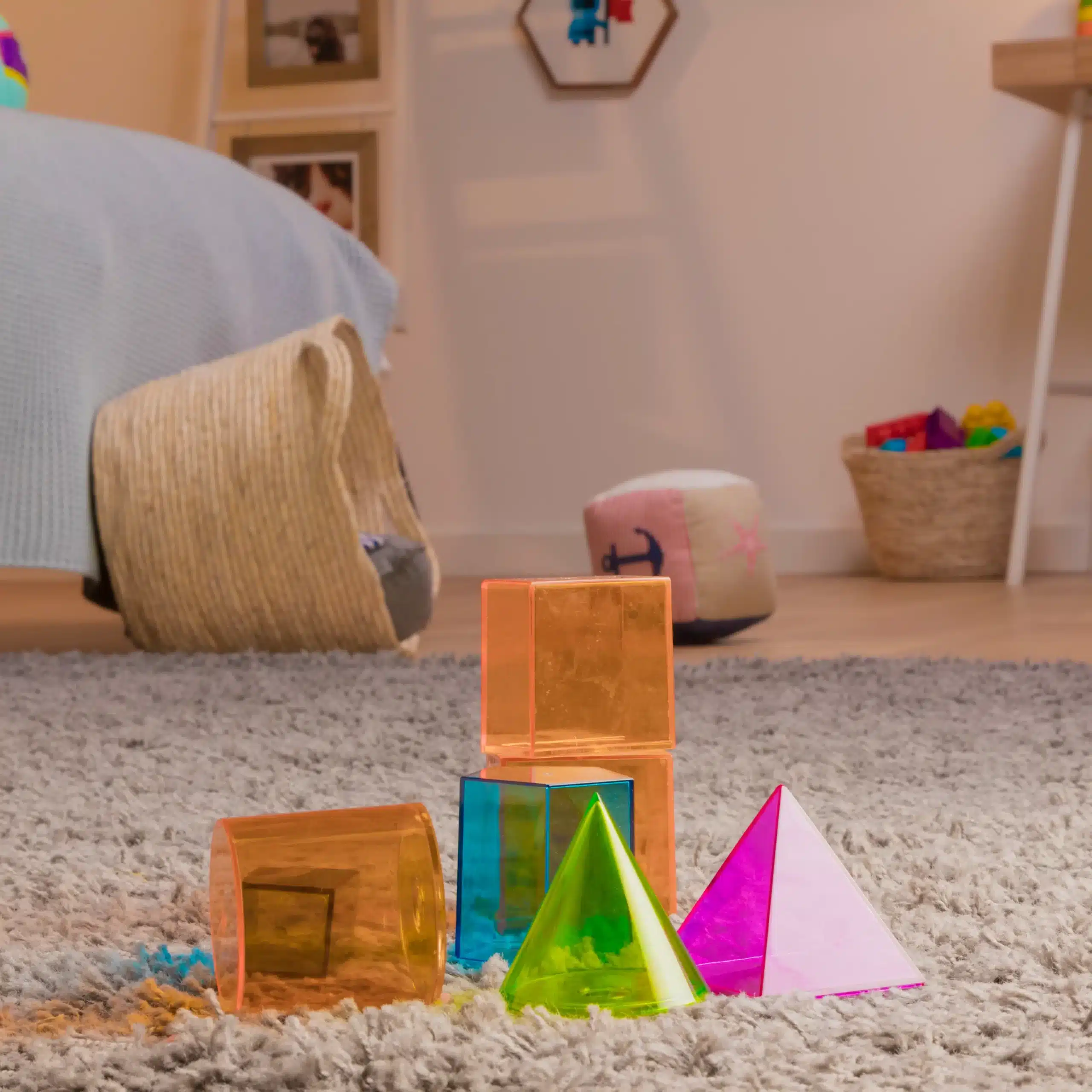
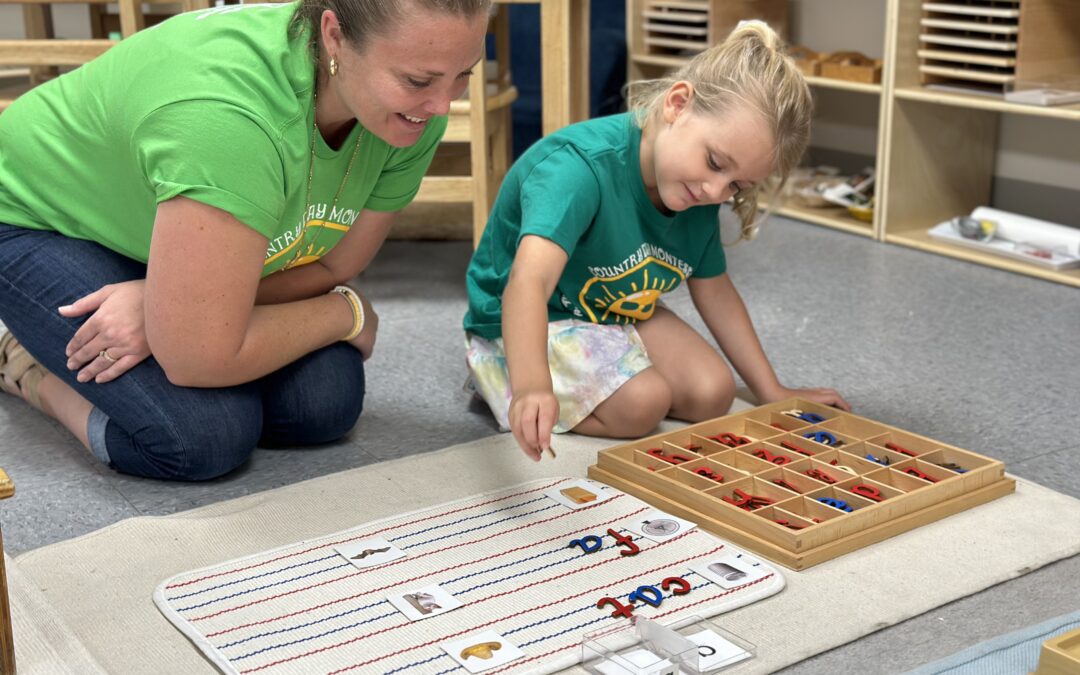
Before you pull out the toolbox, pause. The goal isn’t to redecorate but to rethink. Montessori education revolves around the “prepared environment,” where everything has a purpose and the child moves with calm independence. You’ll notice this in a true classroom: materials arranged neatly on open shelves, soft light, quiet corners that invite focus.
That’s something you can recreate at home, starting with three ideas: accessibility, order, and independence. Each supports the other. A child who can reach what they need feels empowered while a tidy, predictable layout helps them focus. And when they can act independently, they begin to trust themselves.
According to child development research from the Centers for Disease Control and Prevention, children who engage in manageable, age-appropriate tasks at home build stronger self-regulation and confidence. In Montessori terms, that means every reachable hook or low shelf is doing quiet work of teaching your child self-mastery.
The Kitchen as Everyday Independence
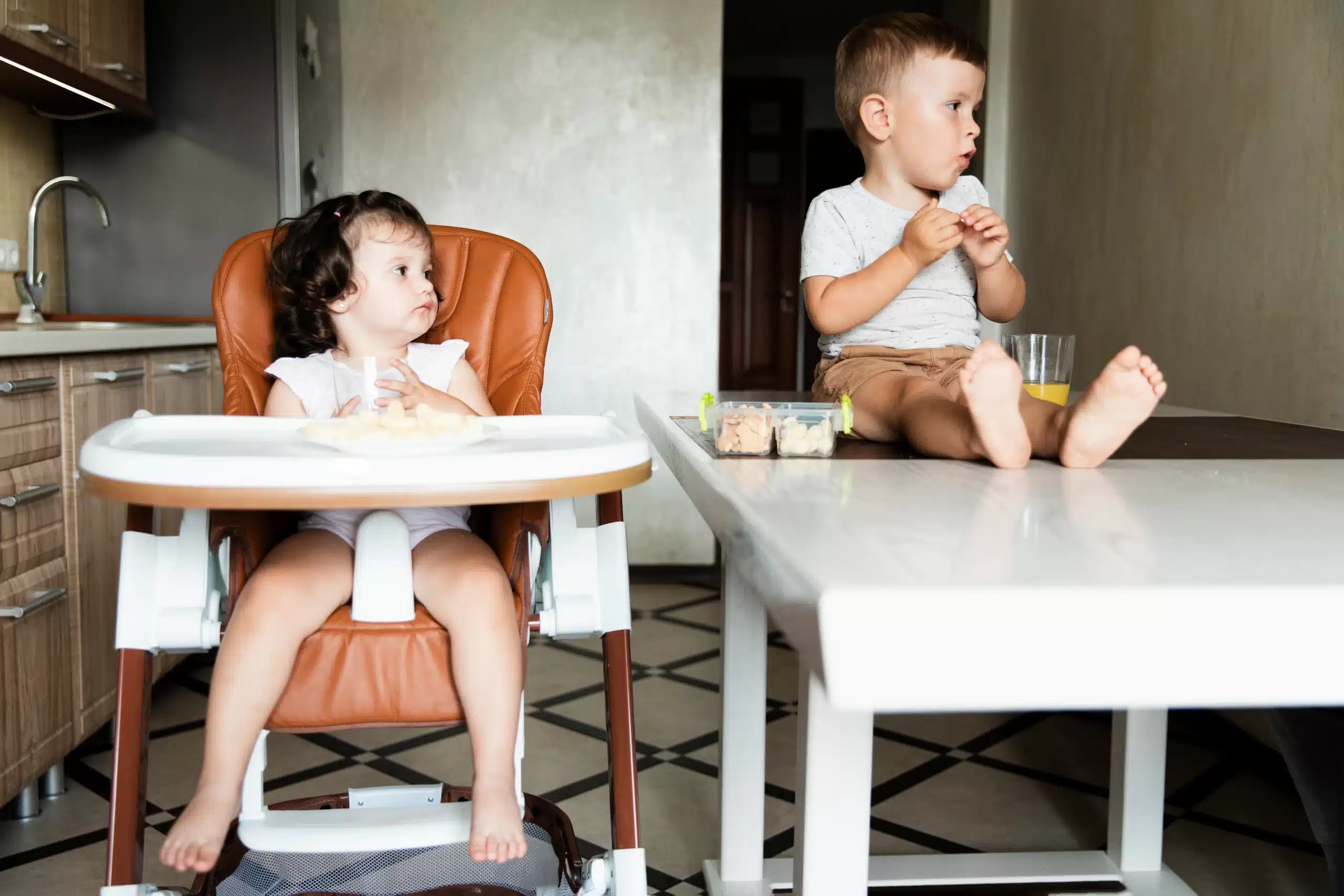
If there’s one room where Montessori magic feels most tangible, it’s the kitchen. Here, your child can experience real work: pouring, wiping, stirring, serving. The key is accessibility.
In many Stone Oak homes near Huebner Rd and Sunset Meadows, kitchens tend to be bright and open but adult-scaled—counters high, drawers deep. No problem. Dedicate one low drawer or cabinet for your child’s essentials: small cups, unbreakable plates, and a napkin or two. Add a low step stool near the sink so they can wash fruit or fill their own water glass.
Create a snack station on a reachable surface, such as a low side table, with small containers of healthy options. Transparent jars, labeled simply, encourage choice and accountability. Wooden spoons, child-sized whisks, and real cloth towels make the work feel “grown-up.”
You don’t need a mini kitchen. Just a place where your child feels trusted. In Montessori, practical life isn’t busywork; it’s education in motion. Every spill is a lesson in grace and perseverance.
The Bedroom as a Space to Rest and Grow
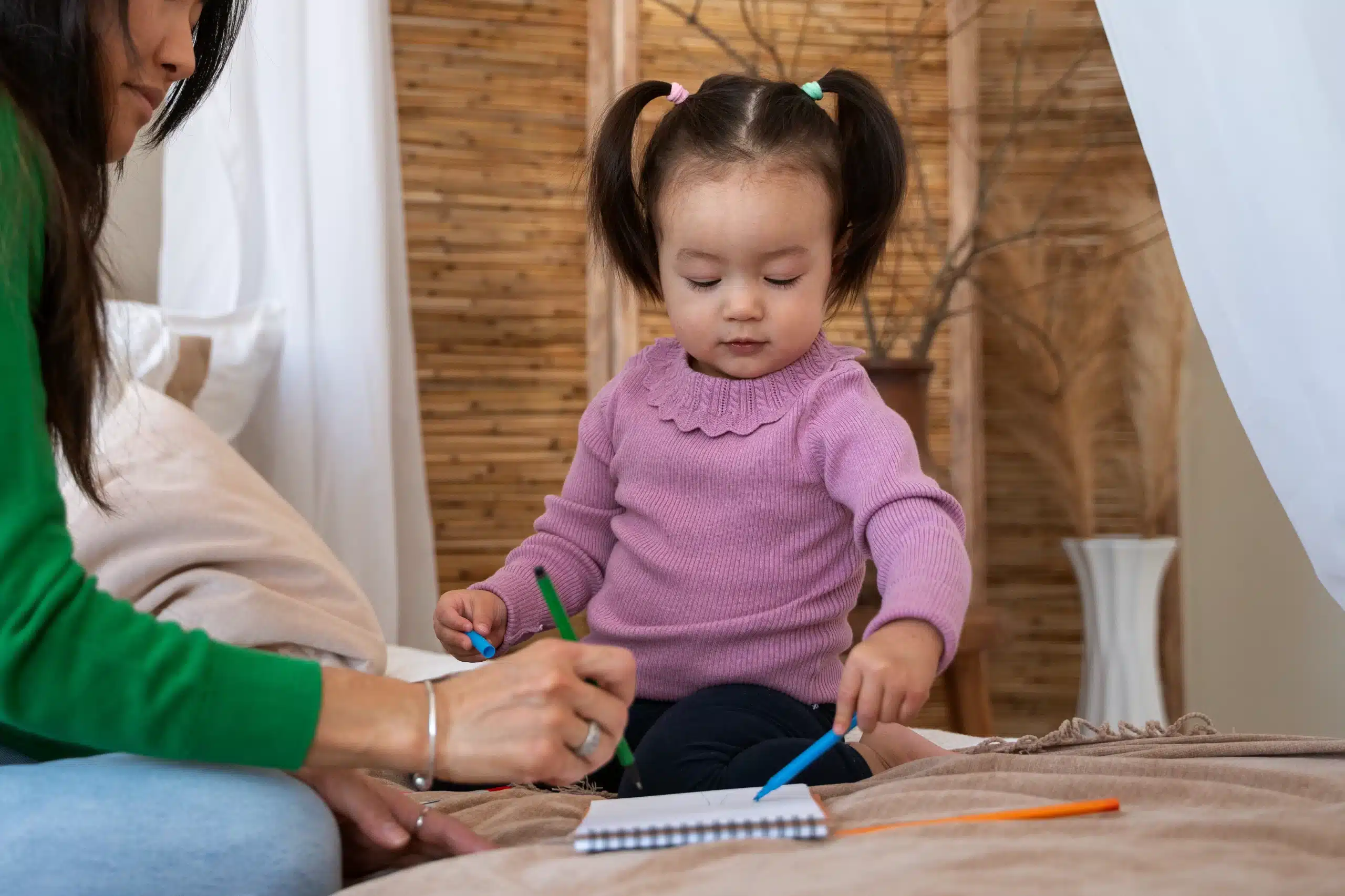
A Montessori-inspired bedroom isn’t about decorating. It’s about freedom within comfort.
Start with the bed. A simple floor mattress or low frame lets even toddlers climb in and out safely. Nearby, a small shelf or basket for bedtime books signals routine and choice. Replace towering dressers with a low rack or half-height wardrobe so your child can select their outfit each morning. It’s a small shift, but it changes the tone of the day: less “Let’s get ready!” and more “You’re capable of getting ready.”
For families near Heather Creek, where rooms may be modest but filled with warmth and natural light, this approach fits easily. You don’t need more space, just better flow. Keep toys and clutter to a minimum; soft rugs and muted colors invite calm. Even a single accessible drawer fosters autonomy.
Parents often find that when they step back, children step up. It’s the kind of quiet miracle Montessori teachers see every day.
The Play Area as a Purposeful, Calm, and Creative Space
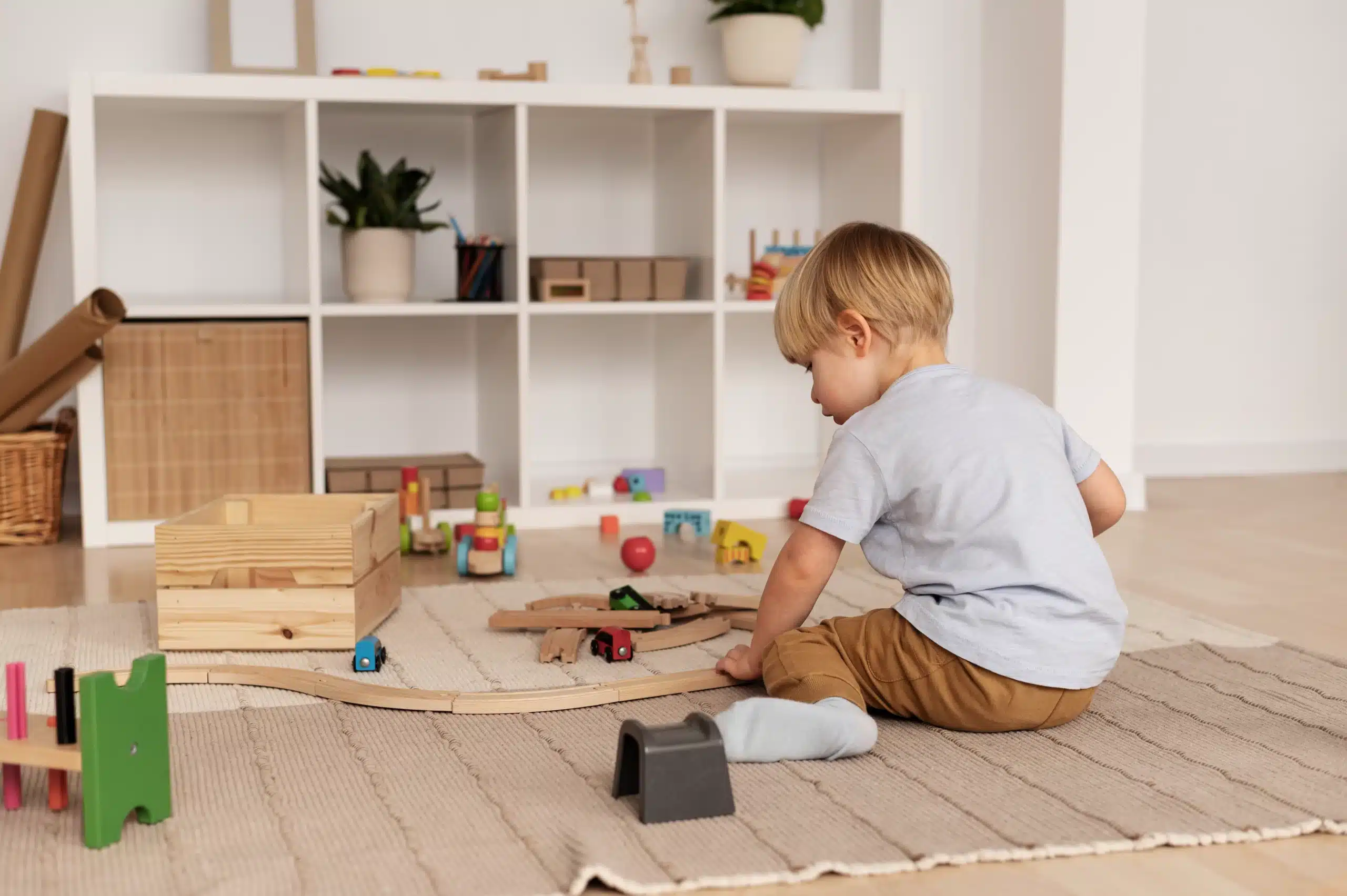
Playrooms are often where chaos creeps in. Toys multiply, shelves overflow, and before long, kids stop seeing what’s in front of them. Montessori flips that dynamic by valuing less but intentional.
Try open shelving with a handful of well-chosen materials on display. A simple rotation system keeps things fresh—swap items every few weeks instead of buying new ones. Use baskets made of natural fibers or small trays to define each material’s space. It’s not about being minimalist for style’s sake—it’s about making choices visible.
This is also where you can introduce learning materials that align with your child’s stage of development. To understand why timing matters, explore the idea of sensitive learning windows which explains how children move through phases when certain skills—language, order, coordination—unfold most naturally.
You’ll notice the room feels calmer when order returns. That’s not a coincidence because children concentrate better in environments that respect their sense of beauty and control. It’s exactly the rhythm they experience each day at Country Day Montessori’s classrooms.
Outdoors as the Forgotten Classroom

Montessori doesn’t end at the back door. In fact, nature might be the most underestimated teacher of all.
Even if your yard is small or your home has just a patio, you can create meaningful outdoor experiences. A few potted herbs, a watering can, and a child-sized trowel are enough. Let your child plant basil, touch the soil, and notice new leaves. These sensory experiences connect directly to curiosity and care.
Families in Stone Oak know how generous the sunlight can be most of the year. A shaded corner can become a “garden station.” Simple raised planters work well for apartment balconies, too. The goal isn’t a perfect garden; it’s daily contact with living things that can make the sense of wonder grow.
Making It Sustainable For Real Families
Here’s where idealism meets reality. You’ve rearranged, simplified, invited independence and then life gets busy. That’s okay. Montessori at home doesn’t demand perfection. It invites observation and adaptation.
Walk through your home occasionally with fresh eyes. What can your child reach now that they couldn’t before? What can be simplified? The environment evolves as they do.
If you’re unsure where to start or want inspiration, stop by your local Montessori campus. Seeing how a classroom is arranged can spark new ideas for your own home. The smallest adjustments—a basket here, a lower hook there—quietly empower your child every day.
Remember, the principle isn’t about the furniture. It’s about the relationship between the child and their world.
Keep the Journey Going
If you’d like to see how Country Day Montessori teachers structure that balance in the classroom, schedule a tour or call 210-496-6033. You’ll see firsthand how independence is nurtured through order, freedom, and care—the same values you’re now weaving into your home life.
Because when the classroom and home speak the same language, children thrive.
Frequently Asked Questions
What’s a simple way to encourage independence for toddlers around Vineyard Ranch?
Keep everyday items within reach: a small pitcher for pouring water, a stool near the sink, or a basket for shoes. The goal is to let toddlers do what they’re ready for—safely and proudly. In neighborhoods like Vineyard Ranch, where space is family-friendly, these micro-zones work beautifully.
Where can I find Montessori play materials near Bulverde Road?
You’ll find solid options in local learning stores and many Montessori-aligned materials online. Look for wooden puzzles, practical-life sets, and open-ended toys. Remember, fewer quality items are better than piles of plastic. Your child’s imagination fills in the rest.
How do I apply Montessori principles in homes near Wilderness Oak?
Think function first. Clear floor space, lower shelves, and natural light make even small rooms feel peaceful. Involve your child in simple tasks like watering plants, setting the table, and folding napkins. The rhythm of participation is what builds the Montessori spirit at home.
Can outdoor learning work in smaller yards near Canyon Springs?
Absolutely. Even a balcony or narrow yard can become a discovery zone. Add planters, magnifying glasses, and child-sized tools. The idea is to observe and care for nature daily, not to create a picture-perfect garden. Montessori learning thrives wherever curiosity has room to grow.
Have questions about Montessori in San Antonio?
Schedule a tour or visit Admissions to see openings.
Serving families in Uptown Central & Universal City