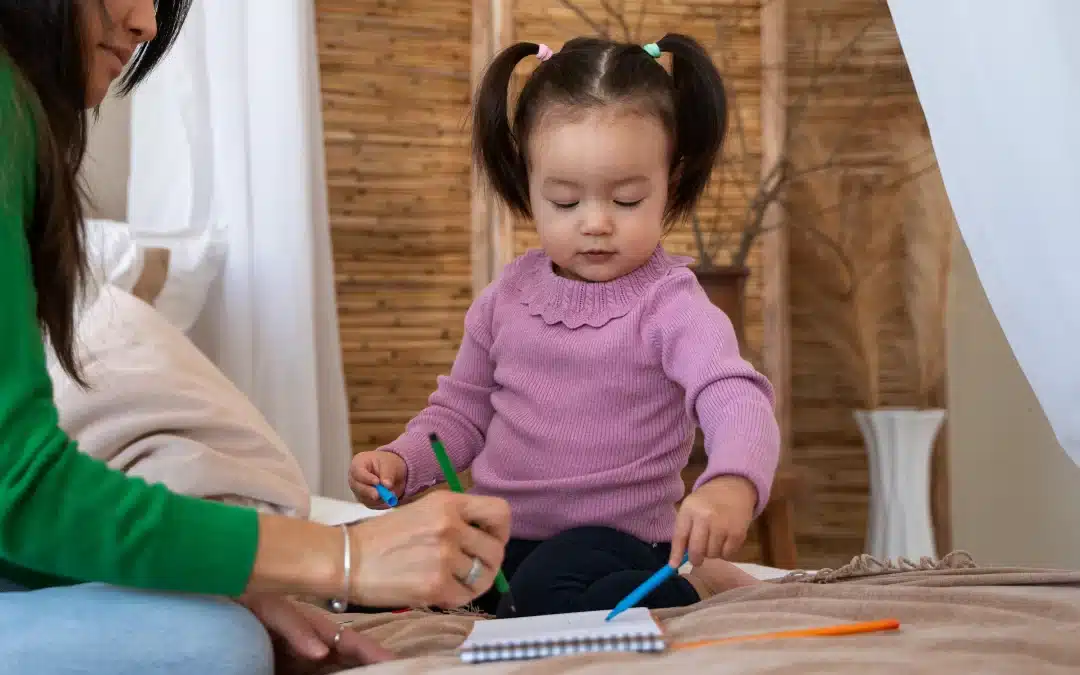
The truth is, not every program that uses the term ‘Montessori’ reflects the real thing. Some borrow the aesthetic, while others follow the authentic approach. That difference matters. Within the first few minutes of stepping onto a campus, you can usually sense whether a school understands childhood at a deeper level.
Before making decisions, it helps to know what genuine Montessori practice looks like, how it affects children long-term, and why families who experience it tend to stay committed. If you’ve ever walked into an early-learning classroom and felt unsure whether it was truly child-centered, this guide is for you. Let’s explore what to watch for, where the research points, and how to spot the kind of school that gives children confidence that lasts.
What an Authentic Approach Really Feels Like
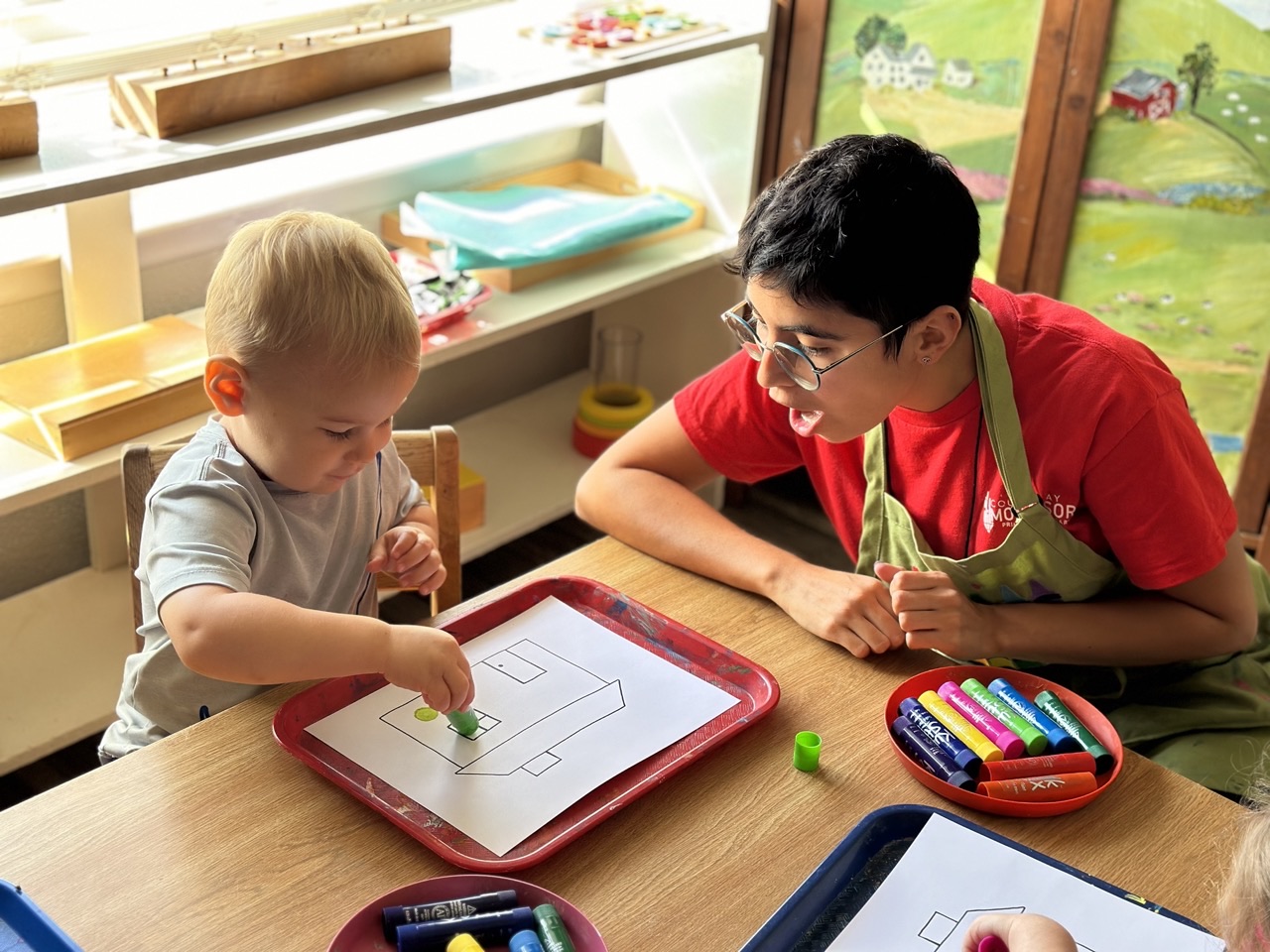
Step into a genuine classroom any time of day and there’s usually a certain feeling: not loud, not chaotic, just movement with intention. Children choose work like it’s the most natural thing in the world. Tables are arranged so materials almost “invite” quiet focus, and there is natural light if the building allows. Guides move slowly and deliberately, as if their presence alone signals calm.
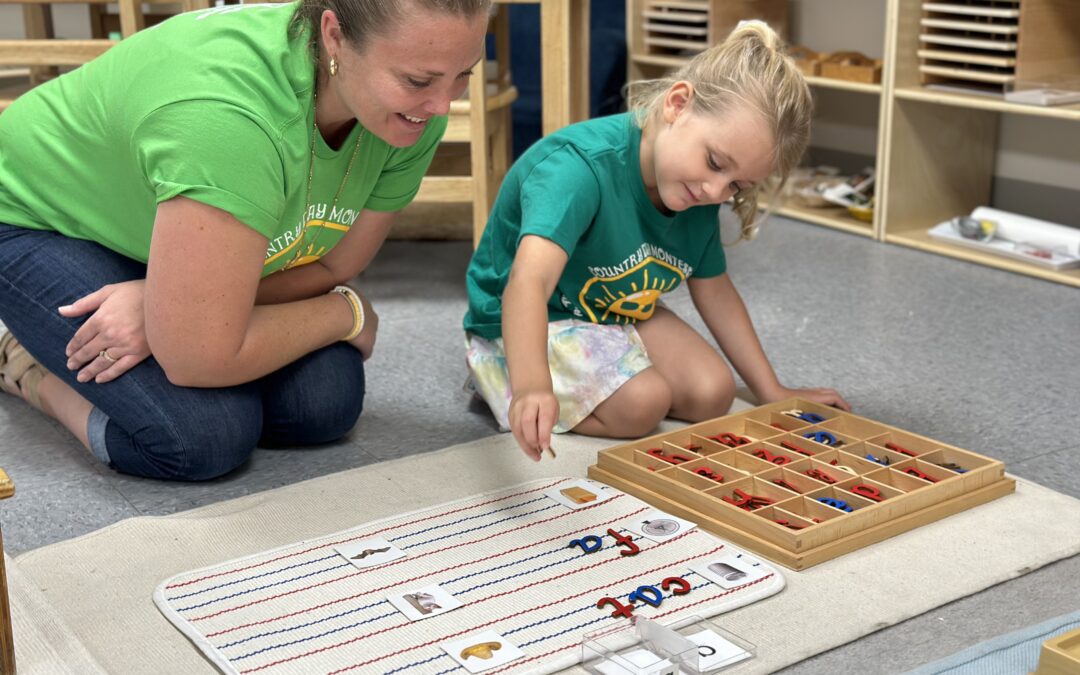
You might see a three-year-old carefully carrying a tray or a five-year-old quietly showing a friend how to use a puzzle map. Older children helping younger ones. The room feels lived-in but not messy, structured but not rigid. This balance isn’t accidental. Programs following the real Montessori approach are known for multi-age groupings, specially designed materials, a long uninterrupted morning work cycle, and trained guides who understand when to step in—and when to step back.
The organization itself is part of the teaching. Studies from the National Center for Education Statistics highlight how consistent structure paired with autonomy can strengthen executive-function skills. That’s one reason children in these environments often seem unusually secure and capable for their age.
Beyond Academics: Why The Method Shapes Confident, Curious Kids
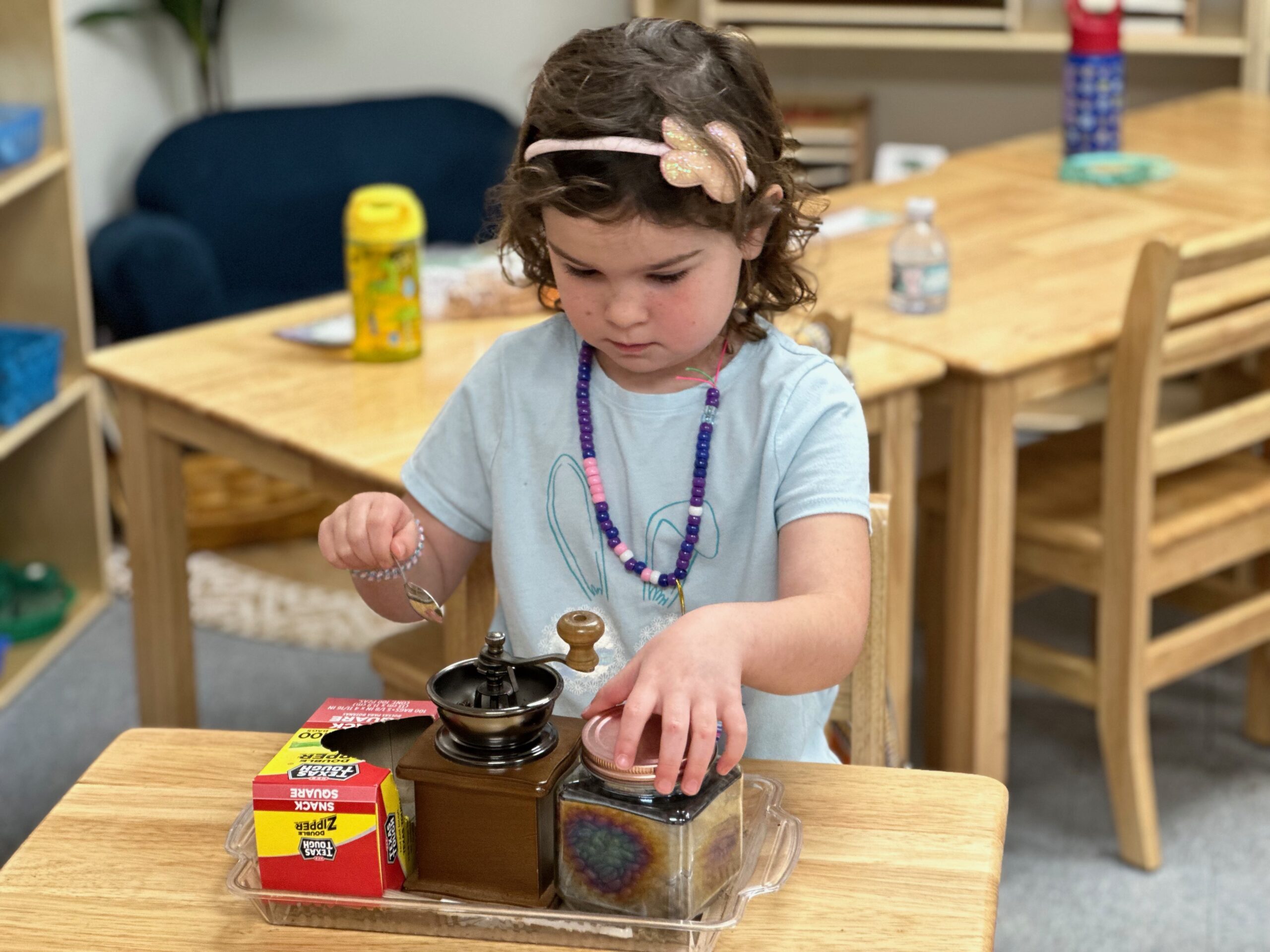
Montessori isn’t just about pretty wooden materials or independent work. The deeper benefits are internal: children build habits of concentration, persistence, problem-solving, and self-evaluation.
You might notice a child pouring water without spilling or tidying their workspace because it feels right. Or explaining clearly how they solved a problem. These behaviors hint at inner order, self-trust, and confidence.
Research from Harvard’s Graduate School of Education shows that children who experience this balance of autonomy and guided structure often develop stronger critical-thinking skills over time. This is what families mean when they say Montessori builds “whole-child” readiness.
What to Look For While Touring Schools in Stone Oak
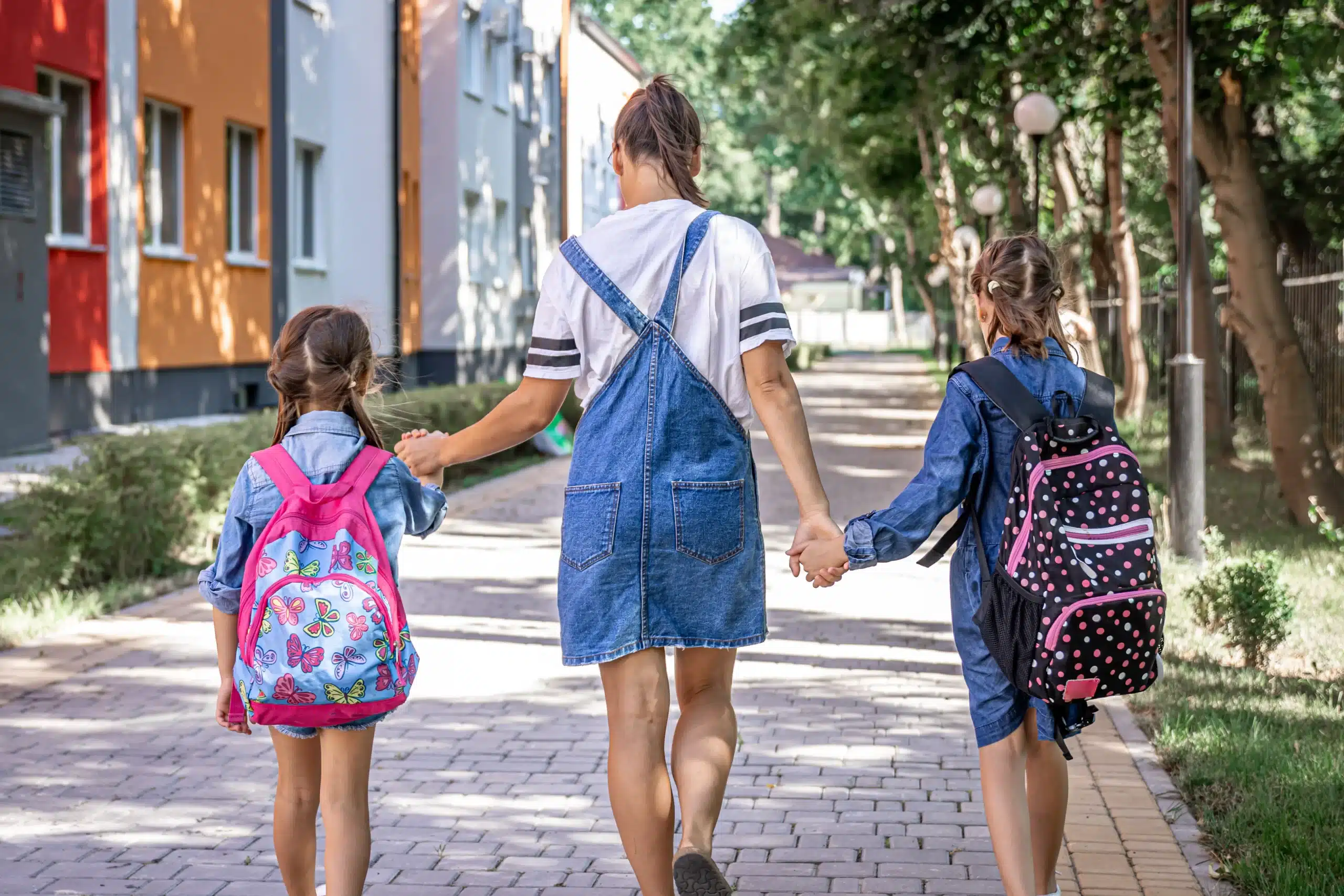
Visiting multiple schools is the best way to see genuine differences and you’ll see them quickly.
1. The atmosphere
You should feel something shift the moment you step in. A room that runs on quiet respect feels very different from one that runs on constant directives.
2. Guide behavior
Look for adults who kneel beside children, speak softly, observe first, and jump in only when needed. Guide presence should feel supportive, not controlling.
3. Children’s movement
Not chaotic. Not stiff. Just a natural, purposeful flow. Some children complete work alone. Others are collaborating. A few walked slowly with materials. This rhythm is a big sign of authenticity.
4. Environmental cues
The shelves, the light, the materials arranged with intention. Even the rugs tell a story. Everything has a place, yet nothing feels off-limits.
5. Real communication
The best programs see families as partners. They don’t “report down”—they collaborate.
While exploring options, some families stop by nearby attractions like Airtopia Adventure Park after school tours. It may sound funny, but taking a break and watching how your child processes the visit often gives you surprising clarity.
Why Some Schools Use the Name Without the Method
Because there’s no trademark on the word, some schools adopt it even if they only borrow a few elements. A few wooden shelves. A child-sized table. Maybe a handful of hands-on materials. But the core practices—the multi-age communities, the long work cycle, the trained guides—those are often missing.
This isn’t always intentional misrepresentation. Sometimes it’s simply a misunderstanding of how deep the method really goes. But for parents, that distinction is crucial. A superficial version does not offer the same developmental benefits. If you ever want a more detailed breakdown of whether the investment is worth it, our blog on long-term child outcomes might help.
Clearing Up a Few Misconceptions
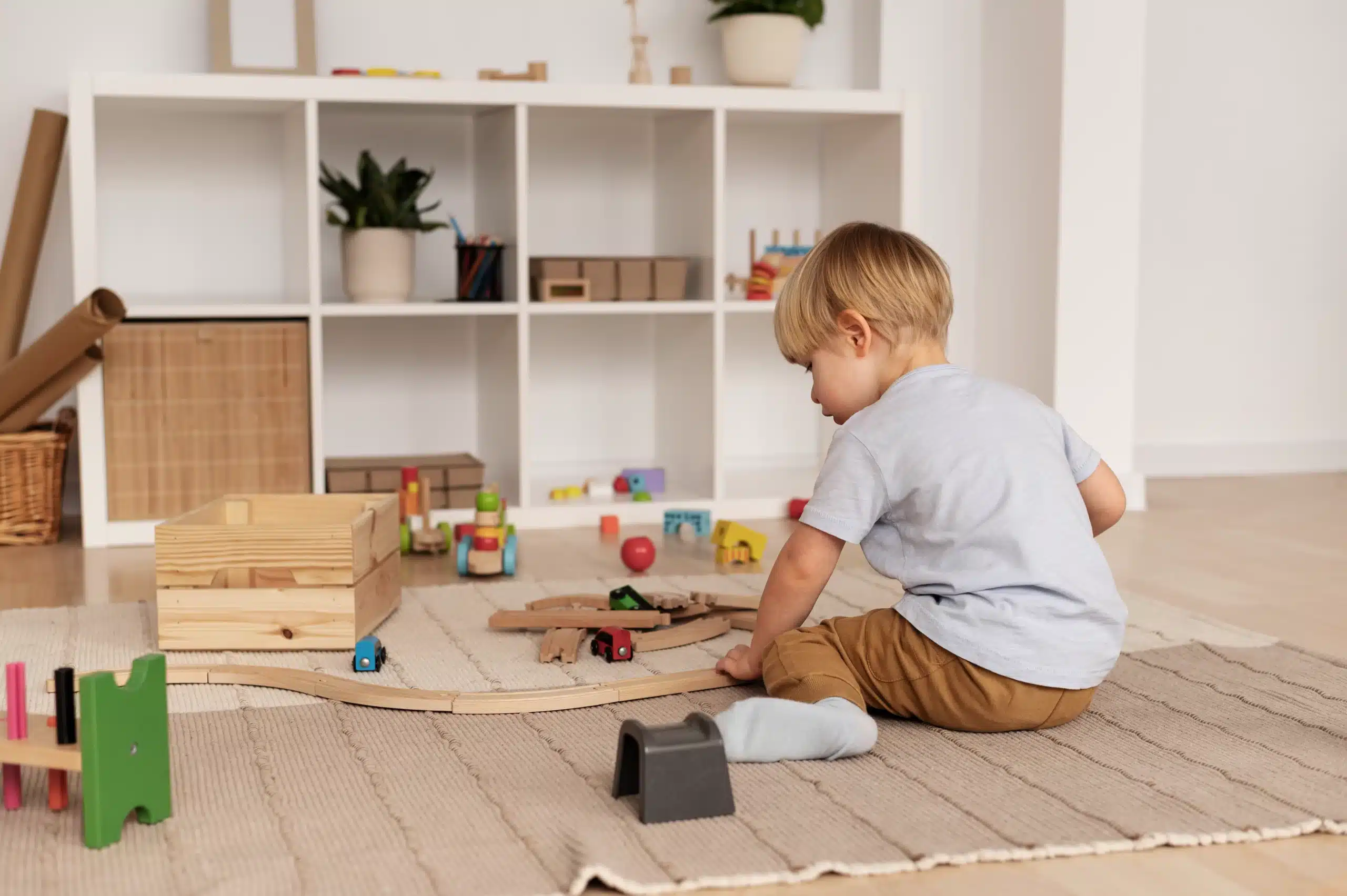
“It’s too unstructured.”
It only looks that way to adults used to constant teacher-led instruction. In reality, the room is structured down to the smallest detail. Children know exactly how to choose, use, and return materials. They follow a predictable work cycle every day. The structure is there, it’s just quiet and child-driven rather than broadcast from the front of the room.
“Kids just wander around.”
True environments don’t encourage wandering; they encourage purposeful movement. If you see constant roaming, that’s a sign the environment isn’t functioning well.
“There’s no real academic rigor.”
The rigor exists just differently. Children move from concrete exploration to abstract mastery at a developmentally aligned pace. According to the American Academy of Pediatrics, early tactile-based learning supports stronger long-term retention than memorization alone.
“It only works for certain types of kids.”
Children vary, of course. But the method is intentionally designed to meet a wide range of learners. Peaceful structure benefits extroverted and introverted children alike.
How Long-Term Stability Matters

Families often seek consistency which means they want a school where children aren’t reinventing their world every year. Programs with a decades-long history tend to offer that stability. Experienced guides don’t get flustered by developmental bumps. They’ve seen them, they know how to adapt, and they approach growth with calm assurance.
Some also look at neighborhoods, such as those near Bianca Maples Rd and Encino Rio, to compare commute times and overall community fit. Doing this can help clarify what daily life might look like—drop-offs, pick-ups, and everything in between.
And when children spend several years in a school that follows real principles, their growth compounds. Skills aren’t forgotten over the summer and confidence doesn’t need to be “rebuilt” every fall. It just grows.
A Practical, Local Tip
When comparing Stone Oak schools, try taking the extra step of driving the surrounding area during peak times. Try Bianca Maples Rd and Encino Rio, or the route from your home to the school and back out to 1604. See how the commute feels. Look at nearby amenities, parks, and after-school stopovers. Even checking the campus driving map helps you visualize your daily rhythm.
Sometimes the “is this sustainable for our family?” question matters just as much as “is this the right school?”
See It All Come to Life
A tour can help you understand whether this approach fits your child’s personality and your family’s rhythm.
If you’d like to visit, you can reach our admissions team at 210-496-6033 or request a visit to book your tour time. Conversations are warm, pressure-free, and designed to help you find a genuine fit for your child.
Frequently Asked Questions
What should I bring when touring a Stone Oak school?
Parents touring campuses often bring a short list of questions, a notepad, and a sense of how their child responds to calm or structured environments. Comfortable shoes help because tours can be surprisingly active.
How do I know if my child will adjust well?
Most children adapt quickly, especially those familiar with home routines. Families often share that their kids settled in within a week or two, helped by the steady classroom structure.
Are there programs that support older children joining mid-year?
Yes, and our administrators explain the transition supports that help new learners adjust smoothly.
What signs should I look for to know a school is the right fit?
Parents say the biggest sign is how calm and confident their children feel after a visit. If your child seems relaxed, curious, or eager to return, that’s a strong indicator of fit.
Have questions about Montessori in San Antonio?
Schedule a tour or visit Admissions to see openings.
Serving families in Uptown Central & Universal City