You can tell a lot about a school within the first minute you step inside. There’s usually a single moment when parents feel a spark. It’s either the environment they’ve been hoping to find or one that raises new, necessary questions. And if you’re trying to understand what’s next for your child, nothing is clearer than walking a campus yourself and noticing how the space shapes the way children learn and grow.
But a tour of a Montessori school only becomes meaningful when you know what to look for. A school visit isn’t just a walk-through; it’s a lens into how the community teaches, supports, and pays attention to each child. The questions below help you get real insight, starting the moment you enter the classroom.
What to Notice
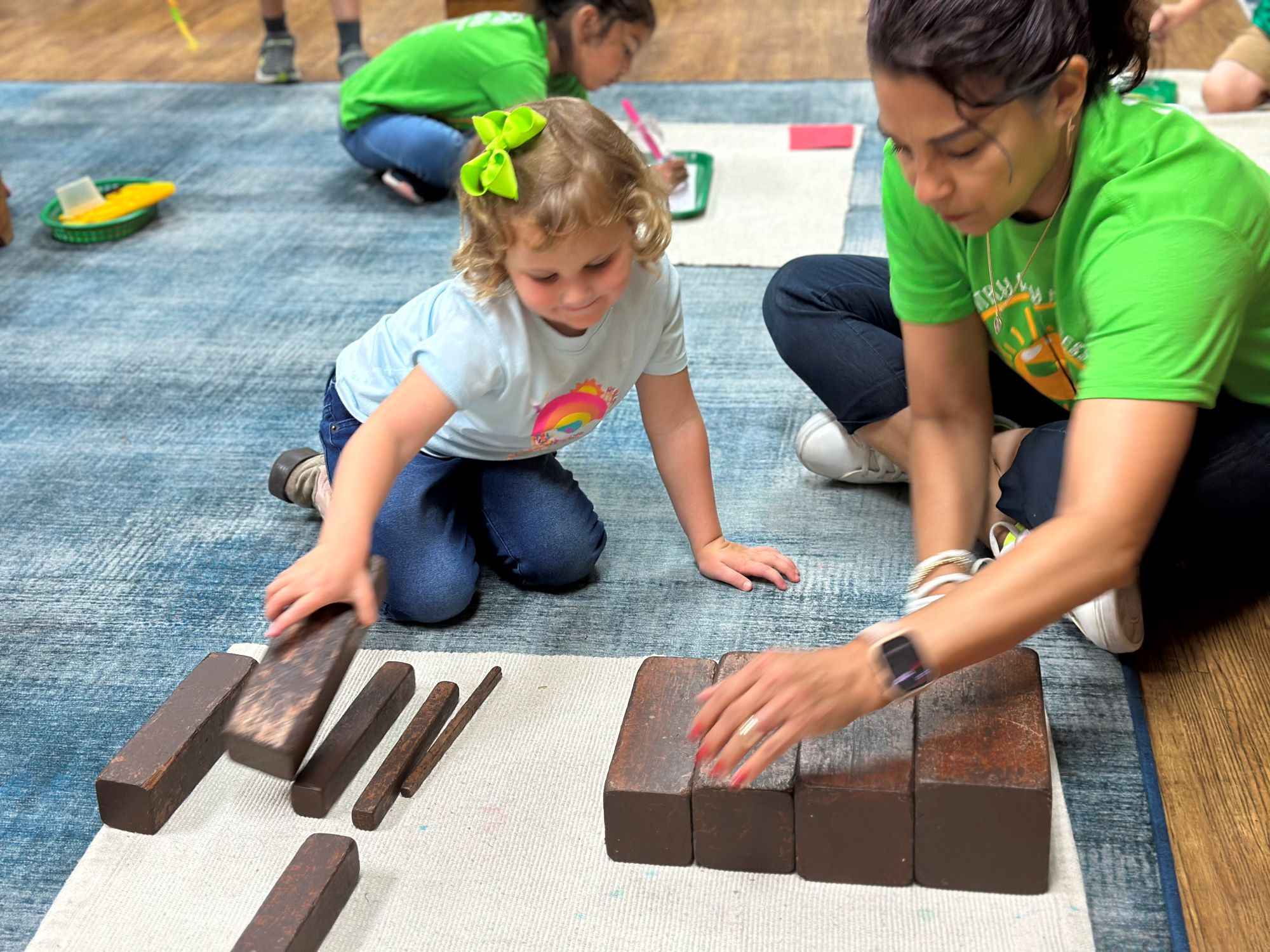
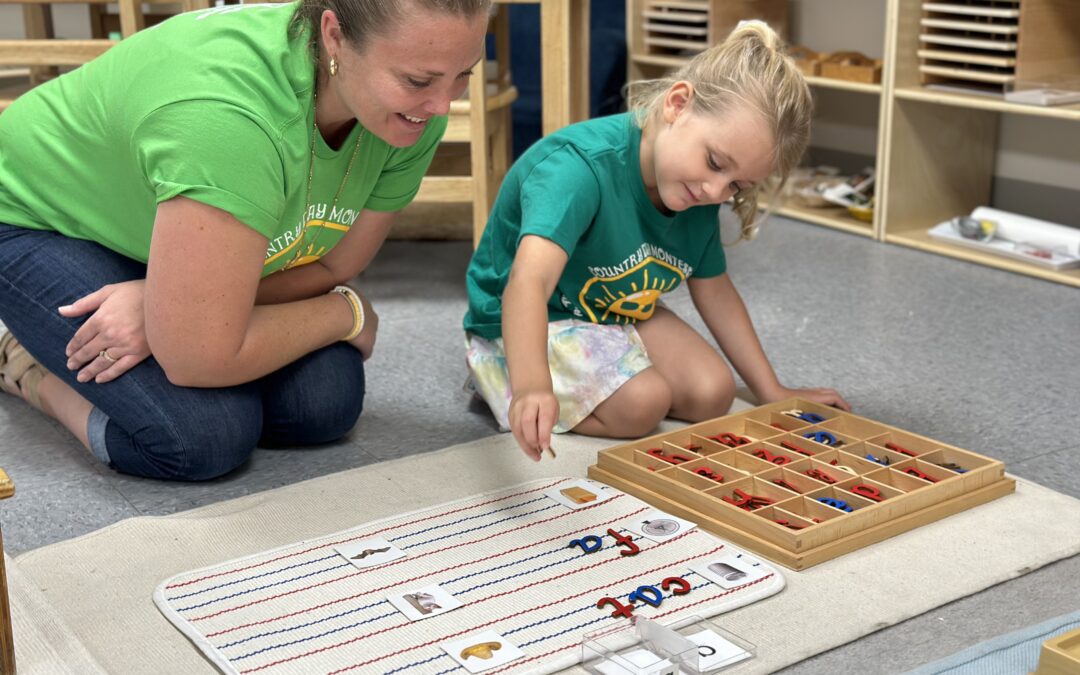
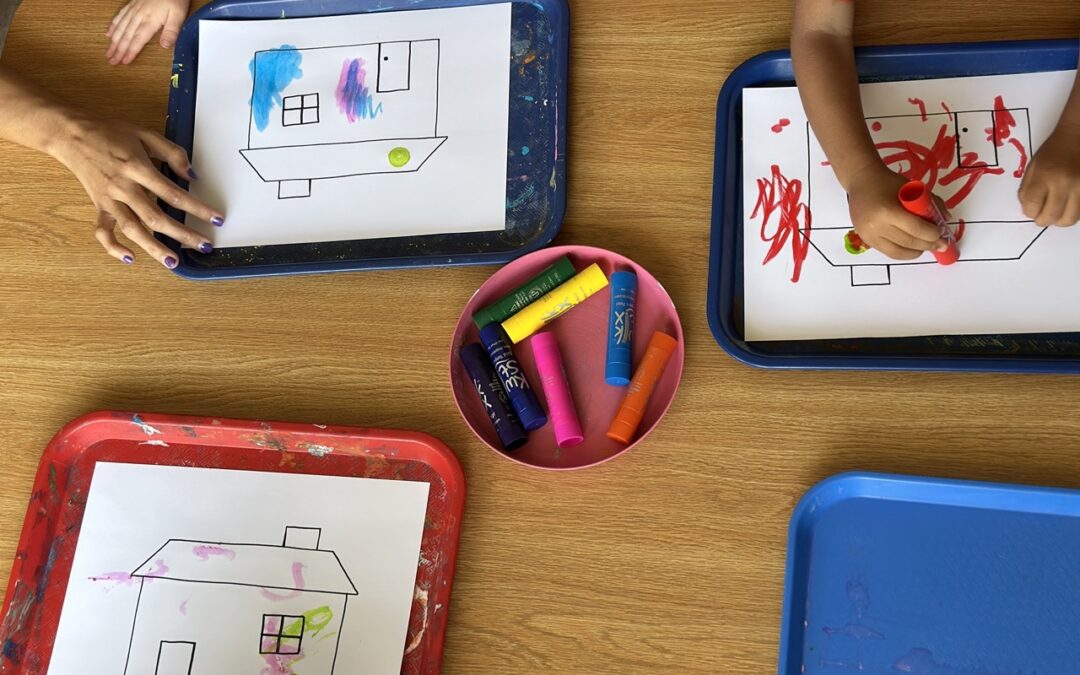
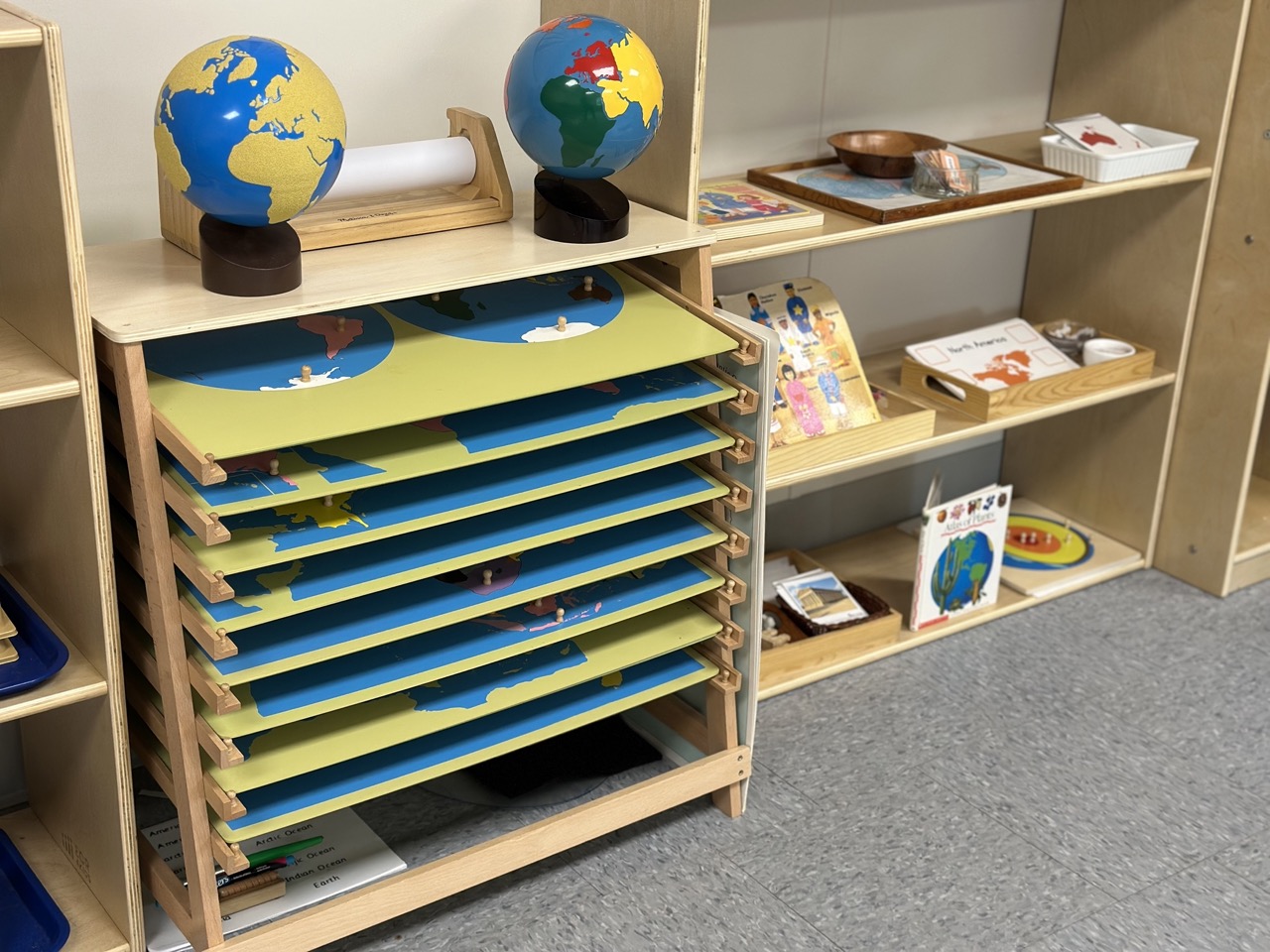
The classroom should speak before anyone else does. Not loudly but with a sense of order and intention. Materials should be placed where children can reach them, arranged neatly, and ready to be chosen. You’ll often see small groups working independently or a guide nearby, observing rather than interrupting.
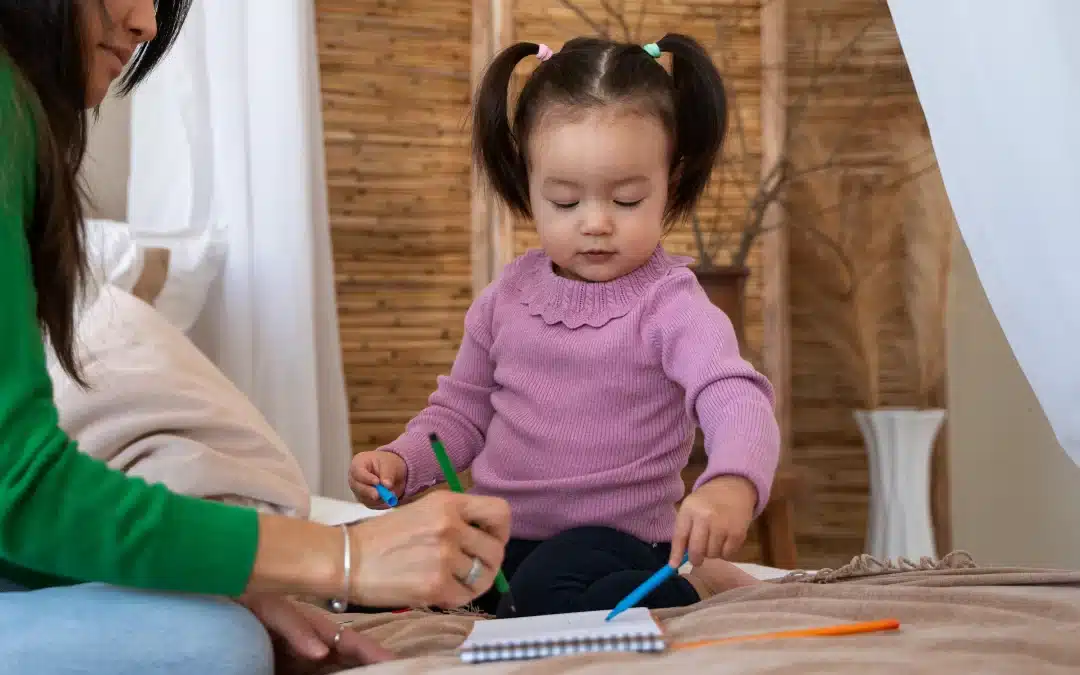
Take a moment to watch how children move. Do they seem relaxed? Curious? Are they choosing work freely, or waiting for direction? Just like a walk around MacArthur Park, a well-designed learning space should echo freedom grounded in structure.
Authentic Practice
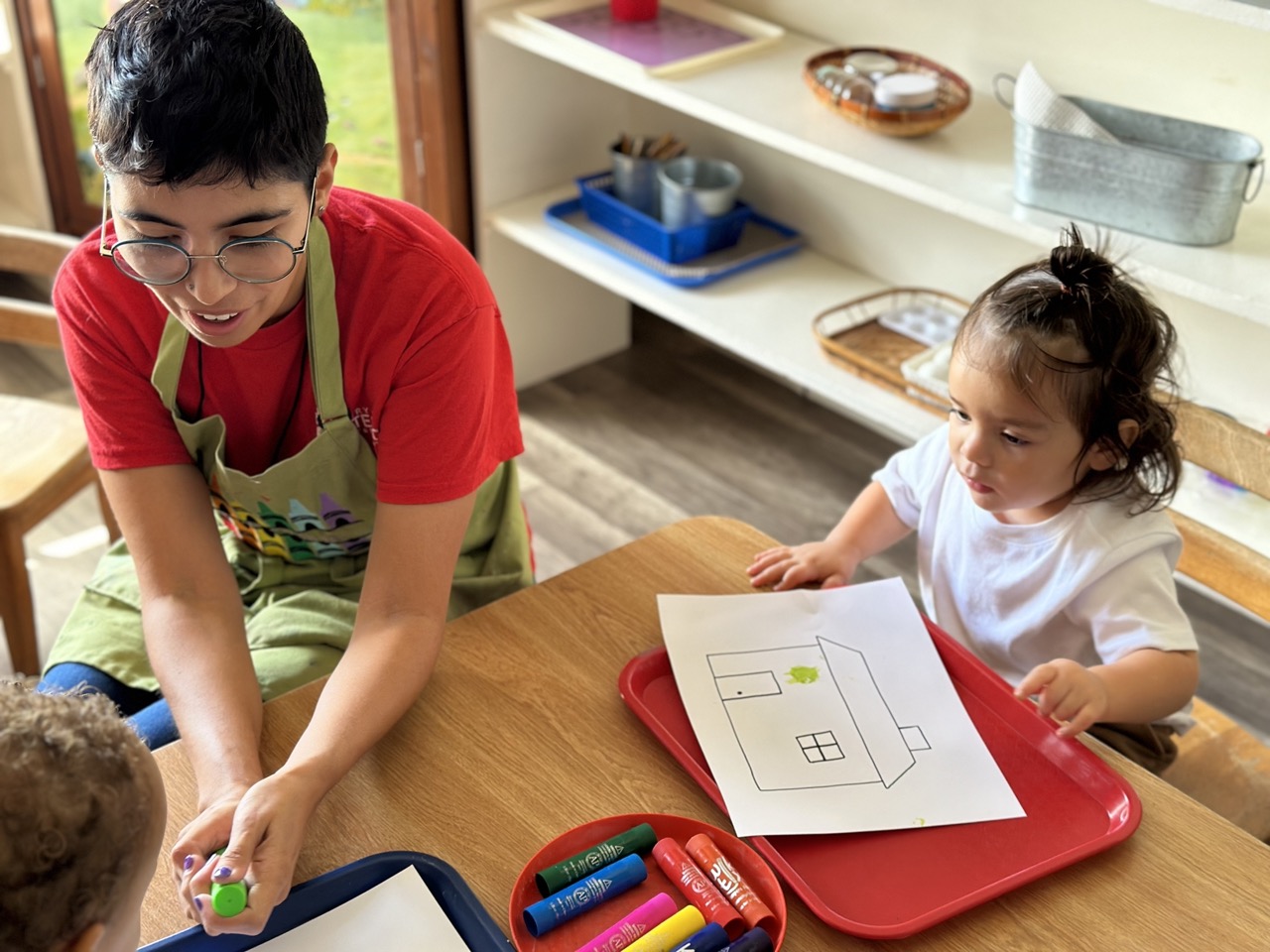
Not every school labeled “Montessori” follows the core philosophy. Some mix methods, borrow language, or use the materials without the deeper practice behind them. During your tour, ask how guides are trained and whether they hold credentials from a recognized organization. Multi-age classrooms should be standard. Children should choose meaningful work, not rotate through timed stations.
Also ask how lessons are introduced, how long children can stay with their task, and how independence is nurtured over time. Authentic practice shows in the smallest interactions—not in the labels.
And if you’re weighing approaches, you might want to read our related blog that compares school models. It breaks down distinctions between private schools and Montessori programs in San Antonio.
Understanding the Teacher–Child Dynamic
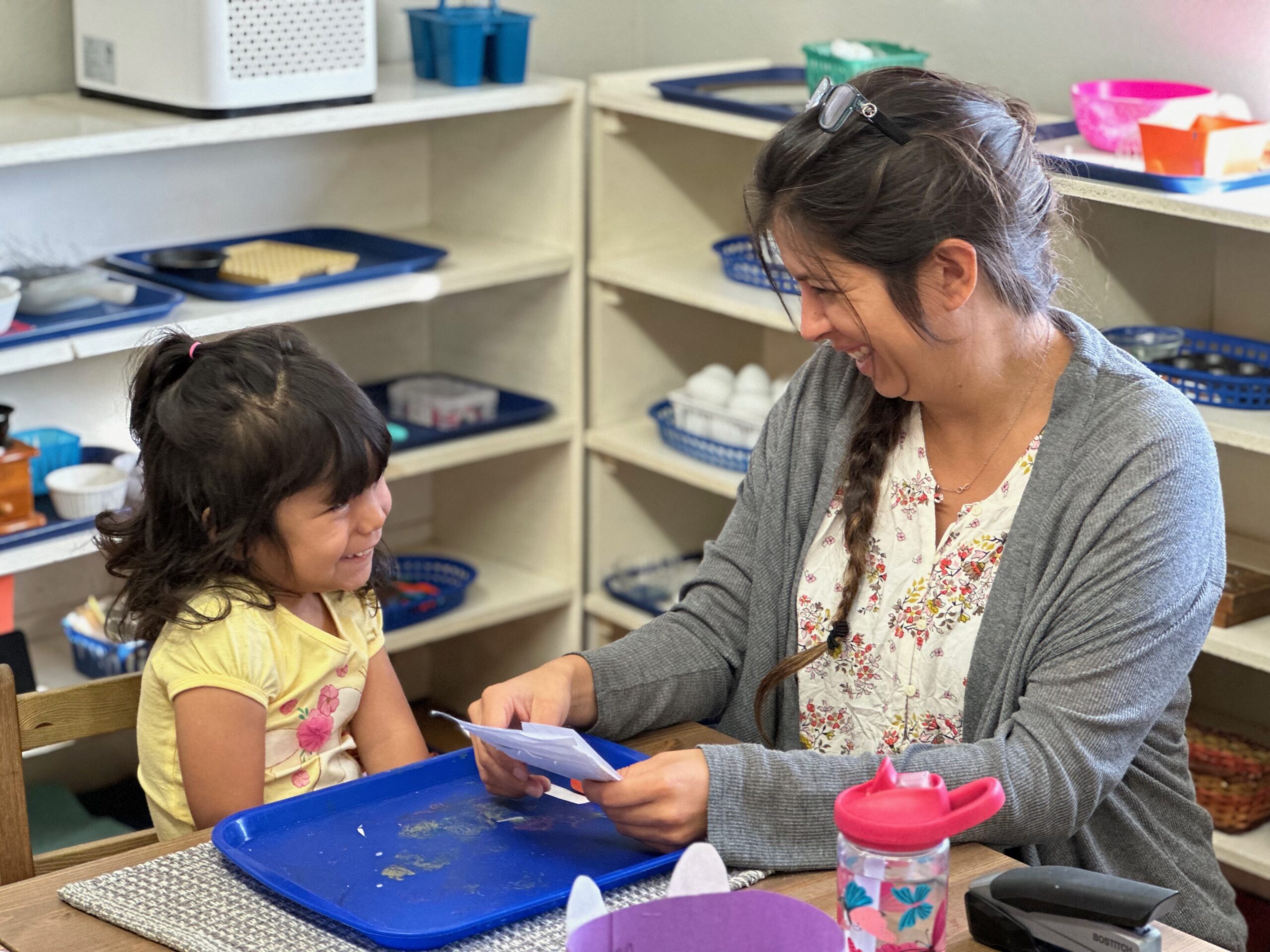
Certified guides are trained to observe with purpose. They watch for readiness, concentration, frustration, and breakthroughs—then quietly adjust the environment to support the child’s next step. On your tour, notice how the guide speaks to children. Are they kneeling to make eye contact? Giving space instead of directing? Encouraging problem-solving without stepping in too quickly?
A good guide models grace and courtesy. They help children return materials, navigate conflict, or transition between activities without micromanaging. Ask how guides redirect behavior, handle big emotions, and communicate progress with families. Their answers should feel grounded, measured, and child-centered.
Curriculum & Learning Progress
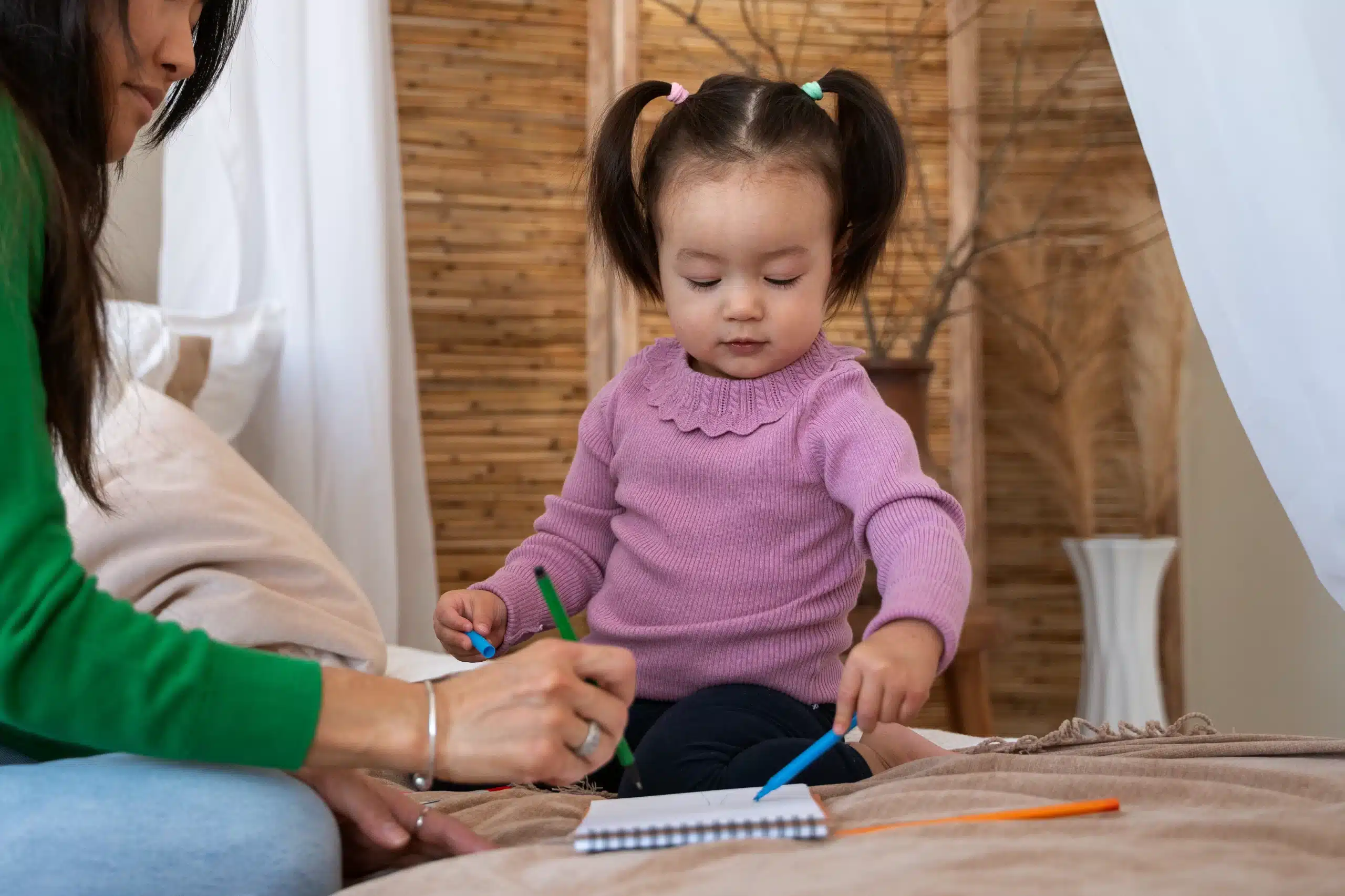
Instead of traditional grade levels or rigid pacing, Montessori follows the child. That means lessons unfold in sequences—concrete to abstract, simple to complex—based on readiness rather than age alone. During your tour, inquire how progress is documented. Do children build independence in math and language at their own pace? How are challenges supported? What does mastery look like?
For additional guidance, organizations like Zero to Three offer early learning insights that highlight what high-quality environments share: consistency, clear routines, and developmentally aligned expectations. These principles mirror genuine Montessori classrooms, where children learn through intentional materials, movement, and uninterrupted work cycles.
Social–Emotional Development for the Whole Child
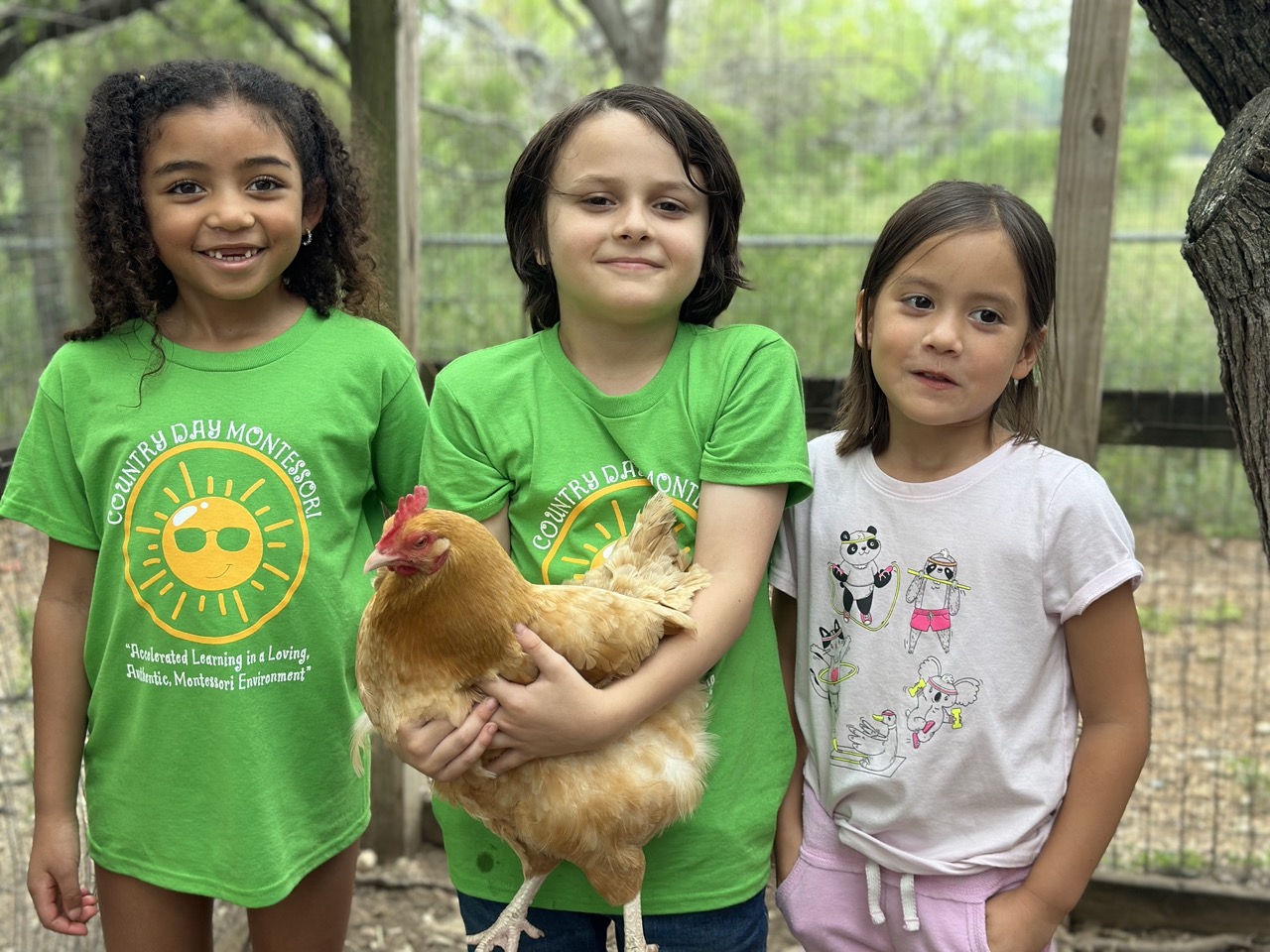
Emotional growth is on equal footing with academics. Watch for signs of collaboration—older children mentoring younger ones, quiet conflict resolution, shared responsibility for classroom care. Ask how guides help children navigate frustration.
You’ll notice something subtle during a strong tour: children look confident. They know where things belong, know how to ask for help, and they trust the environment. Authentic Montessori encourages self-regulation, empathy, and leadership long before the academic milestones arrive.
Classroom Structure, Safety & Routines Families Need to Understand
Before you leave the classroom, make sure you understand the practical routines. Where do children store belongings? How are bathroom breaks handled? What does outdoor play look like, and how often does it happen? How are allergies or medical needs managed?
If you’re preparing for next steps, you might explore tuition and admissions details to understand registration timelines, financial considerations, and how the school supports families during transitions. Don’t hesitate to ask about teacher-to-child ratios, drop-off procedures, or the school’s safety protocols. These are essential parts of feeling comfortable and confident.
Family Partnership: Questions That Reveal School–Home Alignment
A strong school invites parents to be part of the journey, not spectators at a distance. Ask how often you’ll receive updates and whether you can observe classrooms during the year. Many families start by checking what the drive might look like—especially if they’re coming in from areas near N Vandiver Rd and Connally Loop—just to get a sense of how the campus fits into their everyday rhythm. You can also always view the location map to see how it aligns with your own routine.
Ask about parent–teacher communication, transition support for new students, and opportunities to learn more about their philosophy. A collaborative relationship between home and school strengthens the child’s sense of continuity.
Common Red Flags To Watch For
It’s not the real deal if the room feels overly silent, with children waiting passively for instruction. It’s also a concern if the guide moves quickly from child to child, directing each moment instead of observing. Materials should be complete, clean, and thoughtfully arranged—not scattered or mismatched.
Beware of programs that blend unrelated curricula without clear purpose, or those that explain the approach as “letting kids do whatever they want.” Montessori is freedom within structure—not free-for-all, not teacher-led rigidity. If what you see doesn’t match what you’re told, trust your instincts.
Parent Checklist: What to Ask and Observe

A quick, parent-friendly checklist to bring on your tour:
- Do children choose to work independently?
- Are the learning materials complete, neat, and accessible?
- Is there a clear flow of movement?
- Do guides observe more than they intervene?
- Are lessons individualized?
- How is progress documented?
- How are conflicts resolved?
- What are the safety protocols?
- How does the school support new families?
- Does the school follow authentic practice?
It’s Time to Take a Look Around

There’s only so much you can learn online. The real clarity comes the moment you enter a working classroom and feel that quiet hum of concentration—children absorbed, guides attentive, and the environment doing half the teaching on its own. If you’re ready to see what that looks like in person, you can always schedule your visit through our school’s tour page.
To speak with someone directly or ask about availability, call 210-496-6033. Families often say the tour was the moment everything finally made sense.
Frequently Asked Questions
What age is best to start Montessori?
Many families begin between ages 2½ and 4, when children naturally crave independence. Schools typically encourage starting as early as possible within the Primary cycle so children can benefit from the full three-year progression.
Can I bring my child to the tour?
Most schools welcome it—children often give you the best clues about whether the space feels right. If you’re touring, check ahead of time; some classrooms have observation windows or designated visiting hours to avoid disrupting work cycles.
How should I evaluate classroom behavior during the visit?
Look for signs of concentration, purposeful movement, calm interactions, and children solving small problems on their own. Guides often point out how children return materials or invite peers to collaborate—both strong indicators of a healthy community.
Do Montessori schools accept mid-year enrollments?
Yes, many do, especially when the child is developmentally ready. Schools often have rolling admissions for younger age groups. Ask how the transition works and what supports are in place during the first few weeks.