Inside a Montessori classroom, every movement has meaning. When a child carefully pours water or arranges beads by color, they’re not just completing a task. They’re wiring their brain for focus, patience, and control — skills that form the foundation of executive function.
Through hands-on learning and freedom of choice, the Montessori method strengthens the neural pathways that support focus, decision-making and problem-solving. The result? Learners who can think independently, regulate emotions, and approach challenges with confidence.
That’s the everyday magic of Montessori-style learning in Stone Oak, where each lesson sparks growth in both the mind and heart.
The Brain’s Control Center, Explained
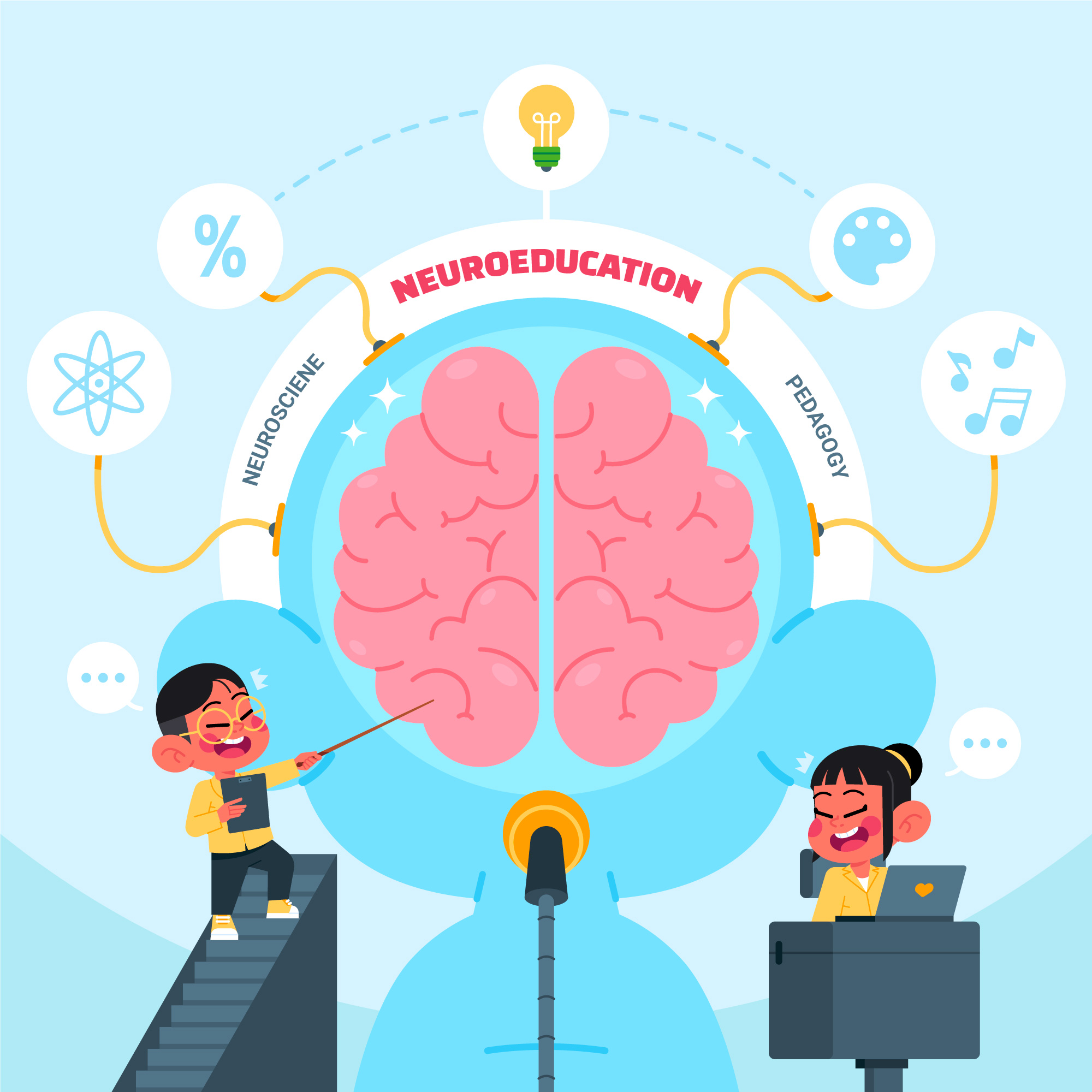
Executive function sounds technical, but it’s really just the brain’s way of managing life. It’s a trio of super-skills:
- Working memory — the ability to hold and use information, like remembering the next step in a recipe.
- Cognitive flexibility — switching gears when plans change or something unexpected happens.
- Inhibitory control — that quiet strength that helps a child resist blurting out an answer or interrupting a friend.
These skills help a toddler wait patiently at Once in a Wild Mobile Zoo to feed the rabbit. They also help an elementary student switch from math to writing without losing control.
Neuroscientists say executive function predicts long-term success more accurately than IQ. Harvard’s researchers even call it the “air-traffic control system for the brain.” If you’re interested, you can read more about that in the Harvard Center’s executive function guide.
How Montessori Strengthens the Brain
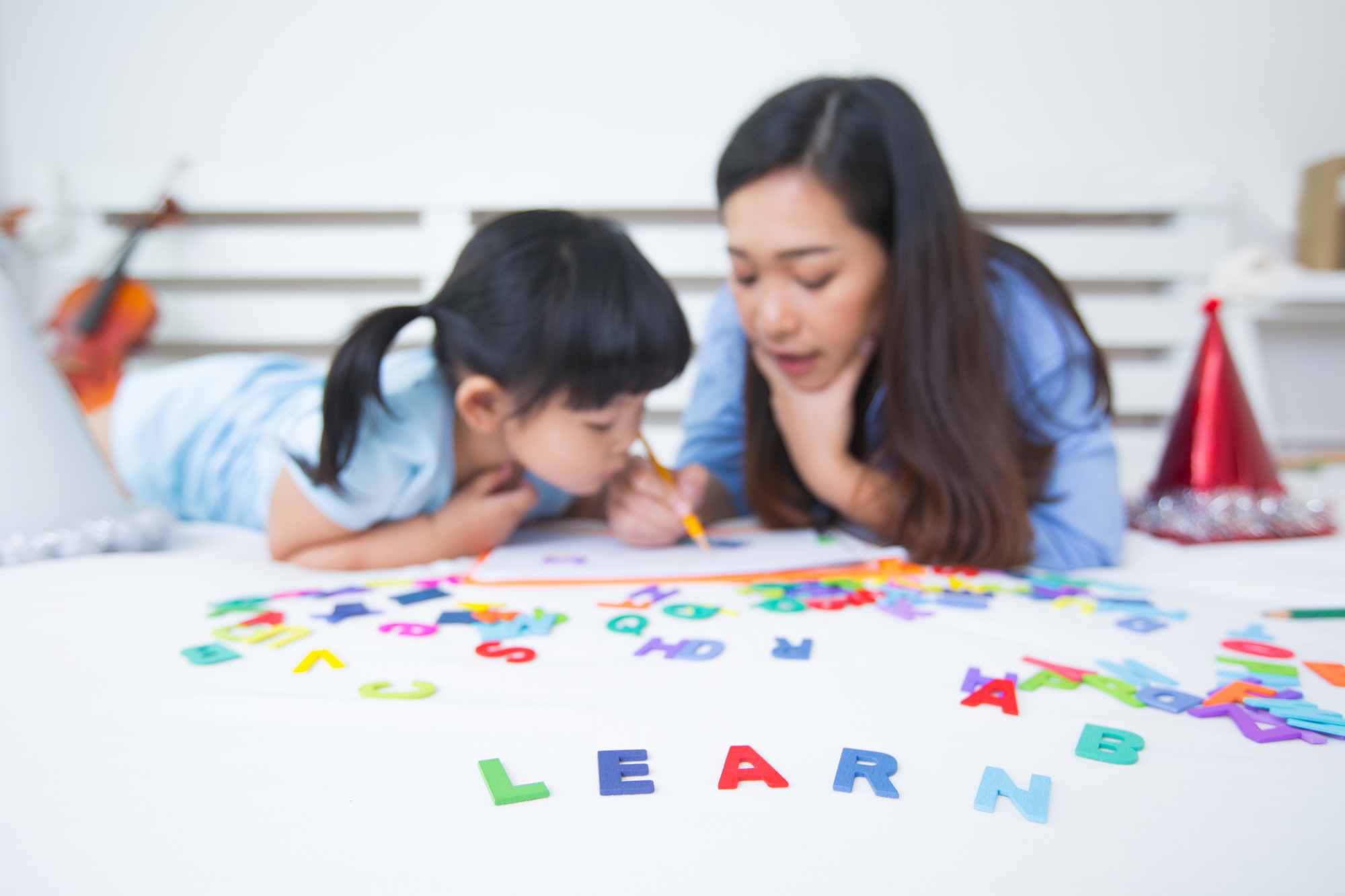
Every material, every routine, even the calm tone of the teacher—all of it supports cognitive development.
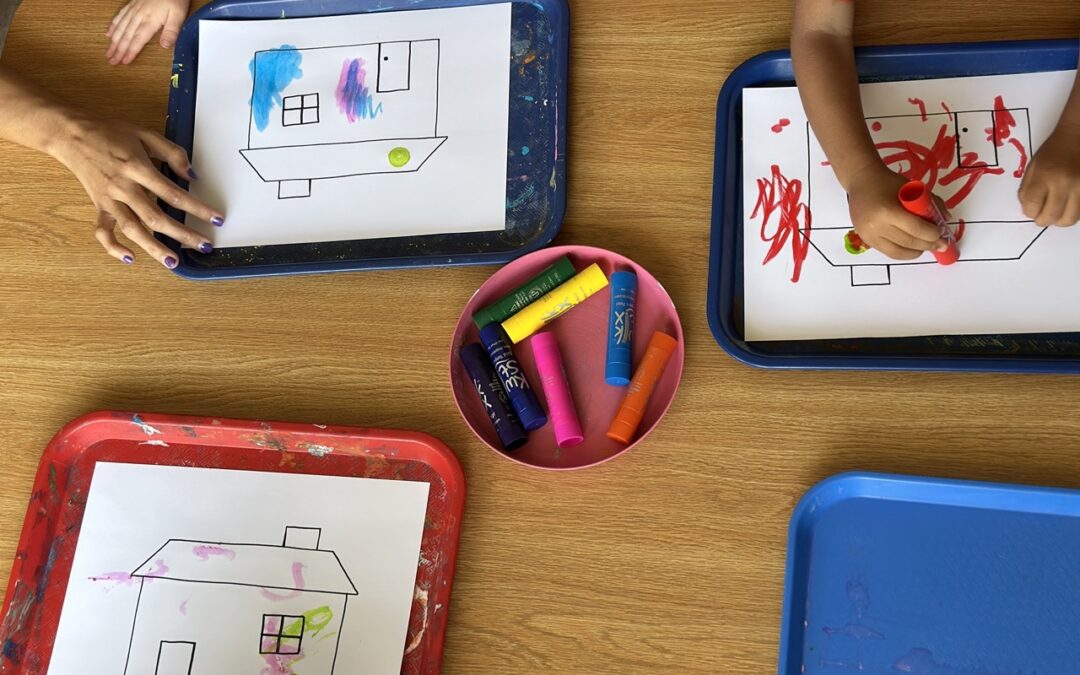
- Uninterrupted Work Periods give children time to dive deep into focus. No forced transitions. No “time’s up” when they’re in the zone. This steady rhythm trains persistence and attention—core executive skills.
- Choice Within Limits offers just enough freedom for the brain to learn decision-making safely. When kids pick a lesson to revisit or decide how long to practice, they’re building self-regulation, not just independence.
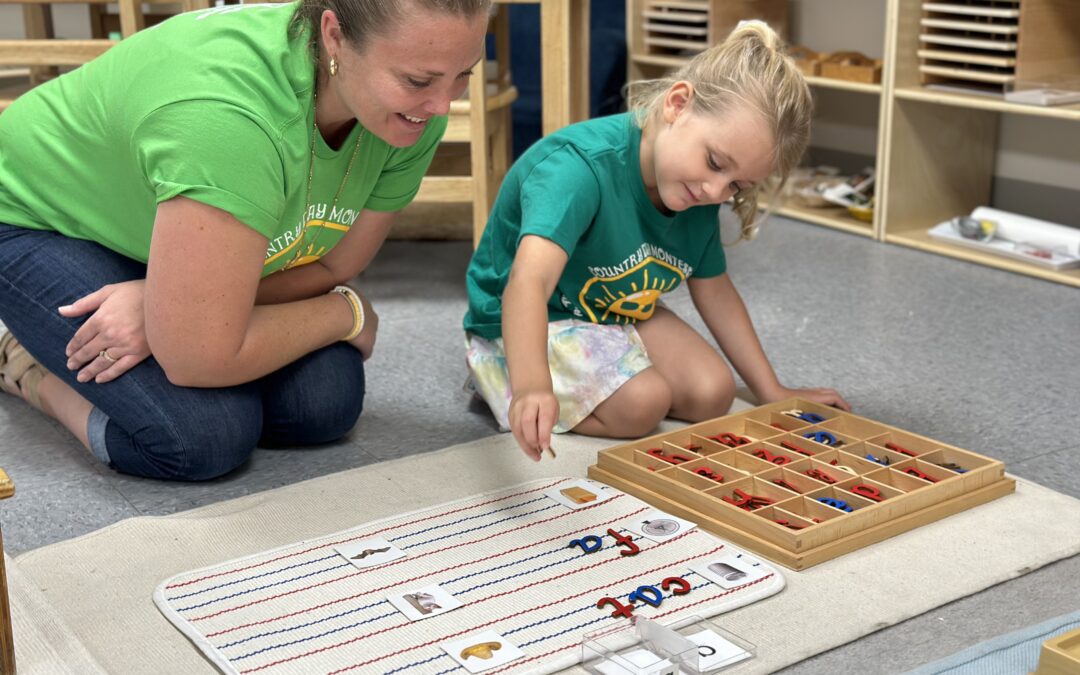
- Hands-On Materials activate multiple areas of the brain at once. Wooden beads, sandpaper letters, and metal insets engage touch, sight, and movement. They strengthen memory and understanding through the senses.
- Multi-Age Classrooms nurture a different kind of intelligence. Older children model patience and leadership; younger ones learn through observation. Both sides of the exchange boost empathy, planning, and perspective-taking. These are key signs of advanced brain development.
This type of education isn’t just teaching lessons; it’s building the neurological pathways for lifelong learning. And that’s the quiet genius of the Montessori method.
And if you want to extend that same kind of structure when your kids are with you, check out our article on how Montessori environments support at-home learning in Stone Oak.
Executive Function in Action: Age-by-Age Examples
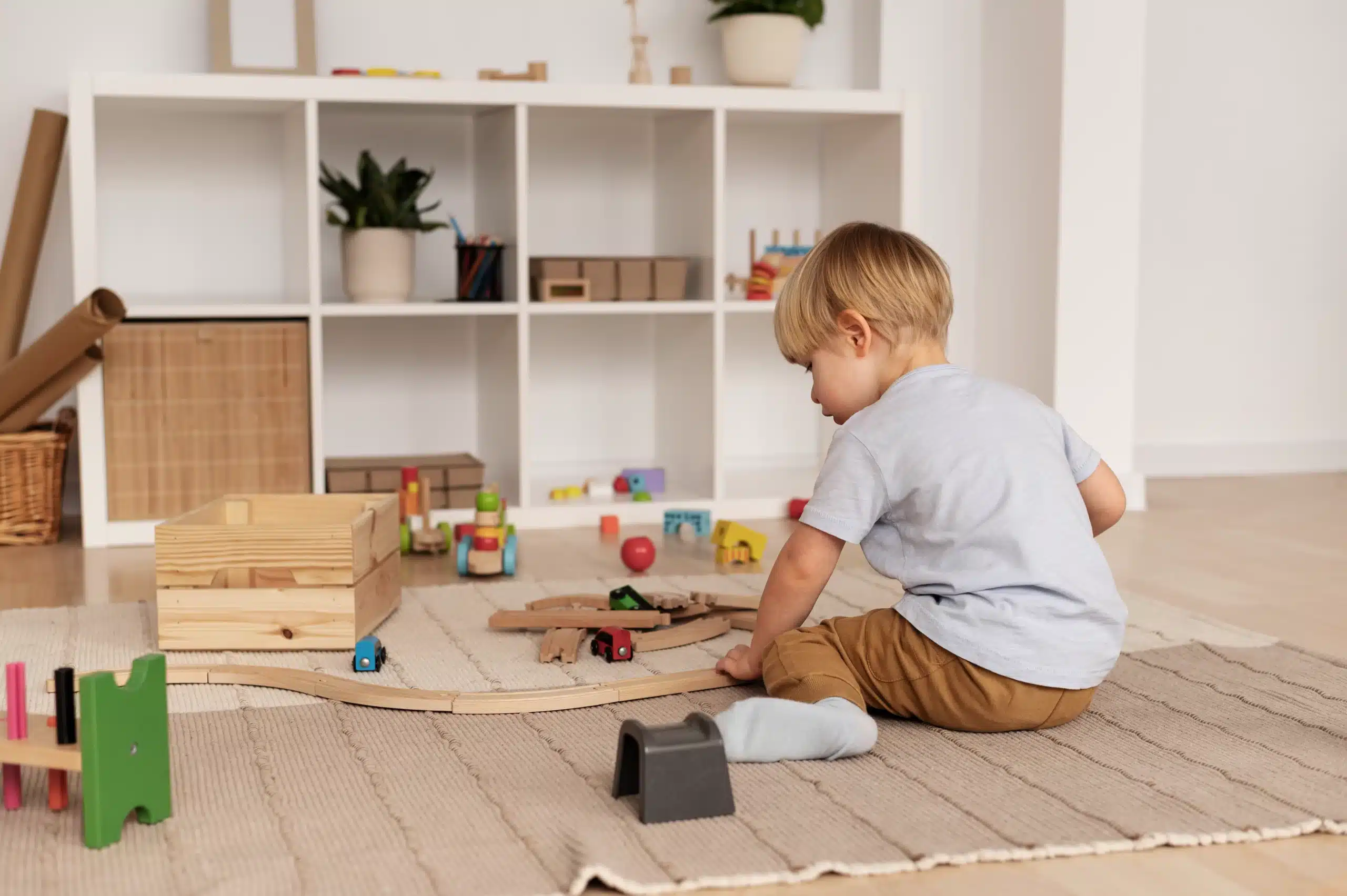
| Age Group | Montessori Focus | Executive Function Gains |
| Infant & Toddler (0–3) | Practical life tasks like pouring, buttoning, or sweeping | Early impulse control, hand-eye coordination, attention span |
|
Primary (3–6 years) |
Long work cycles and freedom of choice within structure | Focus, independence, patience, early problem-solving |
| Lower Elementary (6–9 years) | Collaborative research, time management, responsibility for materials | Working memory, planning skills, flexible thinking |
| Upper Elementary (9–12 years) | Self-directed projects, mentoring younger peers | Goal-setting, self-management, leadership, empathy |
Spend a few minutes in our Montessori classroom in Stone Oak and you’ll see these shifts in action. A toddler carefully transferring beans with a spoon. A kindergartner choosing to repeat a bead-chain lesson until they’ve nailed it. A nine-year-old calmly helping a younger child write their first story.
Even families living near La Pena Dr often say they notice the difference at home: less rushing, fewer meltdowns, more follow-through. That’s the executive function at work—the invisible muscle of self-control growing stronger through small, everyday victories.
Why Montessori Works—According to Science
Modern brain research is finally catching up to what Montessori teachers have quietly observed for generations: children learn best when curiosity takes the lead.
Every time a child chooses to focus on a task—counting beads, tracing letters, watering a classroom plant—their brain is doing far more than mastering a skill. It’s strengthening the neural connections that handle focus, problem-solving, and emotional balance. Scientists call this process neuroplasticity or the brain’s natural ability to adapt and reorganize itself through experience.
In a Montessori classroom, this growth happens continuously. The mix of hands-on materials, calm repetition, and independence trains the prefrontal cortex, the area of the brain responsible for planning and decision-making. You could think of it as exercise for the mind—steady, rhythmic, and purposeful.
So while the method may look gentle on the surface, beneath it hums a steady rhythm of cognitive development. The classroom becomes what it’s always meant to be: a workshop for building strong, adaptable, and confident thinkers.
Why It Matters for Families

In Stone Oak—where days are full, schedules are full, and family life is filled with activity—children benefit from having an anchor. Montessori gives them that. It trains their brains to focus amid the noise and make choices with calm confidence.
Whether your home sits near Las Lomas Blvd or closer to Stone Oak Parkway, the goal is the same: help children think before reacting, persist through challenges, and take pride in their own progress. Those are life skills, not just school skills.
And those lessons don’t stay in the classroom. They ripple outward into better friendships, smoother mornings, and a lifelong sense of self-direction.
See Executive Function in Action
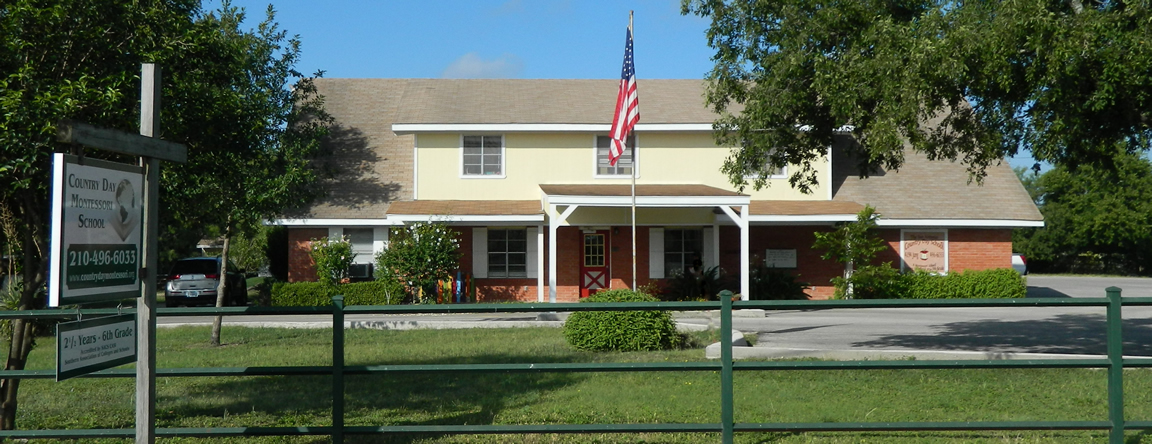
Curious what this looks like in real life? Schedule a classroom tour today or call 210-496-6033 to talk with the staff about observing a live class.
Watch independence take root and see brain-building Montessori moments in Stone Oak unfold naturally every day. Experience firsthand how children practice focus, make choices, and build self-confidence—all in a calm, supportive environment.
Frequently Asked Questions
At what age do executive function skills start to develop?
These skills begin forming in infancy but grow most rapidly between ages three and six—the same “absorbent mind” period Maria Montessori described. Early exposure to self-directed activity helps these skills mature.
Can Montessori methods help children who struggle with attention or impulse control?
Absolutely. Montessori’s peaceful structure lets children practice focus in a calm environment. Instead of constant correction, they experience natural reinforcement—success feels rewarding, which motivates continued self-control.
What percentage of Stone Oak parents choose Montessori education?
While exact numbers vary year to year, community enrollment figures suggest that about one in four Stone Oak families explore or enroll their children in Montessori programs. The trend reflects a growing appreciation for child-centered, brain-based learning.
What should parents look for during a school tour?
Look for children deeply focused on their work, speaking politely, and solving small challenges without adult intervention. That quiet independence—that’s the hallmark of a brain growing stronger through Montessori learning.
Have questions about Montessori in San Antonio?
Schedule a tour or visit Admissions to see openings.
Serving families in Uptown Central & Universal City