If you’re a parent choosing a Montessori program, it can feel like stepping into a dozen different worlds. Some classrooms hum with quiet focus, while others feel more like playrooms with “inspired by” labels slapped on. Somewhere in between is the space where your child will spend hundreds of mornings, absorbing routines and relationships that shape how they learn for years.
That’s why families look for clues early. The right school isn’t just pretty materials or polished marketing. It’s the feel of the room, the way teachers move, the way children solve small problems on their own. If you want an easy place to start, exploring a few pages on their site can give you a feel for how clearly they communicate. But the real answers come from knowing what to look for, what to ask, and when to trust your instincts.
How to Spot the Authentic Program

Montessori isn’t a brand; it’s a philosophy. And in a city as large as San Antonio, you’ll see everything from fully qualified offerings to daycares borrowing the language without the structure behind it. The real deal is calm but alive, ordered but flexible. Children move with purpose; teachers guide without hovering.
Look for certified guides (AMI or AMS) with graduate-level credentials. During a tour, ask, “Who in this classroom is fully trained?” A strong school will answer clearly and confidently.
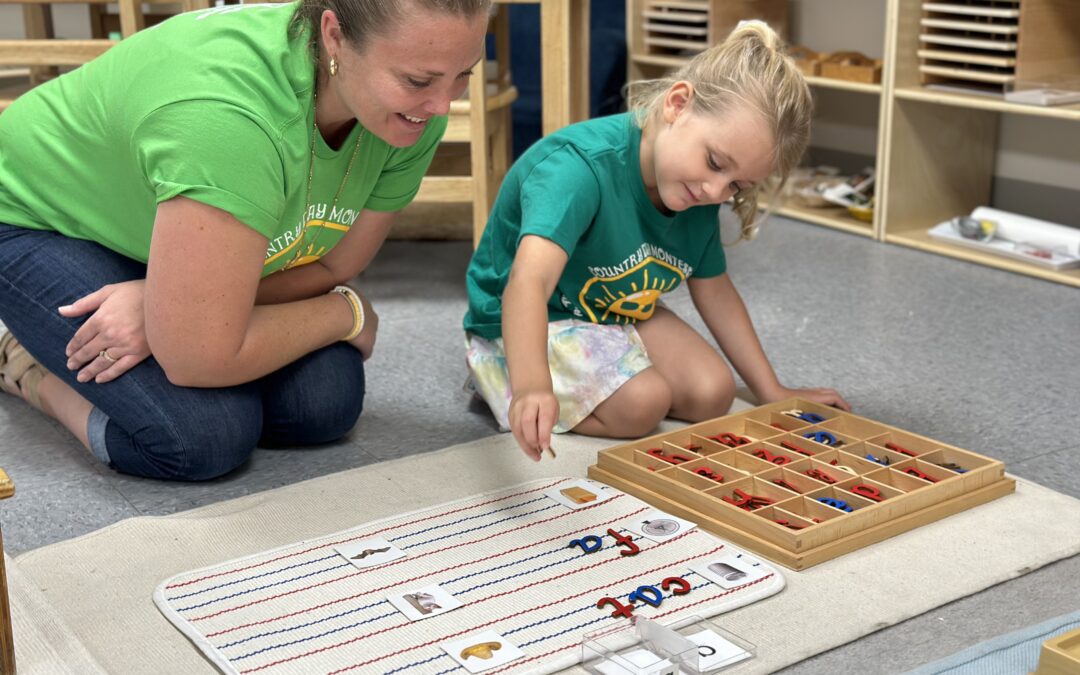
Classrooms should be mixed-age, usually in three-year spans. You’ll notice an uninterrupted work cycle in tiny gestures: a child polishing a mirror, another tracing sandpaper letters, another stretching bead chains with steady concentration.
Some parents find it helpful to compare what they see with the more traditional pacing found in many neighborhood elementary schools, simply to understand how differently this learning style structures independence for students.
Safety, Culture & Daily Life on Campus
Safety sets the stage for everything else. Ratios, supervision, gated play areas, and clean, child-height bathrooms tell you whether a school values care as much as instruction. Notice how easily teachers can see the entire room as that simple detail shapes both safety and freedom.
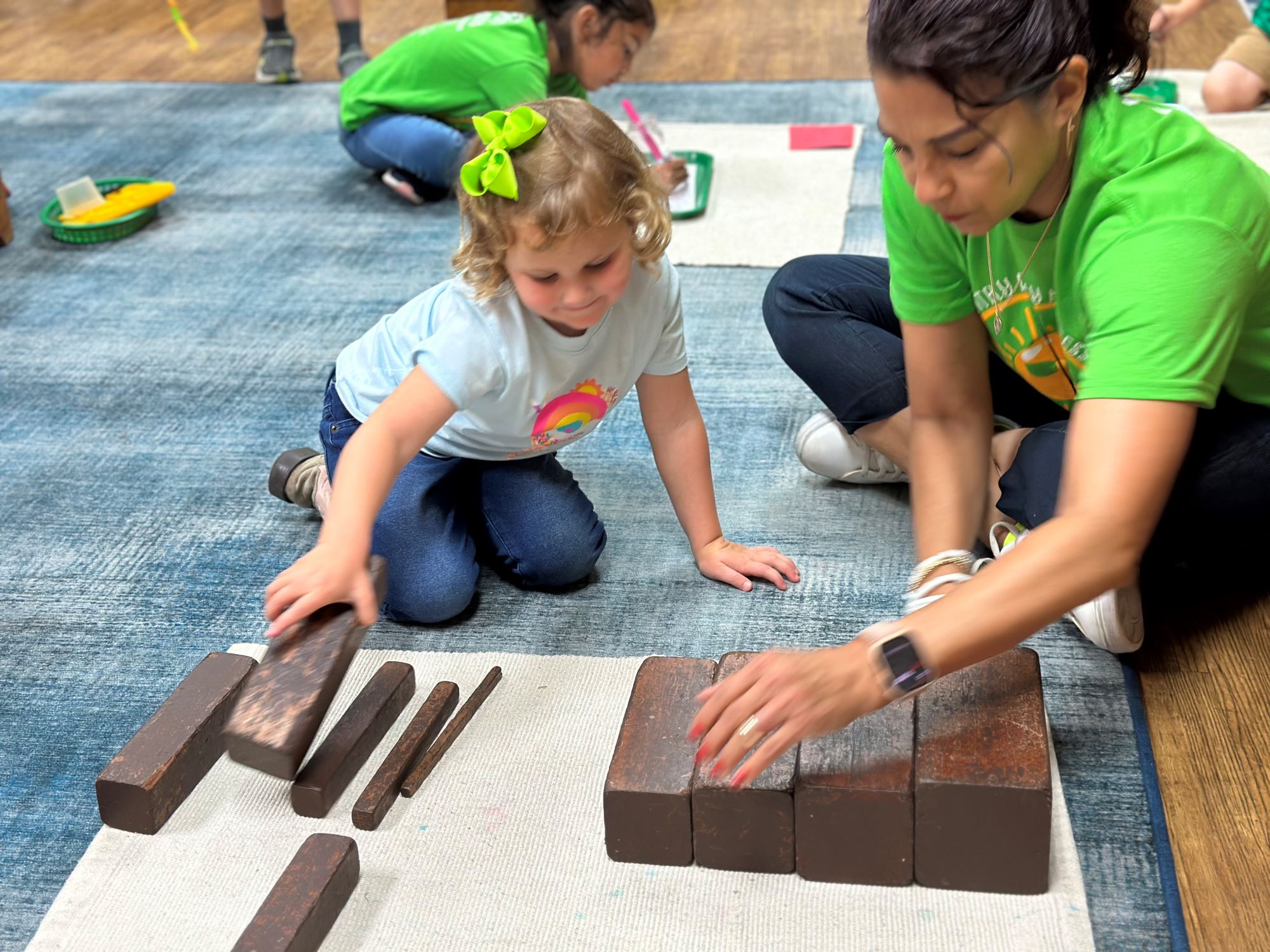
Culture shows up in small, human interactions. A guide kneels beside a child instead of calling across the room. A toddler receives a gentle hand on the shoulder instead of a rushed correction. These moments form the emotional blueprint your child absorbs daily. Ask about communication, too — how teachers update families and how often they share observations or hold conferences.
Many parents also start comparing class sizes and how children flow through the room. If you want a deeper look at why some classrooms feel calmer and more focused than others, the school’s resource on Montessori Class Size Benefits helps explain how the right numbers support that atmosphere.
The environment also matters more than most people realize. Natural light, low shelving, and intentionally placed materials all contribute to a child’s sense of order. Even your mental map of morning drop-off — maybe passing the quiet bend near Woodcrest Dr and N New Braunfels Ave — eventually becomes part of the rhythm. Small cues matter when you’re there every day.
Montessori also takes a unique approach to behavior and transitions. Instead of rewards or punishments, guides coach children through conflict, helping them name the problem, listen, and find solutions. Ask how they assist new children or those joining mid-year because their answer tells you a lot about their philosophy.
Logistics, Stability & Tuition Transparency

Many San Antonio parents need predictable hours or flexibility for commutes across town. Ask how the school handles early pickups, late arrivals, or days when a child needs extra help transitioning.
Stability matters, too. How long has the school been operating? How long have the lead guides stayed? Teachers typically build deep relationships across multi-year cycles, so longevity signals that the environment is supportive for staff and children alike.
Tuition varies widely across the city. Schools typically explain what their fees cover — materials, snacks, extended care, summer options. Look for clarity, not perfection. Transparent policies around refunds, late fees, and enrollment timelines go a long way toward building confidence.
Red Flags to Notice Early
Parents often sense red flags before they can articulate them. Trust those instincts and use these cues for confirmation:
- No lead teachers with AMI or AMS credentials
- A room that sounds chaotic or feels disorganized
- Heavy reliance on worksheets or screens
- Group lessons that dominate a child-led day
- High staff turnover
- No classroom observation allowed
- Vague answers about curriculum or behavioral approaches
The Montessori Checklist for Parents

Teacher Training & Ratios
- Certified AMI/AMS lead guides
- Low turnover
- Mixed-age classrooms
Classroom Atmosphere
- Calm, purposeful noise level
- Children choosing work independently
- Teachers observing more than directing
Curriculum & Materials
- Authentic Montessori materials
- Three-hour work cycle
- Clear lesson progression
Communication Style
- Regular updates
- Observations available
- Parent partnership emphasized
Safety & Security
- Clean, child-accessible bathrooms
- Emergency plans explained
- Safe, visible outdoor areas
Campus Feel
- Natural light and open layout
- Organized shelves
- Maintained indoor and outdoor spaces
Tuition & Policies
- Transparent fees
- Clear calendar and care options
- Predictable expectations
Red Flags
- No certified guides
- Worksheet-heavy routines
- Unclear procedures or supervision gaps
Confidence Through Clarity
Walking into a Montessori classroom feels a little like stepping into a small, self-contained universe. You’ll see tiny hands doing big things — buttoning frames, pouring water, building number chains bead by bead. And in all that quiet purpose, you’ll sense whether this is the place your child can grow.
The more you understand what to observe, the easier the decision becomes. Trust your conversations, your observations, and your child’s response to the space. Even the broader early learning principles shared by the U.S. Department of Education echo the idea that children thrive when curiosity leads and guidance supports. Learning is at its best when the environment, the guide, and the child align — and you’ll know when you’ve found that harmony.
See for Yourself
A tour gives you more than facts. It shows you how independence looks in real life, how calm a classroom can feel, and how confidently children move through their day. Those impressions stick longer than any description ever could.
If you’re ready to explore, you can start with our school’s tour scheduling details to get a feel for where your morning routine might take you. You can also call 210-496-6033 to speak with the admissions team directly.
Frequently Asked Questions
What should I expect during a classroom observation?
You’ll probably sit quietly along a wall while children work independently. Expect soft conversation, the scent of wooden materials, and a pace that feels slower than traditional preschool settings.
Do Montessori schools support children who are new to the method?
Yes. Guides are trained to introduce routines gradually, pairing new children with experienced peers and modeling expectations with patience.
Is this learning approach a good fit for energetic or shy children?
Absolutely. Montessori works precisely because it adapts to temperament. Active children get purposeful movement; quieter children benefit from calm, predictable routines.
How far do families usually commute for Montessori programs in San Antonio?
Many commute 10–25 minutes, especially those coming from the corridors around Parliament St. or Huebner Creek. Montessori programs often attract families from broader areas because authenticity outweighs proximity — once you find the right fit, the commute becomes part of the rhythm.
Have questions about Montessori in San Antonio?
Schedule a tour or visit Admissions to see openings.
Serving families in Uptown Central & Universal City