The Encino Park Educational Landscape
Families in Encino Park have access to some of San Antonio’s most sought-after educational opportunities. From highly-ranked NEISD schools to prestigious private institutions, parents in this area clearly value academic excellence and want the best possible start for their children. That’s why many are exploring early childhood options like a Montessori preschool in Encino Park, where the focus is on building strong foundations without overwhelming young learners.
However, with great opportunities often comes great pressure. Many parents—especially those in high-achieving neighborhoods like Encino Bluff, The Terraces at Encino Creek, or the Summit of Encino Canyon—find themselves wondering: How early should academic preparation begin? What does it really mean to get my child “ready” for school? And perhaps most importantly, how can I give my child the best foundation without creating stress or burnout before they’ve even started kindergarten?
These are valid concerns that reflect a broader conversation happening in high-achieving communities across the country. While the desire to prepare children for success is natural and admirable, research suggests that the most effective approach to school readiness might be different from what many parents expect.
Understanding the Pressure to “Get Ahead”
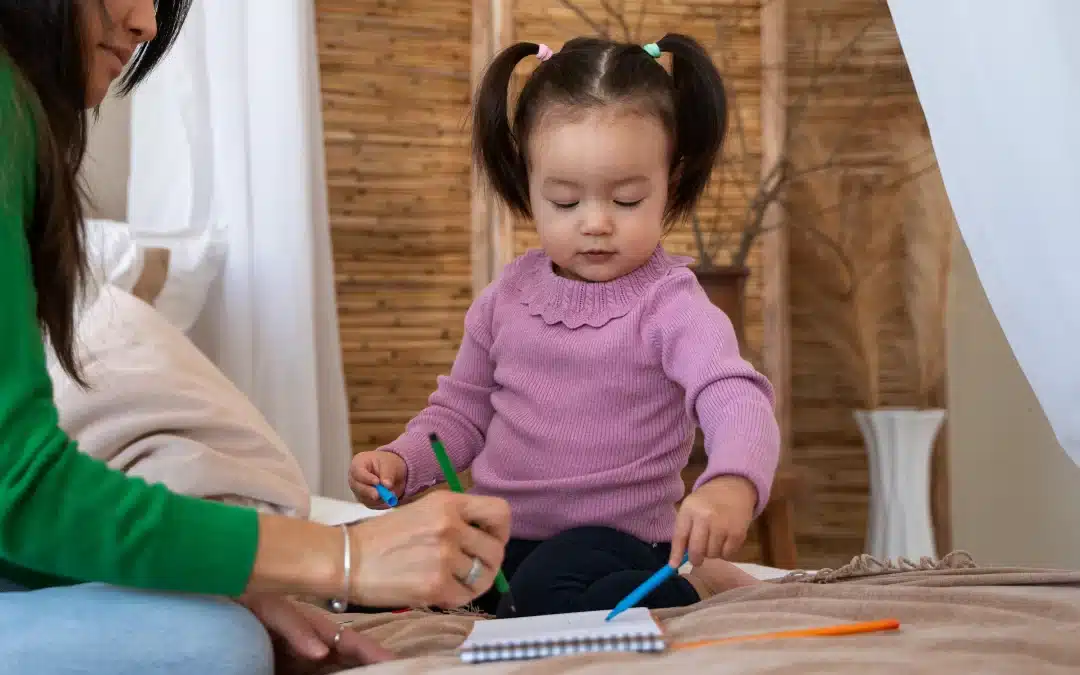
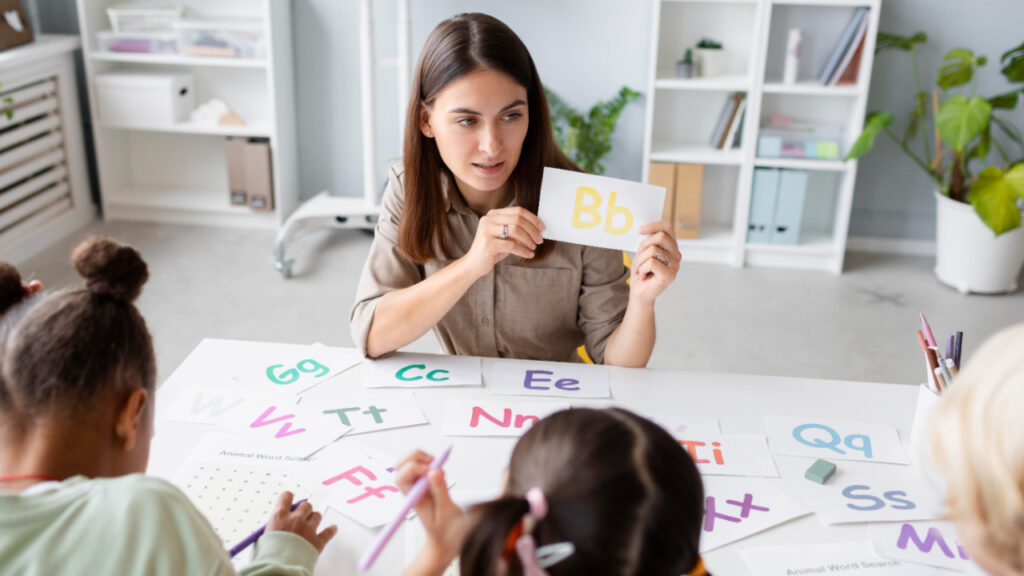
In competitive educational zones like the NEISD corridor near Bulverde Road and TPC Parkway, parents often feel compelled to start academic preparation early. This might look like drilling flashcards with toddlers, pushing letter recognition at age three, or enrolling very young children in structured academic programs. The underlying fear is understandable: Will my child be behind if they don’t start learning academics as early as possible?
This pressure can lead to well-meaning approaches that may work against long-term success. When young children are pushed into abstract academic concepts before they’re developmentally ready, several concerning patterns can emerge. They may develop anxiety around learning and performance, lose their natural curiosity and love of exploration, become dependent on external rewards rather than intrinsic motivation, or miss out on developing crucial foundational skills that support all future learning. For a deeper look at how local families are rethinking early learning, check out Encino Park Parents: Building School Readiness the Right Way.
The irony is that children who appear “advanced” in early elementary school don’t necessarily maintain that advantage over time, while children who have had strong foundational experiences often excel as academic demands become more complex.
What School Readiness Means

True school readiness encompasses much more than academic skills like letter recognition or counting. While these abilities certainly have their place, research consistently shows that other factors are far better predictors of long-term academic success and life satisfaction.
The most important school readiness skills include executive function abilities such as focus, working memory, and mental flexibility. Children need strong social-emotional skills including self-regulation, empathy, and the ability to work with others. Independence and self-confidence allow children to advocate for themselves and take on challenges. Problem-solving abilities and creative thinking help children navigate complex situations. Physical development and fine motor skills support writing and other academic tasks. Most importantly, curiosity and love of learning motivate children to engage deeply with new concepts.
These foundational skills create a strong base that supports all future learning, regardless of the specific academic content a child encounters.
The Montessori Approach to Early Development
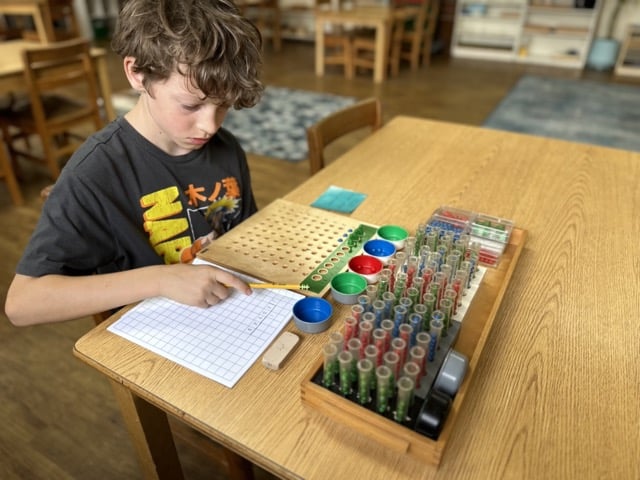
Dr. Maria Montessori’s educational philosophy, developed over a century ago, aligns remarkably well with current research on child development and school readiness. Rather than pushing academic content at young ages, Montessori education focuses on creating environments where children can develop these crucial foundational skills naturally.
Core Elements of Montessori Early Childhood Education
• Prepared Environment: Classrooms are carefully designed with materials that invite exploration and discovery, allowing children to learn through their senses and hands-on experience
• Child-Led Learning: Rather than following a predetermined curriculum, children choose activities that interest them, working at their own pace with guidance from trained teachers
• Mixed-Age Community: Children of different ages learn together, creating natural opportunities for mentorship, cooperation, and social development
• Focus on Process: Success is measured by engagement, effort, and growth rather than specific academic outcomes or comparisons to other children
This approach recognizes that young children learn best through meaningful activity, social interaction, and personal choice rather than through formal instruction or repetitive drill.
Building Executive Function Through Daily Life
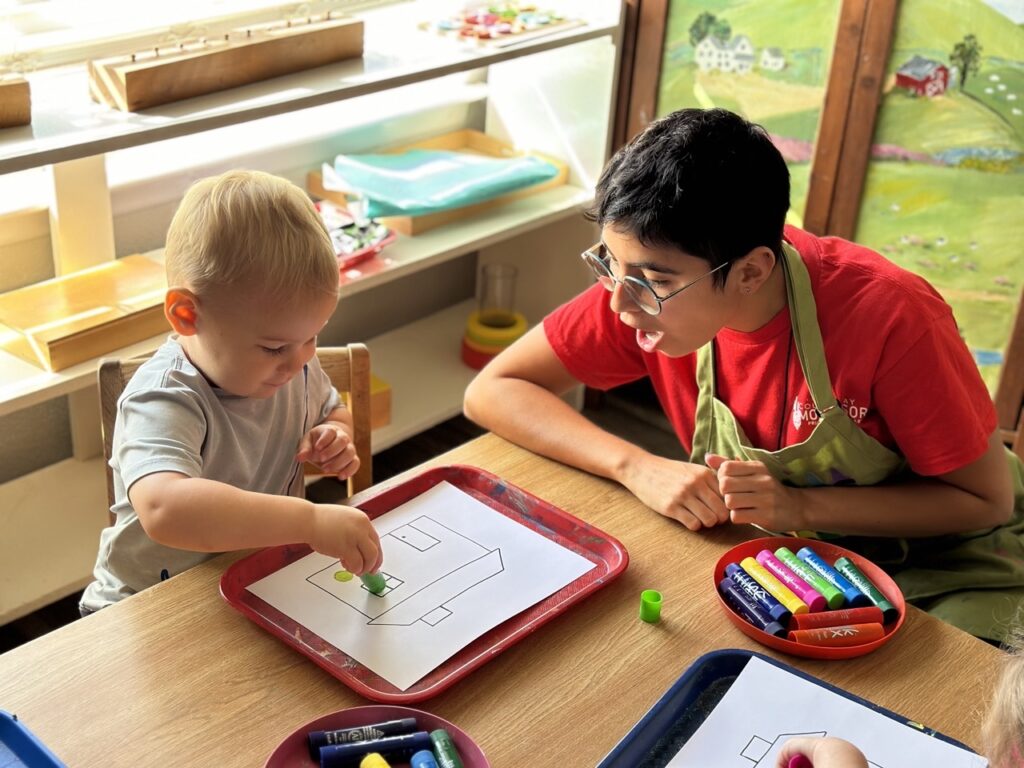
One of Montessori education’s greatest strengths is its focus on developing executive function skills through practical, meaningful activities. These cognitive abilities—which include working memory, mental flexibility, and inhibitory control—are among the strongest predictors of academic success.
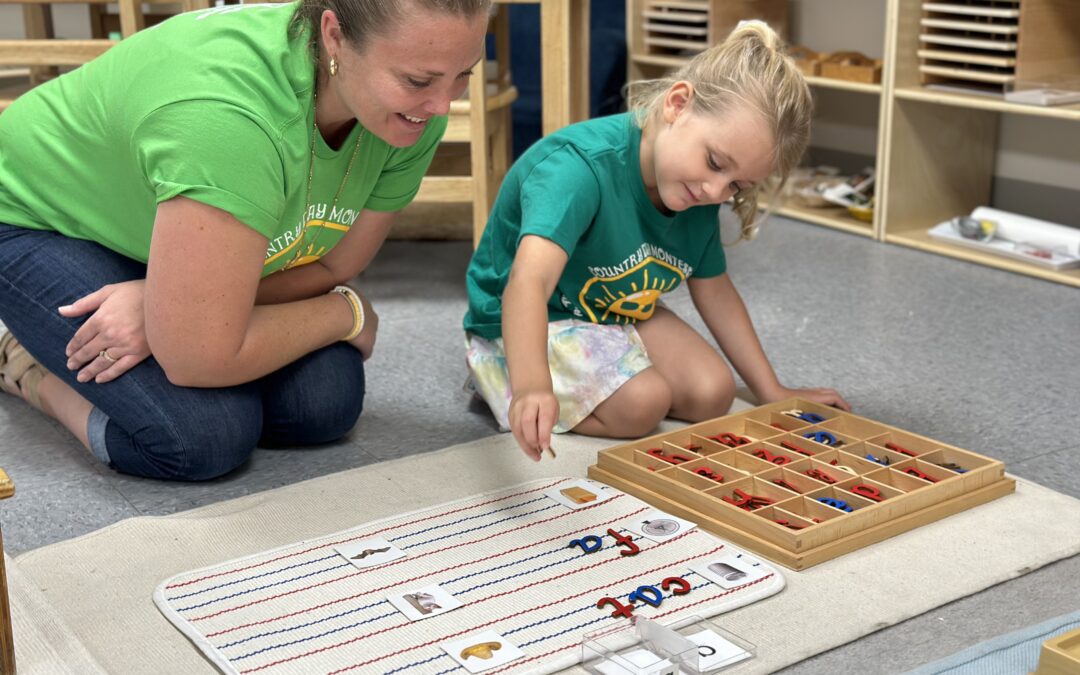
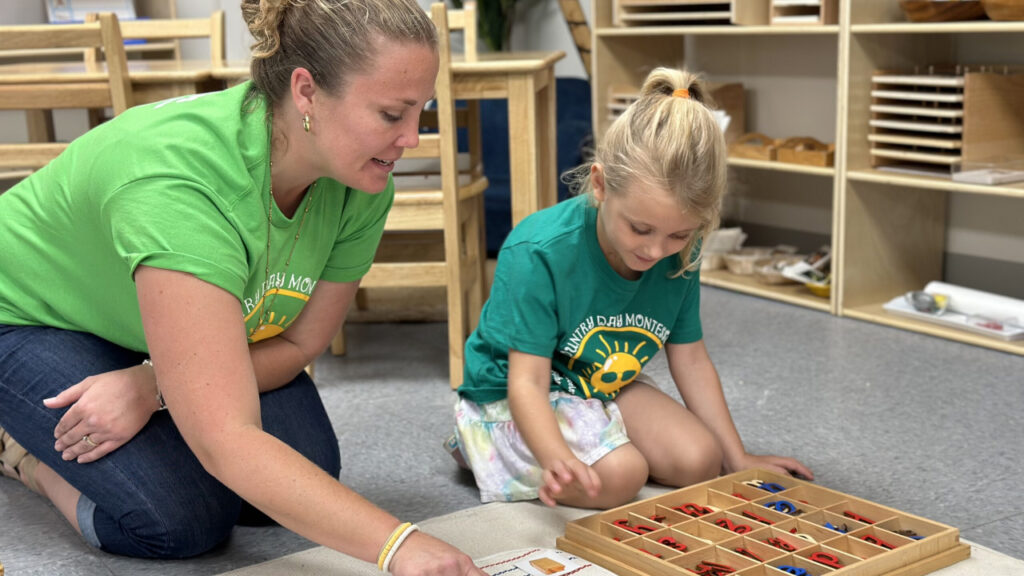
In a Montessori environment, children develop these skills naturally through daily routines and carefully designed activities. When a three-year-old learns to pour water from a pitcher into a small cup, they’re practicing focus, hand-eye coordination, and sequential thinking. When they help prepare snacks for the class, they’re working on planning, following multi-step directions, and considering the needs of others.
These practical life activities might seem simple, but they’re building the cognitive infrastructure that will support complex academic work later. Children who have mastered the ability to focus on chosen work, remember multi-step processes, and adapt when things don’t go as planned are well-prepared for the demands of formal schooling.
Fostering True Independence
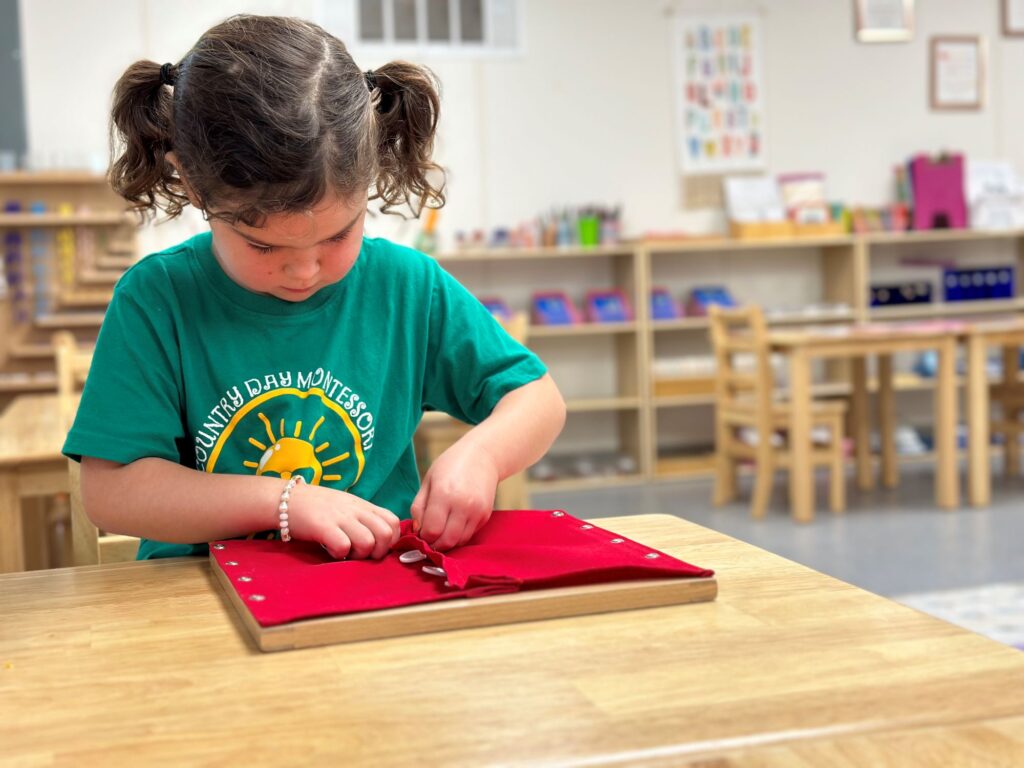
Many parents want their children to be independent, but true independence goes beyond following rules or completing tasks when asked. It involves the confidence to make choices, the ability to solve problems, and the internal motivation to engage with challenges.
Montessori environments cultivate independence by giving children real responsibilities and meaningful choices throughout their day. Children learn to care for themselves and their environment, choose their work based on interest and need, help others and contribute to their community, and evaluate their progress and set personal goals.
This type of independence creates children who see themselves as competent. When they encounter challenges in school, they’re more likely to persevere, ask for appropriate help, and maintain confidence in their ability to learn.
Social-Emotional Development in Mixed-Age Settings
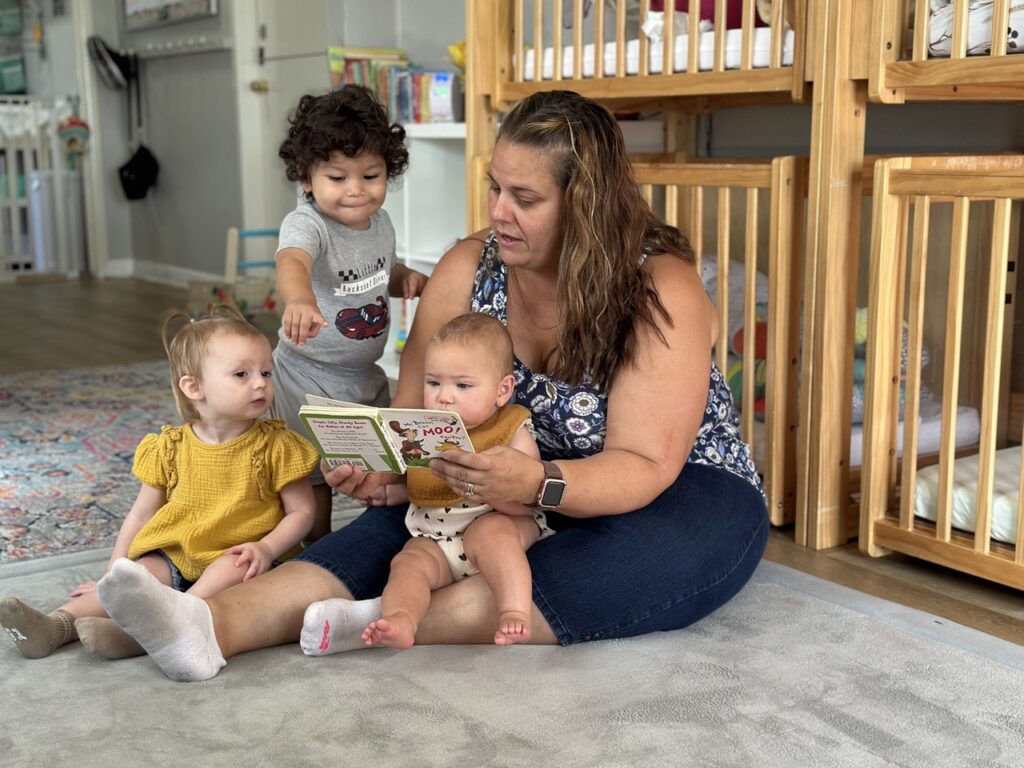
Traditional early childhood programs often group children strictly by age, but research suggests that mixed-age environments offer unique benefits for social-emotional development. In Montessori classrooms, children typically span a three-year age range, creating natural opportunities for leadership, mentorship, and cooperation.
Younger children benefit from observing and learning from older peers, while older children develop leadership skills and deepen their own understanding by helping others. This environment reduces competition and comparison while fostering empathy and community feeling.
These social skills translate directly to school success. Children who can work collaboratively, resolve conflicts peacefully, and show empathy for others are better equipped to thrive in classroom communities and focus on learning.
The Role of Curiosity and Intrinsic Motivation
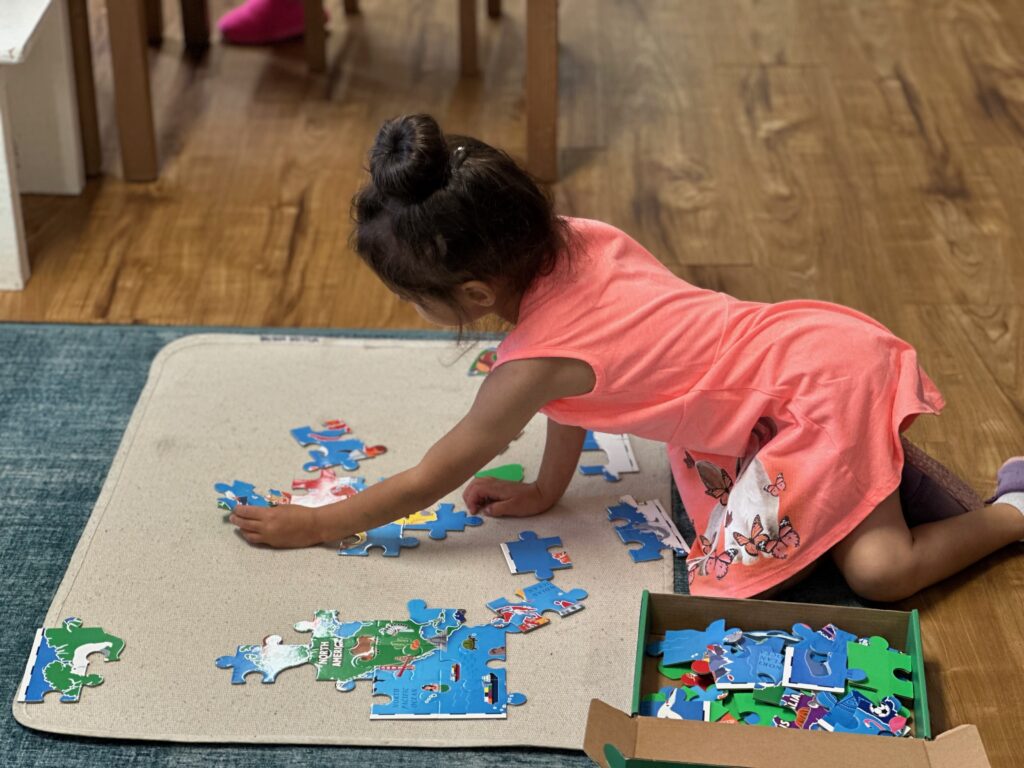
Perhaps most importantly, Montessori education preserves and nurtures children’s natural curiosity and love of learning. Rather than relying on external rewards like stickers or grades, children learn because the activities themselves are interesting and meaningful.
This intrinsic motivation is crucial for long-term academic success. Children who associate learning with joy and discovery are more likely to remain engaged as academic content becomes more challenging. They develop what researchers call a “growth mindset”—the belief that abilities can be developed through effort and practice.
Practical School Readiness at Home
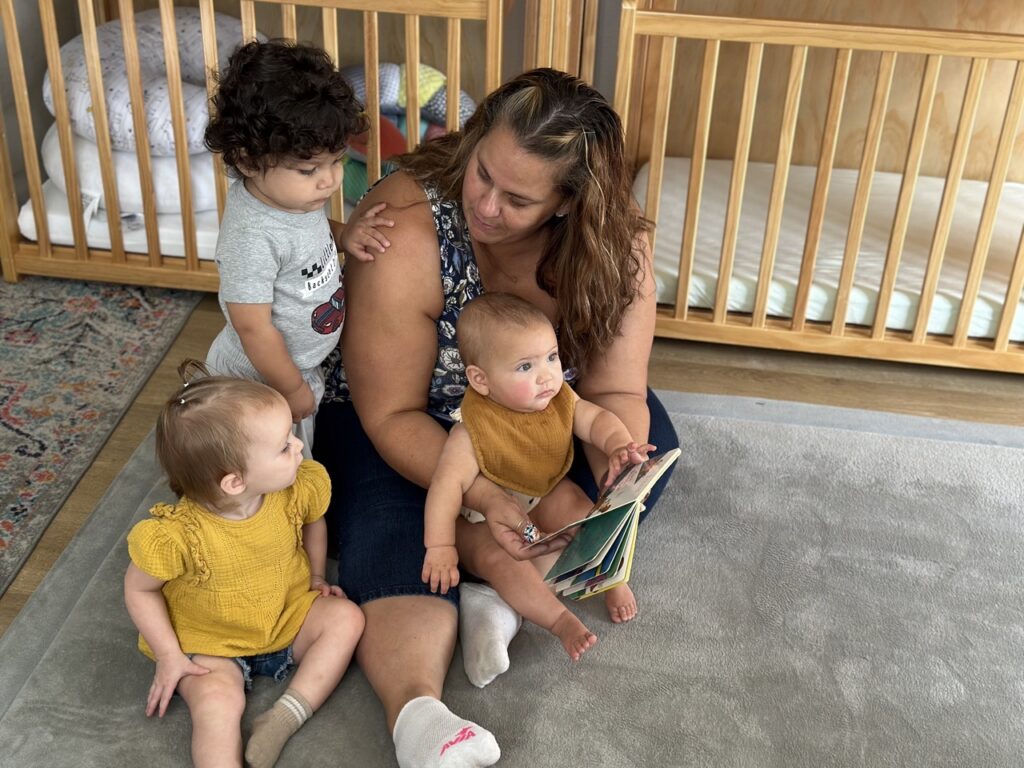
Parents don’t need to enroll in a Montessori program to apply some of these principles at home. Simple changes to daily routines can help build the foundational skills that support school readiness.
Consider involving children in real household tasks appropriate to their age, such as setting the table, folding laundry, or helping with meal preparation. Allow time for self-directed play and exploration rather than filling every moment with structured activities. Read together regularly, but also encourage children to tell their own stories and express their ideas. Practice patience with your child’s natural learning pace rather than pushing academic content before they show interest.
Create opportunities for your child to make choices and solve problems independently, stepping in to help only when necessary. Encourage curiosity by answering questions thoughtfully and exploring topics that interest your child.
Choosing the Right Early Childhood Program
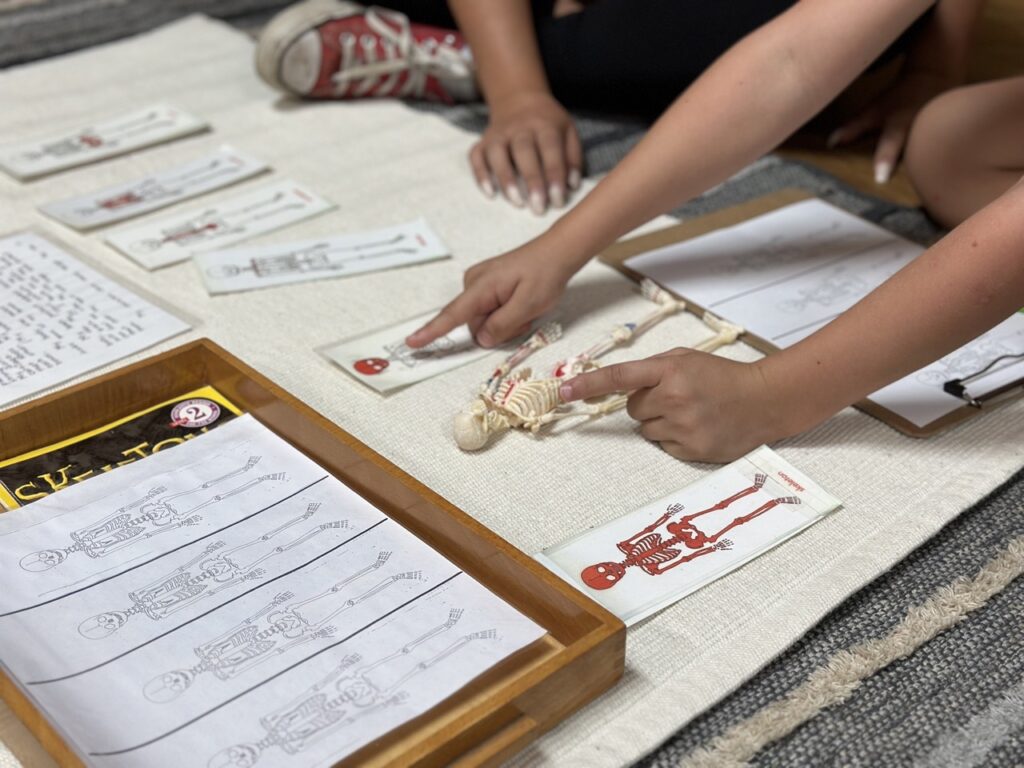
When evaluating preschool or early childhood programs, consider looking beyond academic claims to understand the program’s underlying philosophy and approach. Programs that support school readiness effectively typically emphasize play-based learning appropriate to young children’s developmental needs, opportunities for choice and self-direction within a structured environment, focus on social-emotional development alongside cognitive growth, and respect for individual differences in learning styles and paces.
They also maintain reasonable adult-to-child ratios that allow for individual attention, include outdoor time and physical activity as part of daily routines, and communicate regularly with families about children’s growth and development.
The Long-Term Perspective
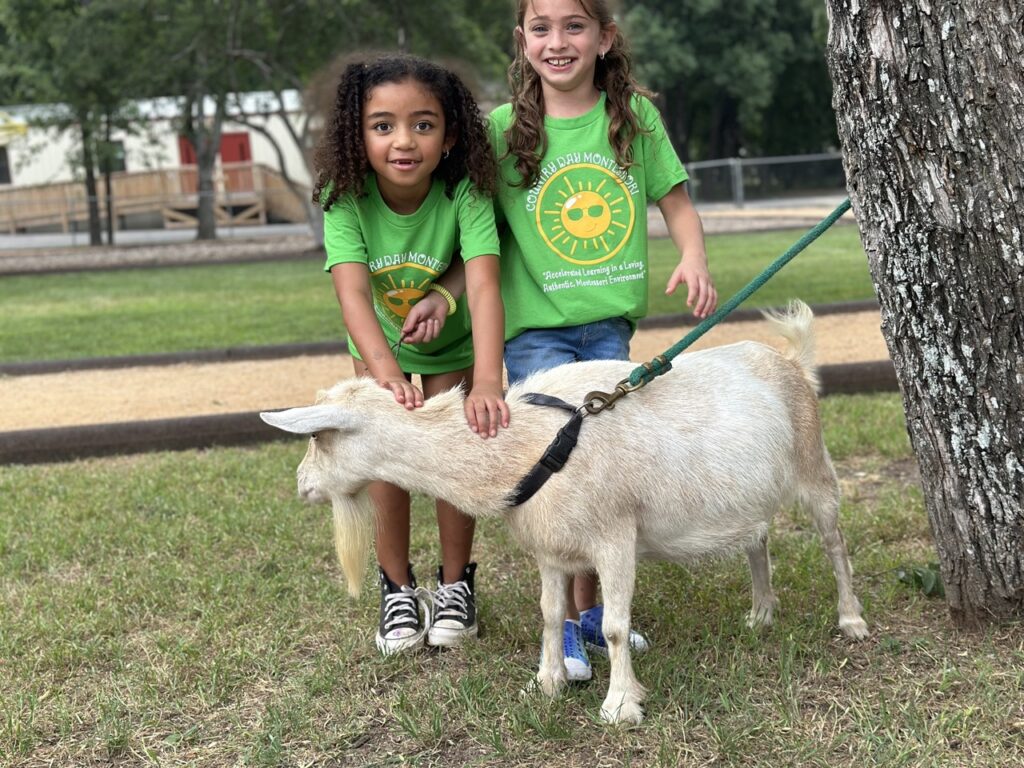
When thinking about school readiness, it’s helpful to consider what you hope for your child not just in kindergarten, but throughout their educational journey and beyond. Most parents want children who are confident learners, good friends, creative problem-solvers, and resilient individuals who can adapt to challenges.
These qualities develop through experiences that honor children’s natural development, provide appropriate challenges, and foster intrinsic motivation. They’re less likely to emerge from premature academic pressure or environments that prioritize performance over development.
Supporting Your Child’s Unique Timeline
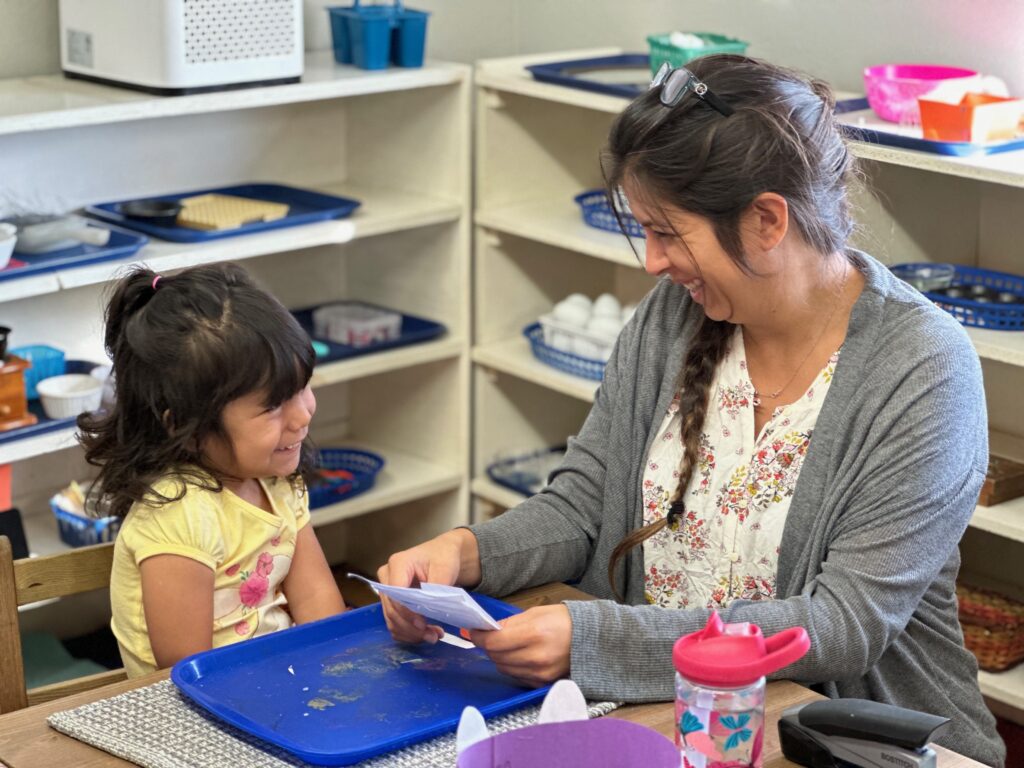
Every child develops at their own pace, and school readiness looks different for different children. Some four-year-olds show strong interest in letters and numbers, while others are more focused on social relationships or physical challenges. Both paths can lead to school success when children’s individual interests and developmental needs are respected.
Rather than comparing your child to others or worrying about specific milestones, focus on supporting their overall development across all domains. A child who enters school as a confident, curious, and capable individual is well-prepared for learning, regardless of their specific academic skills at that moment.
Frequently Asked Questions About School Readiness
How can I tell if my child is truly ready for kindergarten?
Look for signs of overall development rather than specific academic skills. Can your child separate from you comfortably for several hours? Do they show interest in learning new things? Can they focus on chosen activities for appropriate periods? Do they interact positively with other children and adults? These foundational skills matter more than whether they can write their name or count to 100.
Should I hold my child back a year if they seem "young" for their grade?
This decision depends on many individual factors including your child's overall development, birthday timing, and specific needs. Consider consulting with early childhood professionals who know your child well. Sometimes what looks like "not being ready" is actually a mismatch between the child's learning style and the program's approach, rather than a maturity issue.
How much structured learning should my preschooler have at home?
Young children learn best through play, exploration, and meaningful daily activities rather than formal lessons. Focus on reading together, having conversations, involving them in real tasks, and providing opportunities for creative play. Brief, child-initiated explorations of letters, numbers, or other concepts are fine, but shouldn't replace play-based learning.
What if the kindergarten my child will attend emphasizes academics heavily?
Even if your child's future school has an academic focus, the best preparation is still a strong foundation in the areas discussed above. Children with well-developed executive function, social skills, and intrinsic motivation adapt better to any school environment. You can also communicate with teachers about your child's learning style and needs, and provide balance at home with plenty of play and family time.
Moving Forward with Confidence
Building school readiness doesn’t require expensive programs, extensive drilling, or pushing your child beyond their developmental stage. It does require understanding what truly prepares children for learning success and creating environments—whether at home or in early childhood programs—that support their natural development.
Trust in your child’s innate desire to learn and grow. Provide them with rich experiences, loving support, and opportunities to develop confidence in their own abilities. Focus on the joy of discovery rather than the pressure of performance.
Remember that school readiness is not a race. Children who enter kindergarten as confident, curious, and capable individuals are well-prepared for the learning journey ahead, regardless of whether they’re already reading or still learning to write their names.
The goal isn’t to create a “superkid” who can outperform others, but rather to nurture a whole child who approaches learning with enthusiasm, resilience, and joy. This foundation will serve them well not just in kindergarten, but throughout their educational journey and beyond.
Every child develops at their own pace and has their own unique strengths. The most important gift you can give your child is confidence in their ability to learn and grow, along with the foundational skills that support all future learning.
*Note: This blog is for informational purposes only and does not substitute for professional educational or medical advice.
Citations:
- Assessment of School Readiness and the Importance of Executive Function (2023, PMC10503423)
- Executive functions and school readiness intervention (PMC3205459)
- Pathways to school readiness: Executive functioning predicts…
- What Research Says About Montessori (Montessori.org)
- 5 Benefits of Mixed Age Groups in Early Childhood Learning (UninHanoi.org)
- Montessori method has ‘strong and clear’ impact on student outcomes (K12Dive, 2023)
- Mixed-Age Classrooms in Preschool (Brightwheel, 2025)
- Executive Function: Implications for Education (IES.gov)
- Montessori Preschool Elevates and Equalizes Child Outcomes (Frontiers in Psychology, 2017)
- How mixed age classrooms offer a unique approach (OECD Edutoday, 2024)
- Montessori education’s impact on academic and nonacademic outcomes: A systematic review (PubMed, Campbell Systematic Reviews, 2023)
- The Benefits of Mixed-Age Grouping. ERIC Digest., 1995
- What Is a Mixed-Age Classroom and How Does It Benefit Your Child? (Apple Montessori)