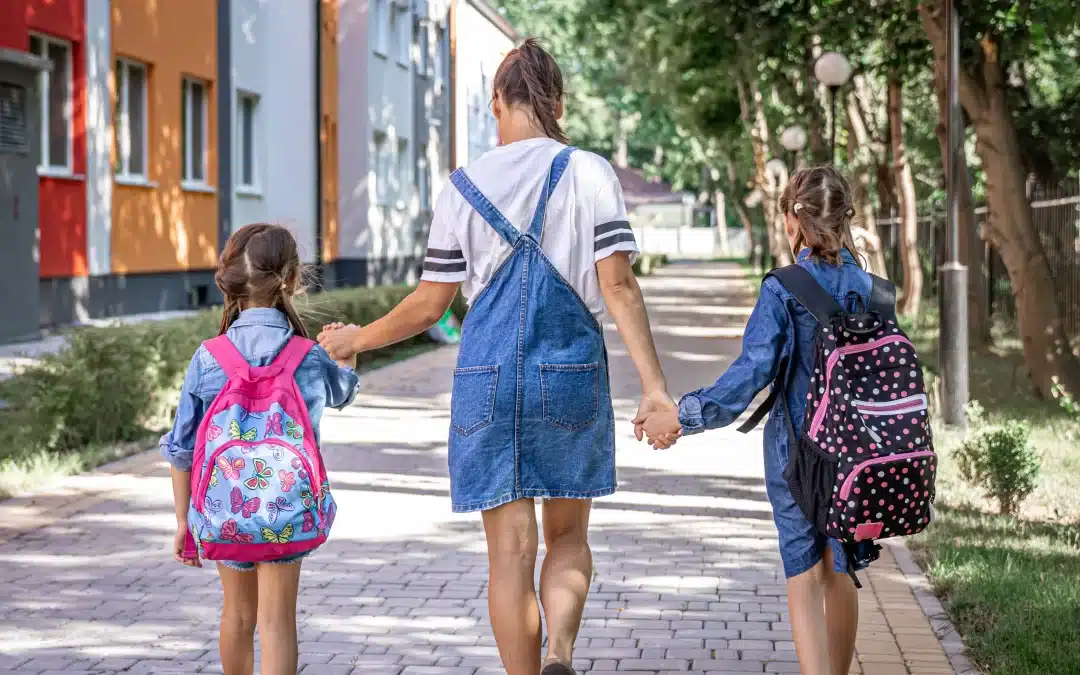
Choosing your child’s school isn’t something you do on autopilot. It’s a turning point that shapes how children learn, think, and respond to the world around them. Families across San Antonio quickly realize this choice touches far more than academics. It influences confidence, curiosity, and even the feel of everyday life. If you’re just beginning the search, visiting programs and seeing classrooms in action is one of the clearest ways to understand what truly sets each approach apart.
Many parents expect a simple comparison at first—two columns, a few pros and cons. But once they dig in, it becomes clear these models diverge sharply in philosophy, pacing, and how they view the child’s role in learning. For families who value more than test scores and see independence as a real developmental skill, Montessori learning often becomes a compelling option.
Why These Two Feel So Different
At the heart of their differences is how each model sees the child.
Montessori assumes children are capable and ready to grow when given the right environment. The classroom revolves around their developing independence. Lessons unfold at each child’s pace. In a traditional private school, the teacher leads the learning. The pace is set externally, and students move forward as a group, even if some aren’t quite ready.
It often comes down to a simple question: Who’s driving the learning, the adult or the child?
How Philosophy Shapes the Experience
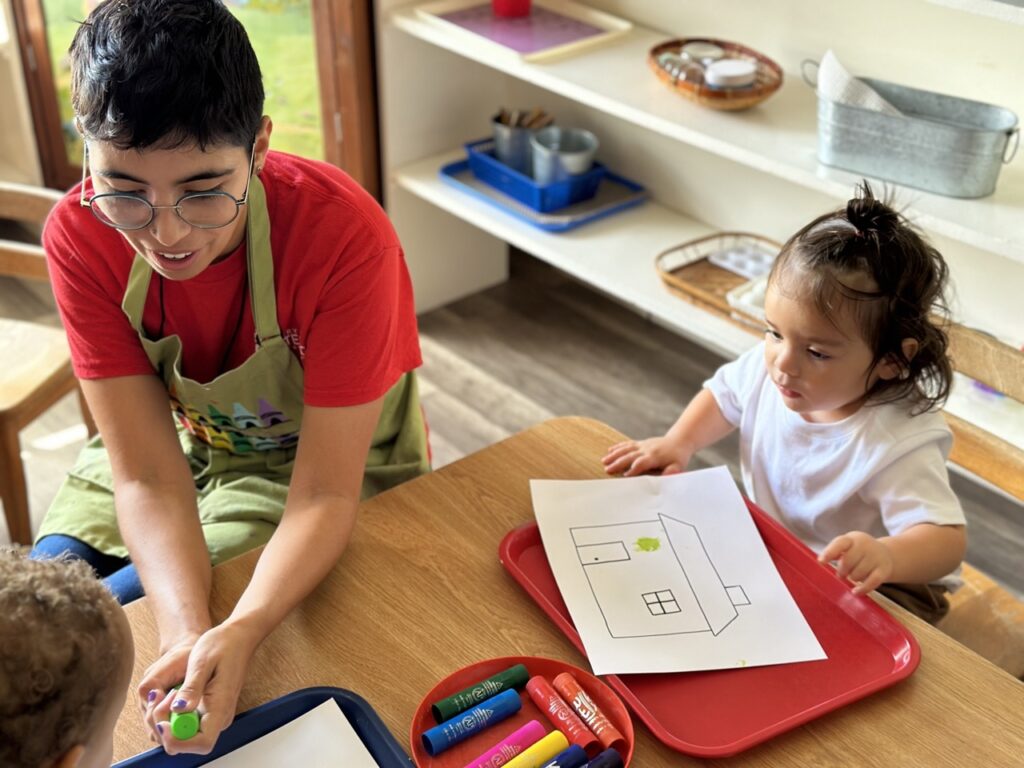
Both models support learning. They just go about it in very different ways.
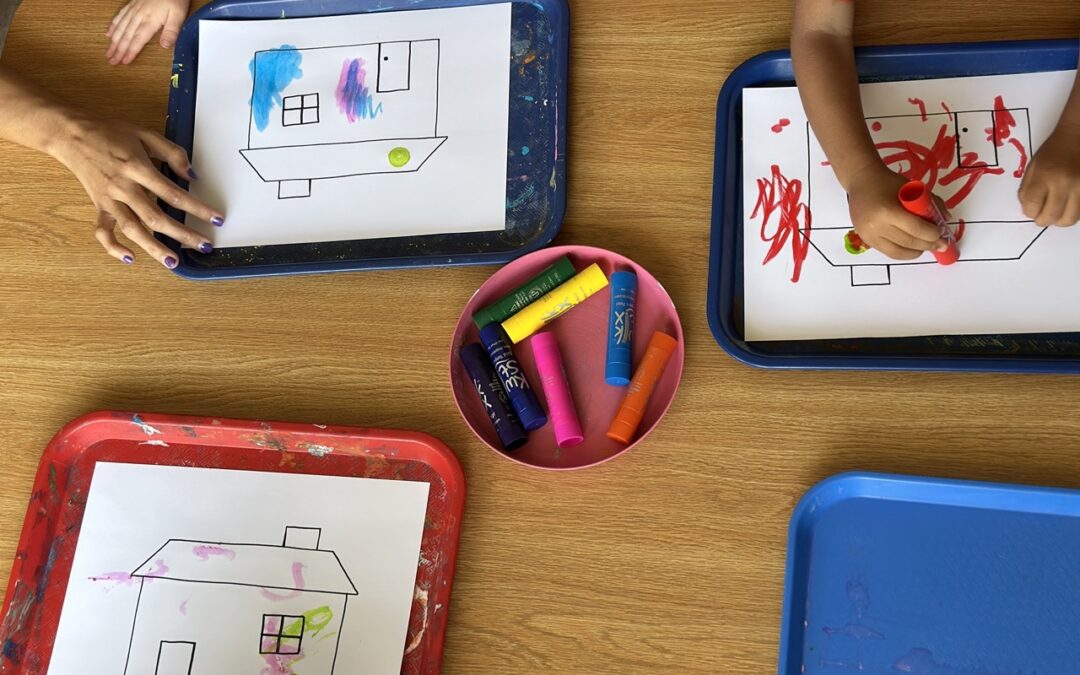
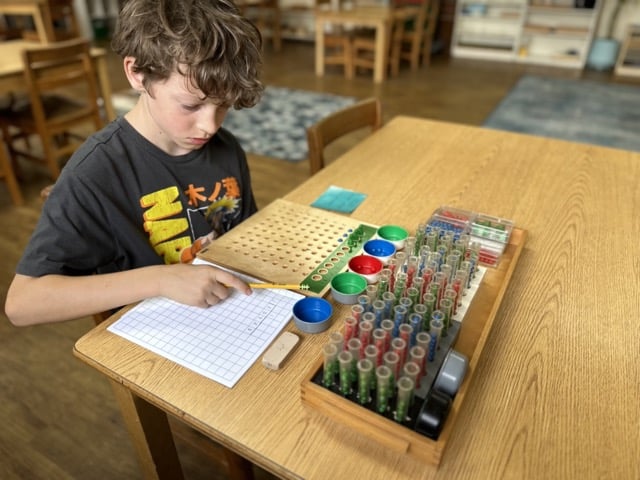
A Montessori classroom hums with quiet movement. A younger child might be building number chains while an older peer works through reading practice nearby. Children stay focused because they’re engaged in work they chose.
A traditional private classroom is more synchronized. The teacher directs the lesson, and everyone works on the same task. It’s familiar, structured, and often a comfortable fit for children who like clear guidance.
The Environment: What Kids Touch, Hear, and Feel
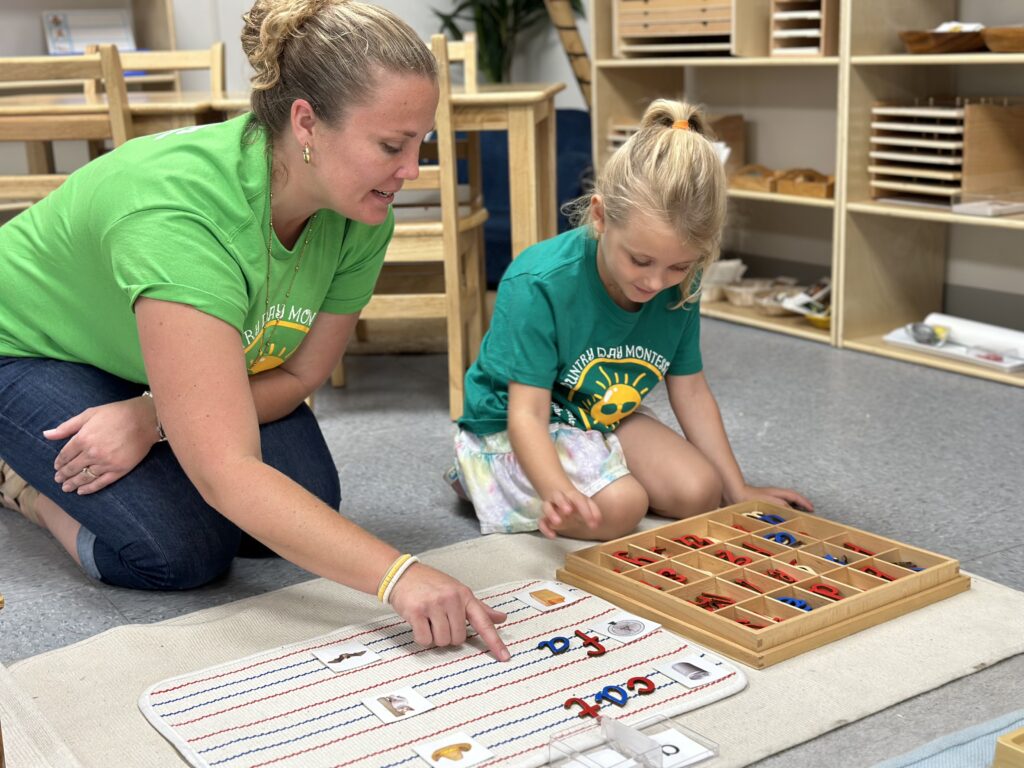
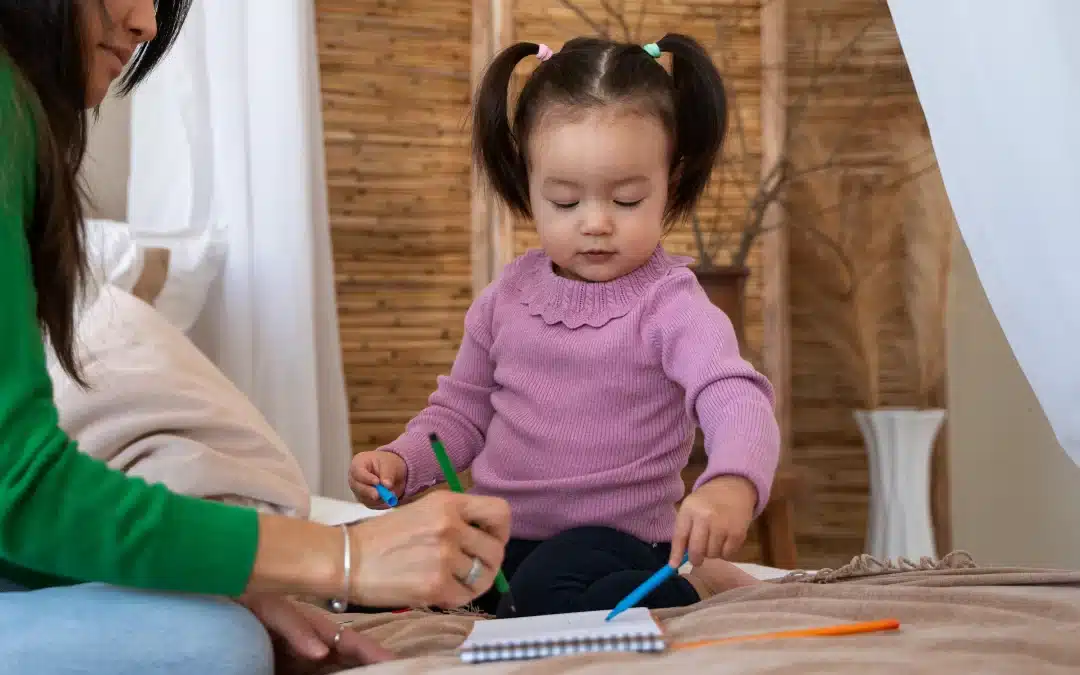
Country Montessori child joyfully playing together with a wooden board, fostering creativity and bonding through play
Montessori spaces are intentionally designed to settle the senses. Light, quiet, and order set the tone. The materials—wooden letters, puzzle maps—invite children to explore concepts with their hands before moving toward abstraction. There’s something grounding about it.
Traditional private schools rely more on textbooks, devices, and worksheets. There are more whole-group instructions, more transitions, and a busier atmosphere. Some children find that energy motivating; others get overwhelmed by it.
Most parents know within a few minutes which environment fits their child better.
Academic Growth: What Research Actually Shows

Parents often stress about academic standards, but the research is encouraging. Montessori students tend to build strong executive functioning—planning, concentrating, and problem-solving—because they practice those skills daily through self-directed work.
Harvard’s Graduate School of Education puts it simply: children develop deeper academic understanding when they’re given meaningful choices and time to think. Their research on intrinsic motivation shows why this matters far more than stickers, grades, or checklists.
Traditional private schools offer their own strengths. Predictability and routine can help some children feel secure and ready to learn. Both models teach academics; they just use different tools to get there.
Social & Emotional Development: Where Paths Diverge

For many parents, the social side becomes the deciding factor. Montessori directly teaches how to ask for help, how to solve a conflict respectfully, how to care for the classroom community. Mixed-age groups give younger children built-in mentors and older children natural leadership roles.
Traditional private schools often rely on teacher-managed systems such as color charts, rewards, or disciplinary steps. These keep classrooms orderly, but they lean heavily on external reinforcement.
Montessori learners tend to approach conflict with surprising calm. That’s not an accident—it’s something they rehearse and internalize over time.
Supporting Different Learners: Who Thrives Where
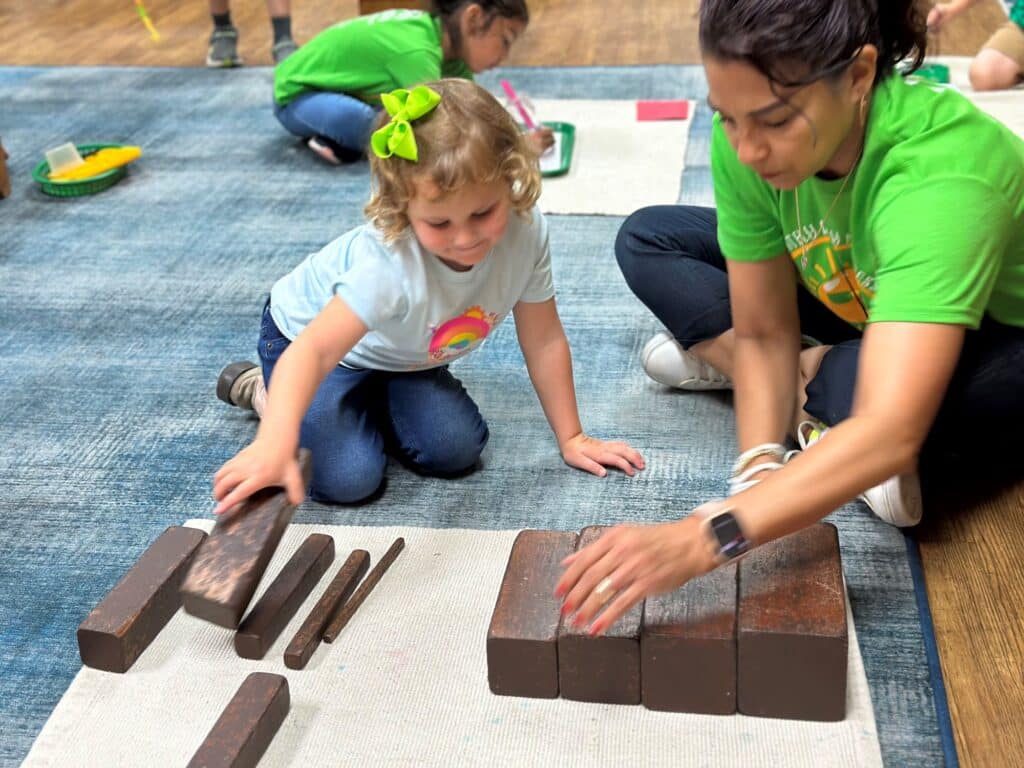
Montessori doesn’t suit every child, but it supports many who are curious, hands-on, observant, or sensitive to fast transitions. With flexible pacing, students can dive deeper where they excel and take their time where they need practice.
Some children, however, prefer traditional private settings. They like direct instruction and want a teacher guiding each step. The clear routines can help them feel grounded and confident.
Families who’ve compared both models often find the former’s steady rhythm aligns better with their child’s temperament.
Practical Realities Parents Often Overlook
Beyond teaching style, the daily flow matters. Montessori classrooms protect long, uninterrupted work periods. That stability can lower stress and help children stay focused. Traditional private schools break the day into shorter blocks, which creates more variety but sometimes interrupts concentration.
Cost works the same way—there’s more to it than a single tuition number. Materials, uniforms, supply lists, and extended-day programs can vary widely. To get a clearer picture, reviewing tuition and enrollment details can help families compare programs fairly.
What Makes a School Truly Montessori
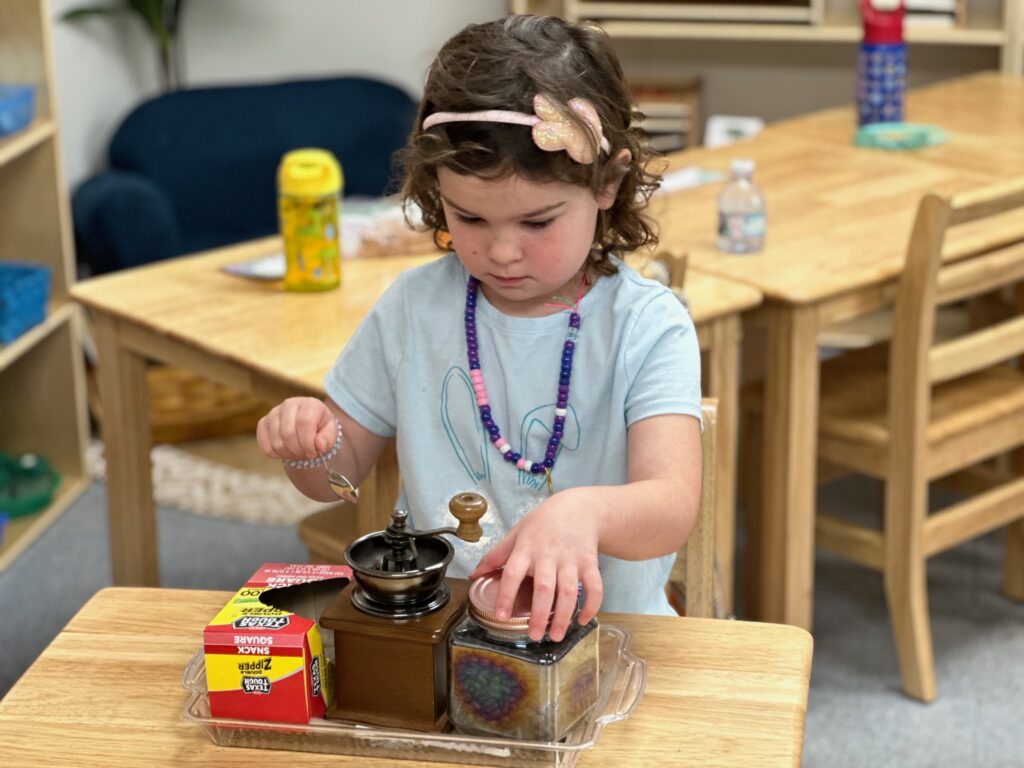
The name is used widely, but not always accurately. Authentic programs include trained guides, multi-age groups, hands-on materials, and an environment built for child-led work. If a classroom looks more like a traditional setup—with whole-group lessons dominating the day—it’s worth taking a closer look.
Because the commute affects daily life as much as the classroom, many parents check routes through Windsor Park before visiting. The neighborhood’s quieter streets help families imagine drop-off routines and the overall rhythm of the day. Reviewing the campus map before your tour also helps you visualize nearby roads and the general flow around the school.
When to Choose Montessori And When Not To
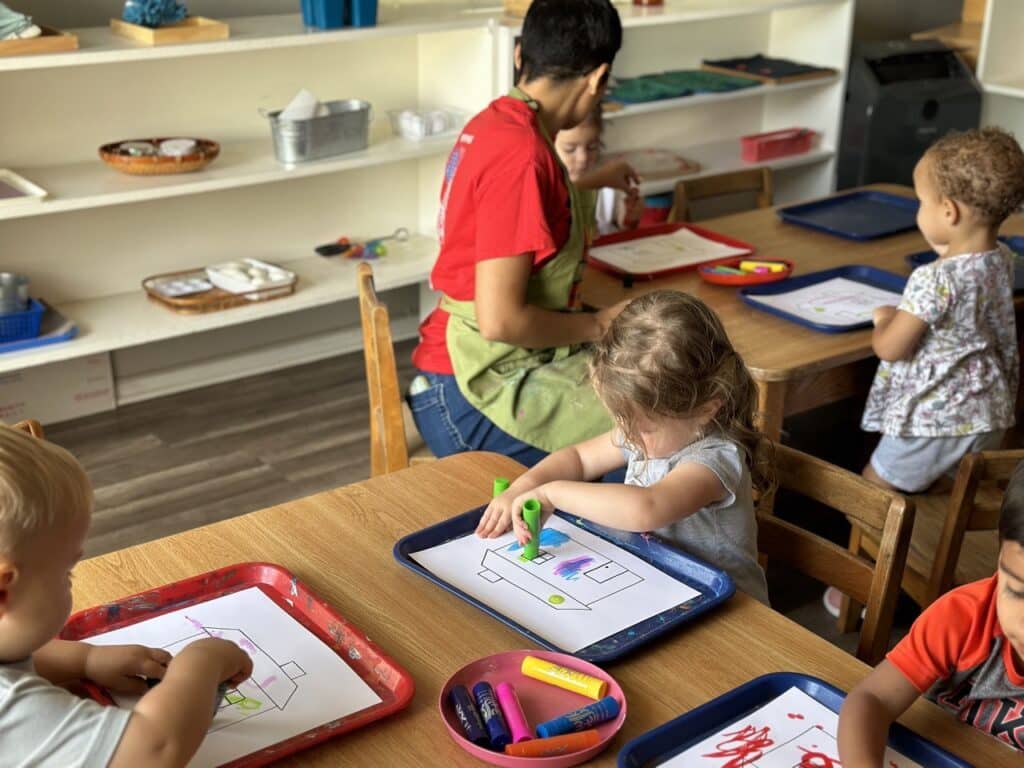
This learning method tends to work beautifully for children who need space to think, who don’t enjoy constant transitions, or who naturally explore ideas through touch and movement. These students often grow quickly when given freedom within structure.
Traditional private schools may be a better fit for children who thrive under clear instructions and predictable routines. Some kids simply feel more at ease when the next step is spelled out.
There’s no universal answer. The best choice aligns with your child’s temperament and what helps them feel secure and motivated.
Summary: Which Model Delivers More?

Both approaches offer benefits, but Montessori tends to support the whole child—academically, socially, and emotionally. The focus on self-direction and curiosity builds habits that last. Traditional private schools offer structure and familiarity, and many children do well with that model.
The real question isn’t which model wins. It’s which one helps your child grow in the way they need most.
And if you’re curious about what questions to ask during a school tour, you might want to read our related blog to help you arrive at a more informed decision.
See the Principles in Action
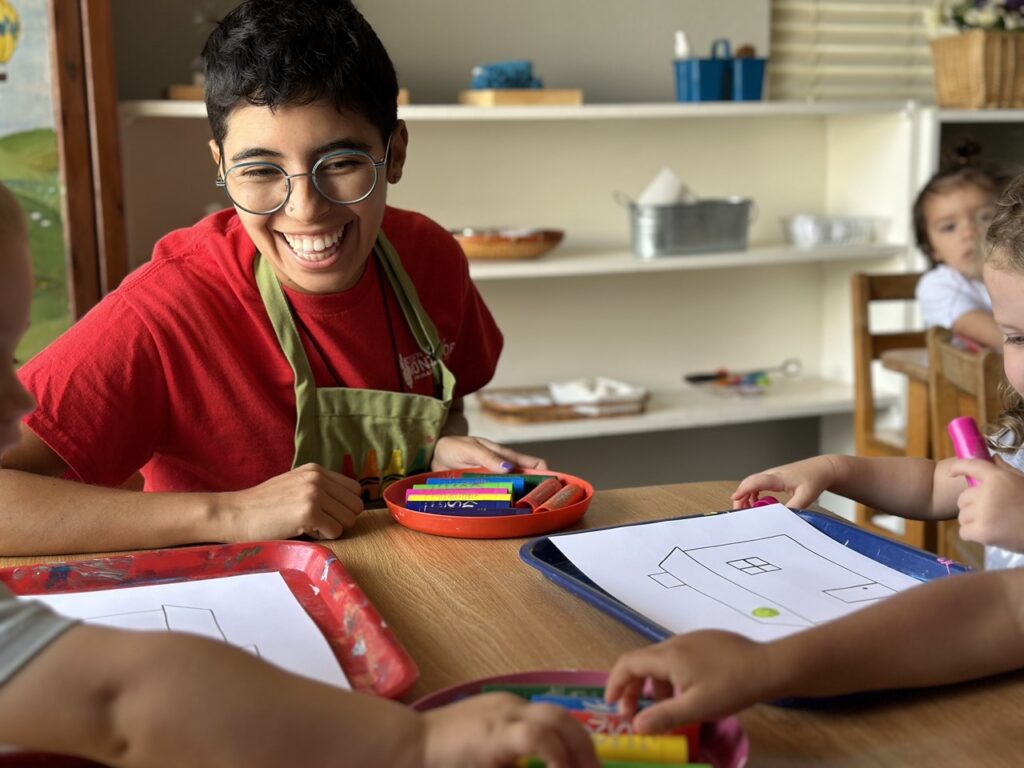
The best way to understand the approach is to watch it in motion. A short classroom observation often offers more insight than hours of online research.
If you’re coming from the neighborhoods around Round Table Dr and King Arthur Dr, going to Country Day follows a simple, calm stretch of local roads—something busy parents appreciate during morning drop-off.
You can book a visit or call 210-496-6033 to connect with the admissions team. They’ll help you find a time to tour the campus and see the classroom environment yourself.
Frequently Asked Questions
Is the approach too unstructured for active or energetic children?
Surprisingly, no. The learning style in classrooms allows movement and choice, which gives active children a productive outlet. Many parents say their energetic kids thrive because they aren’t forced to sit still all day.
Does the method teach enough reading and math?
Yes. It introduces literacy and numeracy through hands-on materials that make concepts intuitive. Many families notice their children grasp these skills earlier than expected.
How does this teaching style handle behavior challenges?
Guides focus on respectful communication and natural consequences rather than charts or public correction. As a result, children often develop stronger emotional awareness.
What age is best to start Montessori?
Many families begin at age three, though earlier entry can help children settle into routines more naturally. Parents often find that early habits carry over into smoother home routines, too.