You can walk into a classroom and feel it—whether the space is working for children or working against them. The difference often isn’t décor, materials, or even teaching style. It’s class size. And in Montessori, where attention to each child’s rhythm is everything, the number of students in the room can make or break the experience.
Parents in San Antonio have plenty of choices, so it’s easy to get swept up comparing curriculum labels and school philosophies. But if you step back and look at the schools that truly honor a child’s pace, you’ll notice a pattern: fewer students mean more meaningful growth. Families often notice this while researching schools online—especially when browsing through a Montessori school’s early learning environment—and it becomes even clearer once they step into a classroom.
What Small Class Size Truly Means
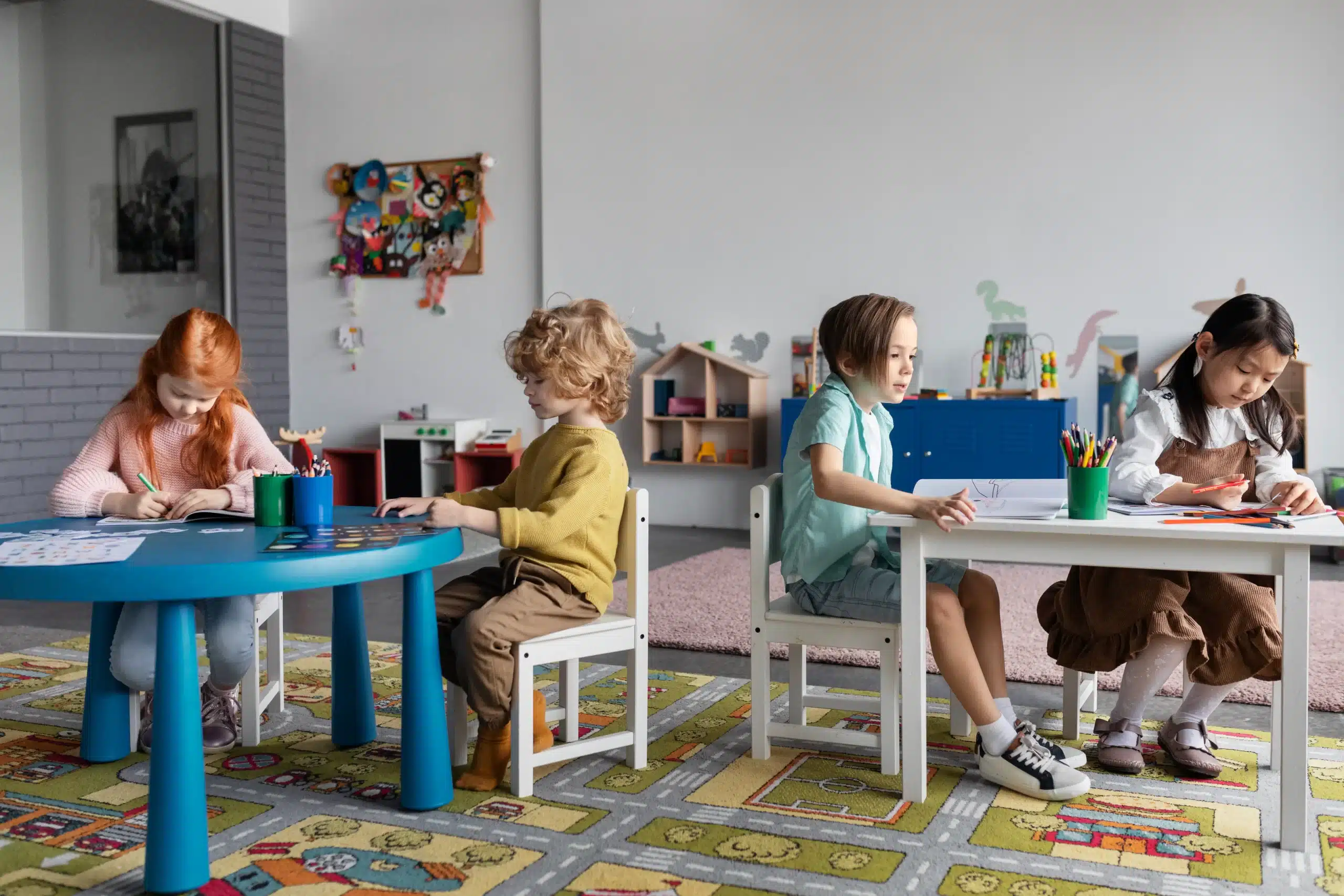
A small Montessori classroom is not simply a smaller version of a traditional one. It’s a carefully structured ecosystem where mixed ages, open-ended materials, and long work cycles shape how children move through their day. So, when we talk about class size here, we’re not just counting heads. We’re talking about the number of children a guide can truly observe, support, and tailor lessons for.
Ratios matter, of course, but Montessori education relies more on functional class size. This refers to how many children are actively engaging with materials at a given time, how many need direct lessons, and how many move independently without disrupting others. When that balance holds, the classroom feels spacious even when every seat is taken. When it doesn’t, the environment loses its flow and learners feel it first.
Individualized Attention: The Real Academic Engine
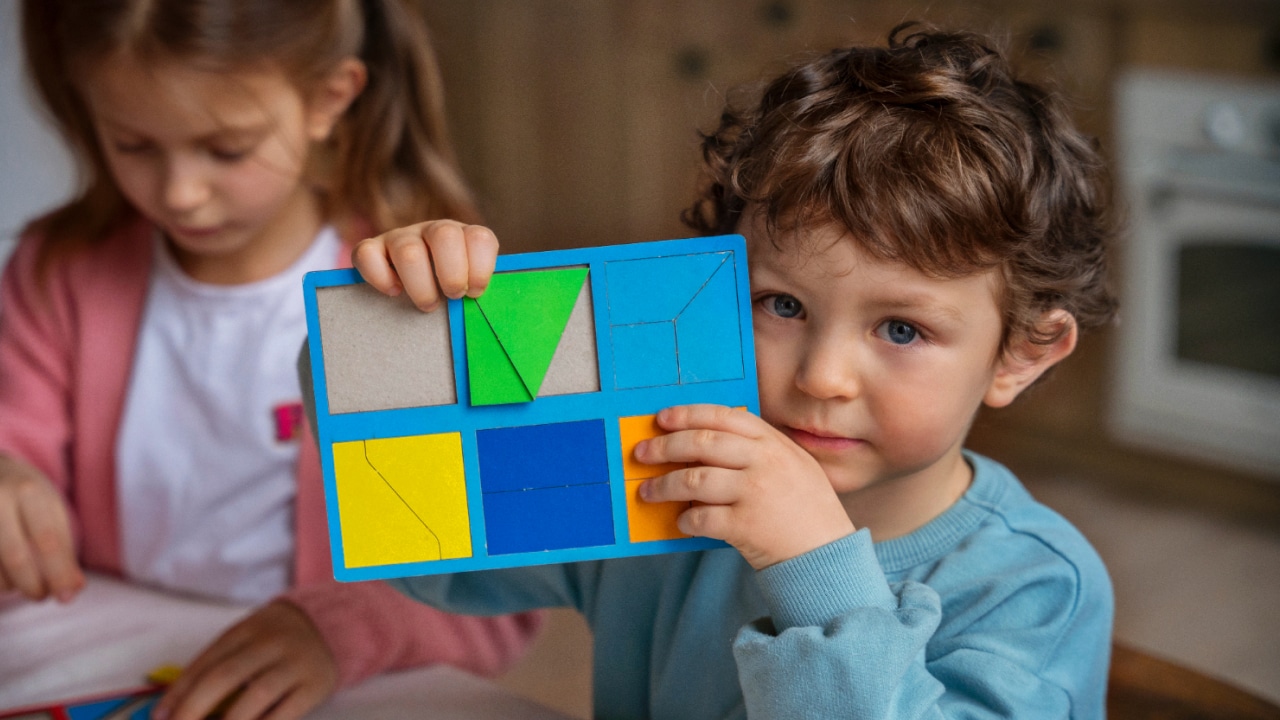
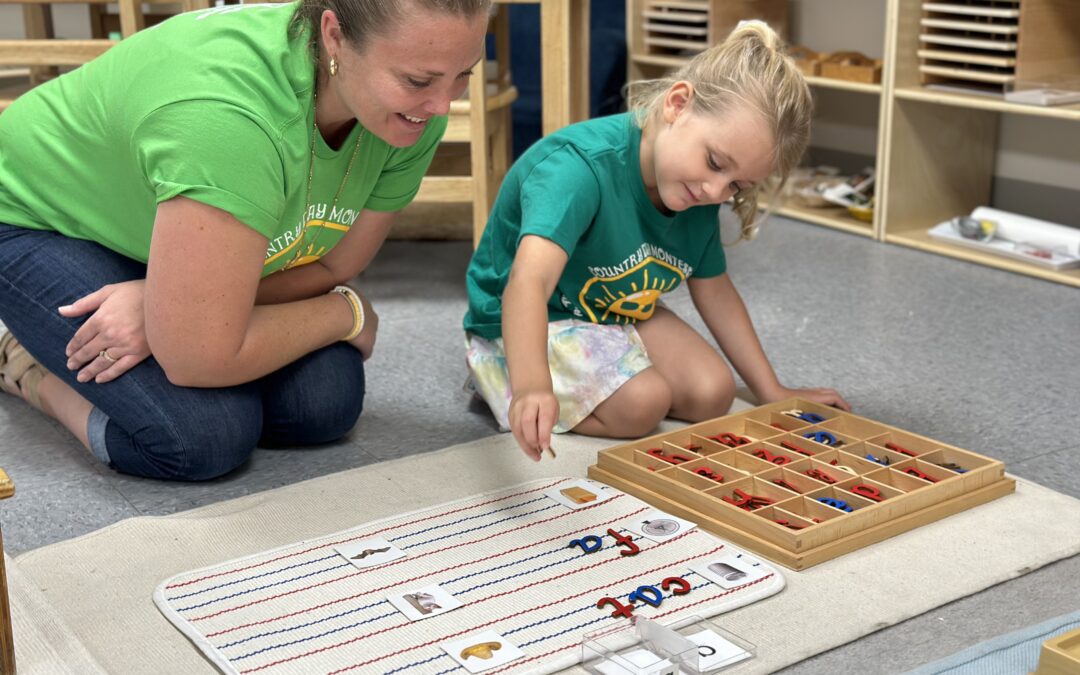
Montessori guides are trained to read subtle cues—where a child pauses in a task, how their hands move across materials, whether they’re stretching into new challenges or shrinking back from them. This level of observation happens moment-to-moment, within arm’s reach. That’s only possible when the group remains intentionally small.
Individualized learning is a practice that hinges on time, presence, and the guide’s mental bandwidth. Smaller class size means more presentations, tighter follow-up, and lessons that land at the exact moment a child is ready. It also means fewer interruptions during those long, uninterrupted work cycles—cycles supported by class size research, which emphasizes the value of focused, child-led engagement in early learning.
It’s the kind of environment where children aren’t rushed to keep pace with a group. They simply grow—deeply, confidently, authentically.
How Small Groups Strengthen Concentration and Independence

If you’ve ever watched a child pour water, polish a mirror, or trace a sandpaper letter, you know that concentration looks almost sacred. It’s delicate and easily disrupted when a classroom becomes crowded.
When class size remains small, children rarely wait long for materials. They can choose works freely and settle more easily into the flow of the day. They move through the room without bumping into peers or competing for space. Even small environmental details matter. Walk past a classroom on a peaceful weekday morning and you can often feel that gentle rhythm from the hallway: children absorbed, guides quietly circulating, the room as balanced as a breath.
Small groups help build independence not by stepping back entirely but by stepping back wisely—at the right time, with the right support.
Social & Emotional Development in Manageable Communities

One of Montessori’s most beautiful features is its mixed-age structure. Older children naturally become leaders, younger children learn by watching and trying, and everyone benefits from the blend. But this dynamic thrives only when class size stays within a healthy range.
A smaller community fosters trust. It allows children to form close, meaningful relationships that become the foundation for collaborative work, conflict resolution, and emotional regulation. It also leaves room for the guide to nurture social growth, rather than simply managing behavior.
For parents curious about how different early childhood models compare, the overview of preschool alternatives provides a useful perspective. But no matter the approach, one truth holds: smaller groups give children room to breathe, belong, and become themselves.
When Class Size Is Too Large
Montessori sometimes gets reduced to “children teaching themselves,” but anyone who has watched an experienced guide in action knows how far that is from reality. The environment supports independence, but the adult’s presence shapes everything. When class size grows too large, that presence becomes stretched thin.
Here’s what you might notice:
- Children waiting for signature materials that should always be available
- More noise, less concentration
- Fewer individualized lessons
- Subtle frustration—restless hands, wandering attention
- A classroom that feels busy instead of purposeful
Even the layout starts to feel different. If you’ve driven past Gold Canyon Rd and Henderson Pass, you may have noticed how easily foot traffic alone changes the feel of a space. Inside a crowded classroom, that same principle applies: too many bodies shift the balance.
Oversized Montessori classrooms aren’t just slightly less effective—they alter the very heart of the method.
The Small-Class Commitment of Country Day
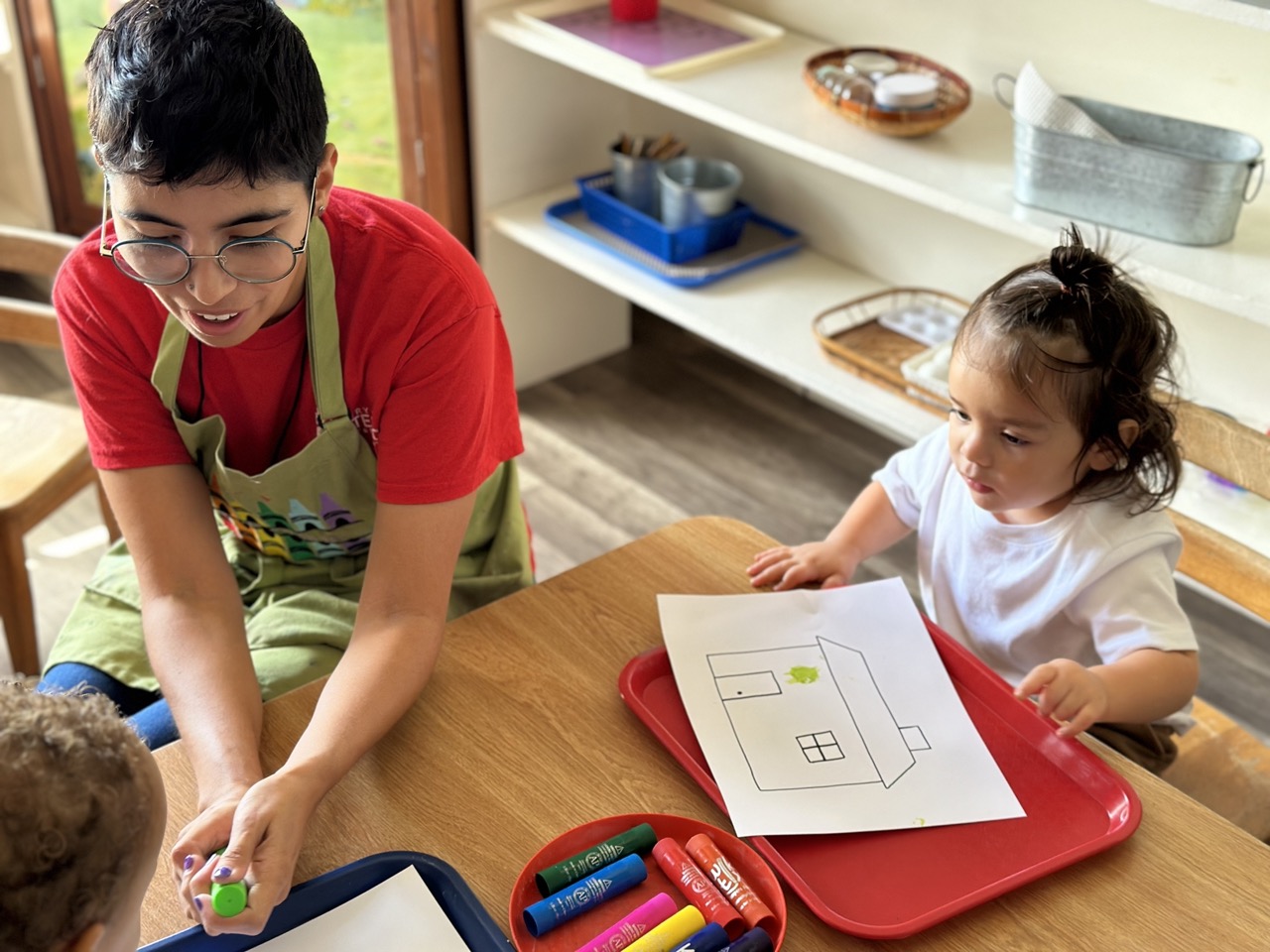
Since 1983, the guides in our school have built environments where each child’s potential is honored and each learning path is respected. It’s part of our community’s identity, woven into both the academic rigor and the character-developing experiences offered daily.
Small groups allow guides to present lessons precisely when a child is developmentally ready, to observe patterns over time, and to support everything from emerging literacy to grace and courtesy. It’s also what makes transitions between Primary, Lower Elementary, and Upper Elementary feel seamless.
Parents wanting a deeper look at daily rhythms often explore insights from the school’s holistic student experience, where the emphasis on independence and confidence shines through. But the real magic happens in the classroom, where low student counts allow children to grow at their own pace without losing the warmth and structure that guide them forward.
What to Look for on a Tour (Parents’ Checklist)
Class size can be hard to assess from brochures, so rely on your senses during a visit. When you step into the classroom, here are some of the things you need to observe:
- Material access: Are children waiting often, or do they choose work freely?
- Guide presence: Do guides circulate calmly, or are they stretched thin managing logistics?
- Social flow: Do children collaborate naturally?
- Noise level: A productive hum is good. Chaotic chatter is not.
- Space: Does the room feel open, or does it feel full?
Touring is also your chance to get a sense of the neighborhood. Many families take a quick drive past Emmitt Park to get a feel of the area’s rhythm and accessibility before stepping inside.
Small Class Size Is Not a Luxury
If you want to understand small-classes, don’t just read about it—step into it. See how children move, how guides facilitate the learning process, and how the room itself seems to adjust to every learner.
You can use our simple tour request form to choose a time that fits your routine or you can call 210-496-6033 to ask questions or get help scheduling.
Frequently Asked Questions
Does smaller class size make it easier for shy or quiet children to settle in?
Yes. Smaller groups feel safer, giving reserved children time to observe before joining in. Guides can support them gently without rushing social interactions. Quieter children become more comfortable once the environment feels manageable.
Will a small class prepare my child for traditional schools later on?
Definitely. Small groups strengthen independence, organization, and problem-solving—skills that translate well into traditional classrooms. Many parents find their children transition smoothly because they’ve already learned to manage their own work.
What’s the ideal class size for Elementary students?
Elementary rooms can be slightly larger than Primary, but they should still stay small enough for guides to track individual projects. During a visit, notice how easily children access materials or get help as those quick cues tell you whether the group size is right.
What should I look for when comparing class size between Montessori schools?
Focus on how many children work at once, not just enrollment numbers. Look for open space, accessible shelves, and minimal waiting for key materials. Parents often say the classroom’s “feel” told them more than any statistic.
Have questions about Montessori in San Antonio?
Schedule a tour or visit Admissions to see openings.
Serving families in Uptown Central & Universal City