It’s the question that nags at a lot of San Antonio parents—part curiosity, part sticker shock, part genuine desire to give their child the best possible start. And if you’re comparing options, you’ve probably clicked through a dozen program pages and still feel like you’re guessing.
Montessori is an investment—financially, yes, but also emotionally and developmentally—and most families want to know what that investment actually buys. So let’s take this apart carefully, honestly, and with the kind of grounded detail that makes a big decision feel more manageable.
What “Worth It” Really Means

When parents ask if it is “worth it,” they’re rarely asking about money in a vacuum. They’re asking about a whole constellation of things and, beneath all of that, the bigger question: Will this environment help them grow into the kind of person who navigates life with curiosity and resilience?
Those things don’t show up on tuition sheets. But they matter sometimes more than anything else.
“Worth it” also means consistency, safety, and a community that understands childhood as a long arc, not a set of boxes to check off. The value sits in that intersection of the practical and the philosophical—structured enough to support progress, flexible enough to honor who your child actually is.
Why It Feels Different

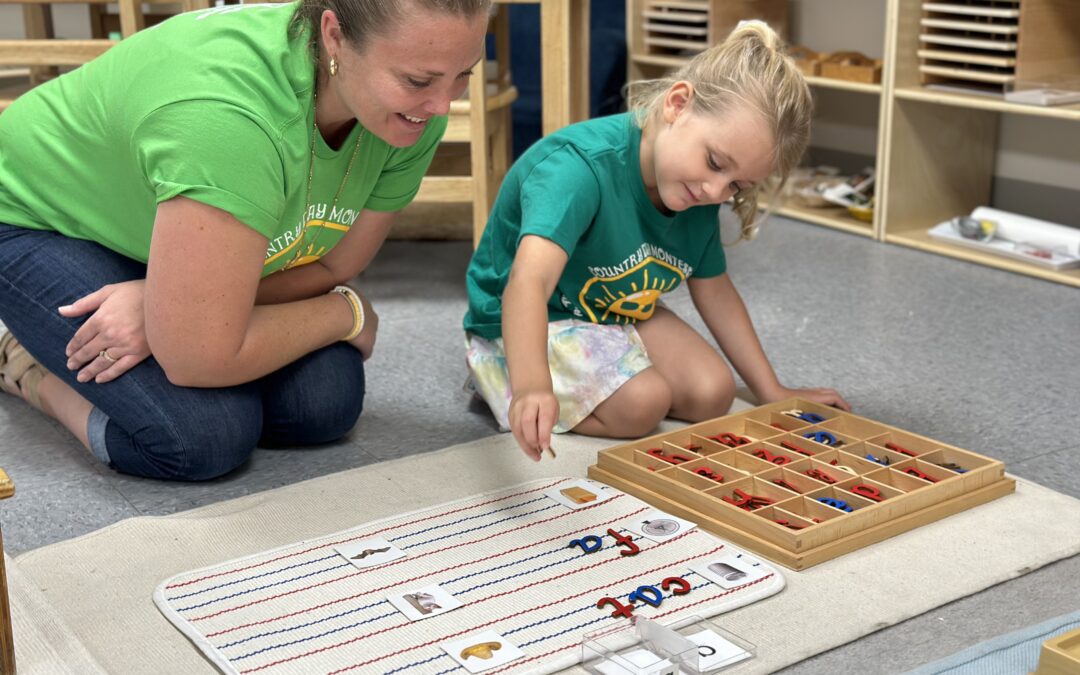
Walk into a traditional classroom and you’ll see a teacher leading from the front. Walk into a Montessori space and you’ll notice children selecting work and guides kneeling beside them—not hovering, not correcting every motion, but quietly offering precise lessons.
You’re not paying for chaos disguised as freedom. You’re paying for a structure so well-designed that children feel independent inside it. Unlike mixed-philosophy programs, authentic Montessori classrooms feature:
- Trained guides who know how to deliver lessons at exactly the right moment
- Hands-on materials that teach abstract concepts in tangible ways
- Multi-age communities—a built-in mentorship system
- Carefully controlled environments so children can concentrate deeply
This is why this learning style often gets compared to an orchestra. Everything is tuned and has a purpose. And when it works, you can feel it.
What Research Says About Montessori Outcomes
A well-cited study from the University of Virginia, published in Frontiers in Psychology, found that children in authentic programs demonstrated notable gains across academics, executive function, and social development. The researchers observed stronger literacy and numeracy, more advanced reasoning skills, and a surprising equalizing effect among children from different backgrounds.
But what does this mean in real life? It means children tend to:
- Organize their thinking more clearly
- Transition more smoothly between tasks
- Persist when work becomes challenging
- Resolve conflicts with more maturity
- Demonstrate curiosity—not performance-driven anxiety
What San Antonio Parents Actually Notice
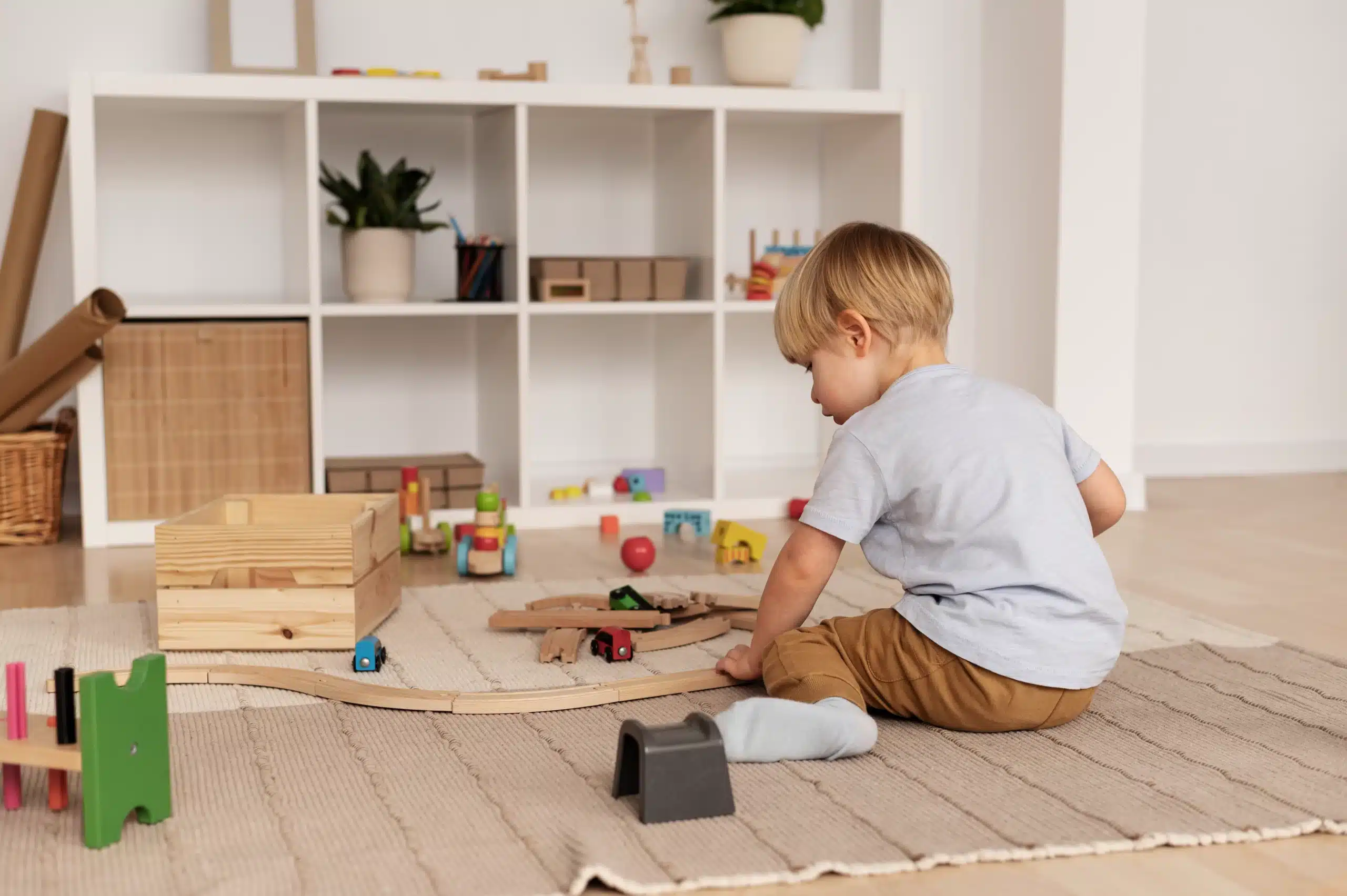
Families from Encino Ranch to Hollywood Park often notice the same thing: how quickly their children become capable in small, meaningful ways. It’s not flashy, but it’s real. You’ll hear stories about toddlers who suddenly want to help set the table, or preschoolers who start reading sooner than expected, or kindergarteners who instinctively include younger peers in games.
And then there’s the community factor. In some parts of the city—such as those near Oak Park Village, families blend busy professional lives with strong neighborhood roots—Montessori’s calm, predictable rhythm feels like an antidote to the hurriedness of everyday routines. Parents appreciate the consistency, the warm structure, and the way their children settle into themselves.
What You’re Actually Paying For
Parents often realize they’re not buying a program; they’re investing in a developmental strategy.
1. Experienced Guides
This is the single greatest cost driver and the greatest value. Educators train extensively to understand child development, observe accurately, and deliver lessons with precision.
2. Beautiful, Durable Materials
Classroom materials aren’t toys; they’re teaching tools crafted for repeated use. A great deal of thought goes into them—sensory sequencing, self-correction features, embedded math concepts.
3. Smaller Class Sizes
Teacher-student ratios allow meaningful one-on-one lessons. Children get seen rather than get lost in the crowd.
4. A Fully “Prepared Environment”
Everything is scaled to the child: furniture, tools, workspaces. This environment is a teacher in itself.
5. A Continuum of Growth
In many schools, the entire arc—Infant through Elementary—exists on one campus. That continuity is invaluable for children who thrive with predictability.
How the Approach Fits Into San Antonio’s Education Landscape
Between public ISDs, charter schools, faith-based programs, and neighborhood preschools, the choice can feel endless. Montessori isn’t always the cheapest or simplest option—but it often provides the most aligned blend of academic readiness and child-led independence.
For some children, it is an ideal early foundation before transitioning to traditional schools. For others, especially those who thrive under autonomy and hands-on learning, it remains a long-term fit—especially through Upper Elementary.
And if you’re comparing choices, you might find it helpful to read our guide to other preschool options in the city, which gives you a wider view of what each philosophy offers.
A Moment That Feels Familiar
If you’ve ever taken the long, quiet cut-through near Toftrees Dr and Nacogdoches Rd, you know the feeling of watching a neighborhood shift from busy intersections to calmer, tree-lined pockets. There’s something about that transition that mirrors how parents describe the shift from their first school tour to understanding what Montessori actually offers.
At first, the options feel crowded and a bit noisy. Every program claims something different. But then you step into a well-run classroom, and your mind settles the way the road does when traffic thins. The environment feels intentional and children move with purpose. Suddenly, the whole decision becomes clearer, like the landscape opening up after you turn that quiet corner.
Questions to Ask Before Enrolling

To know whether the school you’re considering offers genuine value, ask:
- Are your guides properly-trained and experienced?
- How often do children receive individual lessons?
- What materials are in each classroom, and how are they maintained?
- What does your communication with families look like?
- How do you support transitions between program levels?
The answers will tell you everything.
So… Is It Worth It?
If you value independence, curiosity, concentration, confidence, and a child who feels genuinely respected, Montessori tends to pay dividends that last far beyond preschool. It’s not just about academic readiness; it’s about raising children who approach life with steadiness and joy.
Is it worth it for every family? Not always. But for families seeking an environment where the child’s potential is nurtured at a natural, individualized pace, the answer is almost always yes.
An Invitation to Explore
If you’re sorting through options or trying to picture what the method might look like for your child, consider visiting our campus. Seeing the materials, the calm energy, and the purposeful movement often answers questions no brochure can.
Call 210-496-6033 or reach out to the Country Day admissions team.
Frequently Asked Questions
Is the approach too unstructured for academically driven families?
Montessori isn’t loose; it’s intentionally designed. The structure lives in the environment, not rigid teacher direction. Students progress at an individualized pace, which often results in early literacy, confident math foundations, and strong comprehension skills.
Can the method support children who need more guidance or redirection?
Certified guides are trained observers—they notice quickly when a child needs scaffolding, extra lessons, or closer support. The small-group and one-on-one format naturally accommodates different learning needs.
Are the programs a good fit for active or high-energy children?
Montessori principles channel movement into purposeful activity. Children work with hands-on materials, go around the room, and engage in practical-life tasks that allow physical energy to support—rather than interrupt—learning.
Can my child enroll mid-year?
Yes, and we offer orientation routines, transitional lessons, and supportive guidance to help children adapt to the classroom flow within days or weeks
Have questions about Montessori in San Antonio?
Schedule a tour or visit Admissions to see openings.
Serving families in Uptown Central & Universal City