The Reality of Competitive School Environments
The Northeast Independent School District (NEISD) is known for its academic excellence and high-performing schools. However, for some families in the area, this reputation has prompted a search for alternative approaches—particularly child-led Montessori programs near Encino Park that prioritize emotional well-being, independence, and a lifelong love of learning.
“My second-grader was having anxiety attacks about homework,” one local parent shares. “She cried every night because she was afraid of not finishing her worksheets perfectly.”
This story reflects a growing concern among families in top-performing districts: while academic rigor is important, many are questioning whether traditional education models truly support their children’s long-term development and mental health.
Understanding Academic Pressure in Traditional Schools
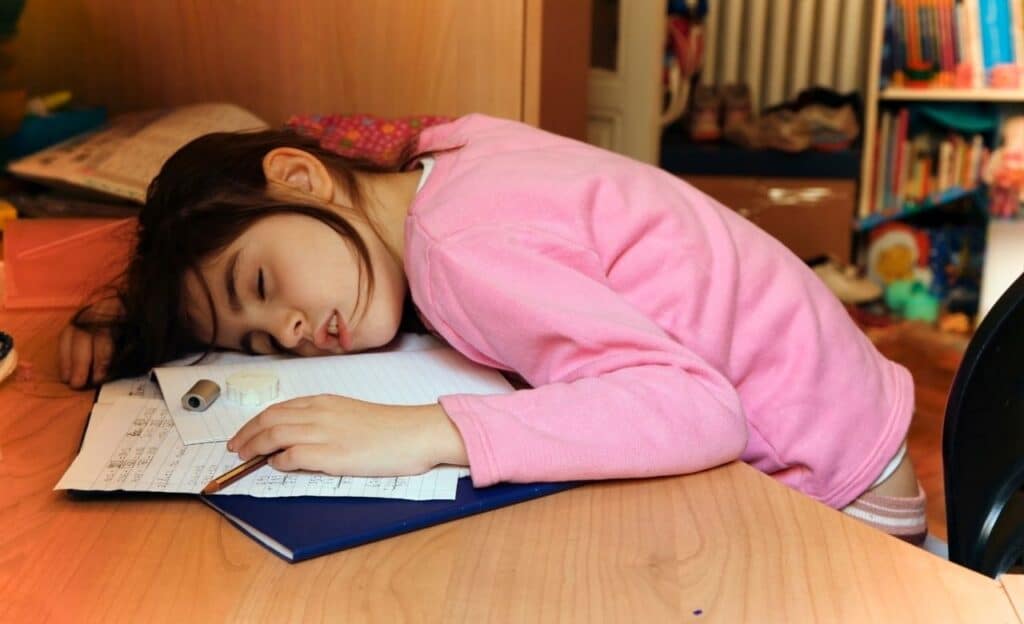
In many traditional school settings, young students encounter several challenging aspects that can create stress. Heavy homework loads often consume family time and create tension at home. Frequent testing and assessment can shift focus from learning to performance metrics. Students are often compared to peers rather than encouraged to celebrate personal growth. There’s often pressure to qualify for advanced programs at increasingly young ages, with limited accommodation for different learning styles and developmental timelines.
These practices, while well-intentioned, can sometimes leave naturally curious children feeling anxious, discouraged, or overwhelmed. Parents report seeing enthusiastic learners become reluctant students before they’ve even reached middle school.
What Is Montessori Education?
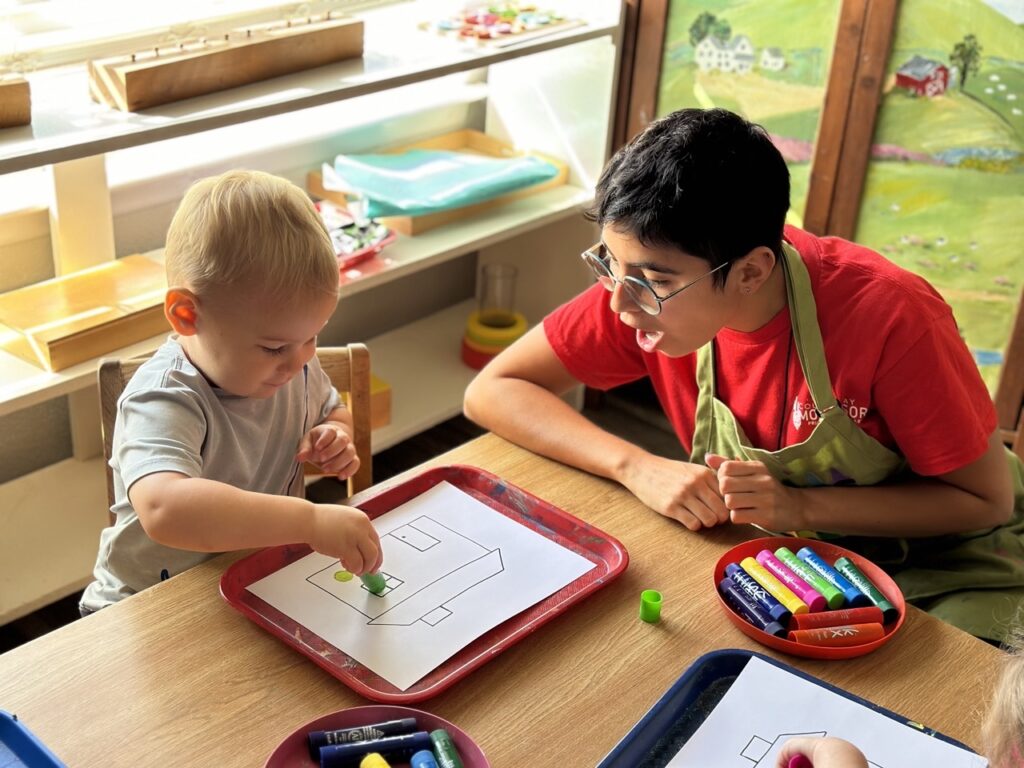
Dr. Maria Montessori developed her educational approach over a century ago based on careful observation of how children naturally learn. Rather than a one-size-fits-all curriculum delivered at the same pace to all students, Montessori education recognizes that children have individual interests. It emphasizes respect for the child as a capable, self-motivated learner.
Core Montessori Principles
- Child-Led Learning: Students choose activities that genuinely interest them, working at their own pace with guidance from trained educators
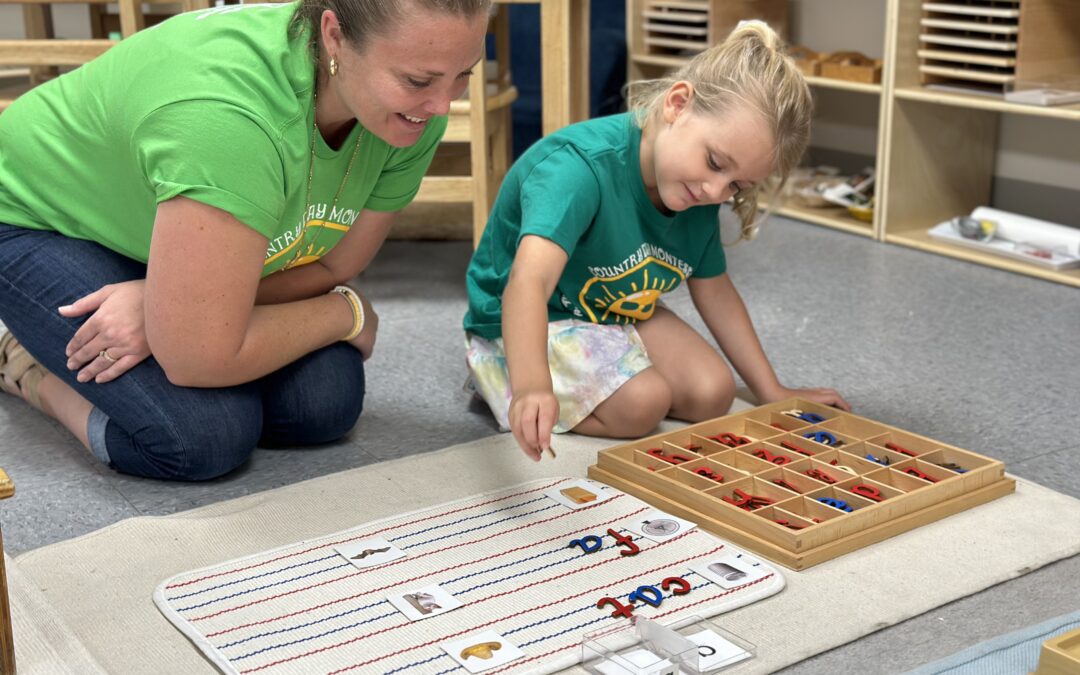
- Hands-On Discovery: Abstract concepts become concrete through specially designed materials that children can manipulate and explore
- Mixed-Age Classrooms: Children of different ages learn together, creating natural mentorship opportunities and reducing competitive pressure
- Focus on Process: Success is measured by personal growth and understanding rather than grades or standardized test scores
This approach aims to preserve children’s natural curiosity while building strong academic foundations through engagement rather than external pressure.
How Montessori Differs from Traditional Education
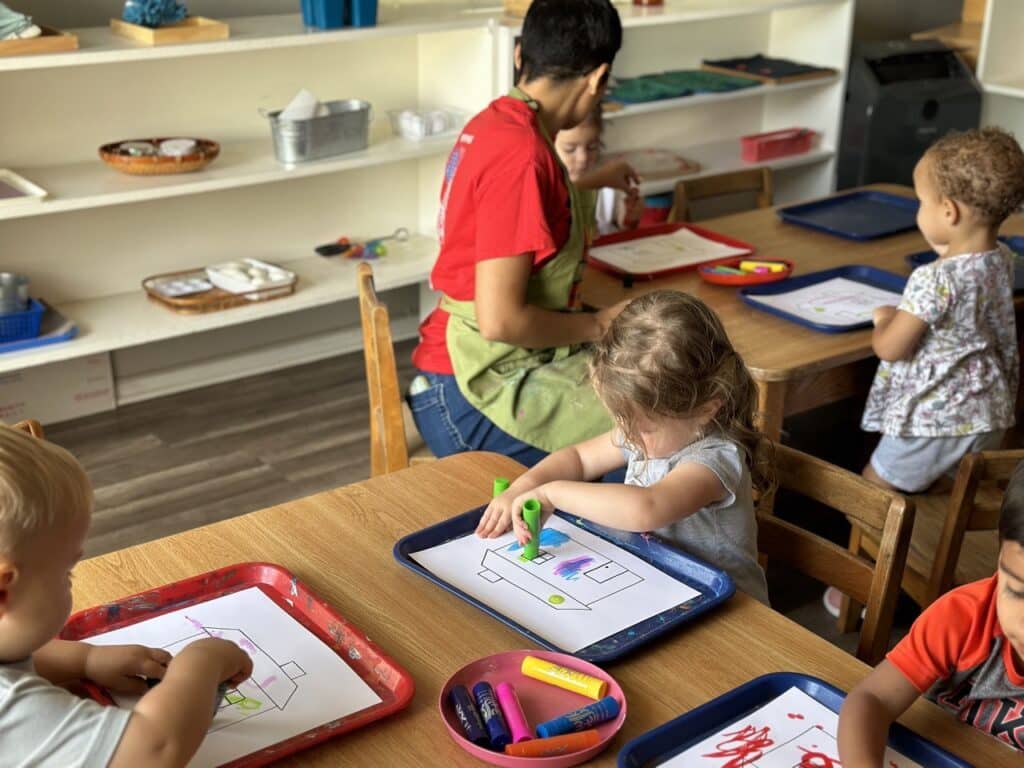
The contrast between Montessori and traditional educational approaches becomes apparent in several key areas. In assessment and feedback, traditional schools often rely on grades and test scores that rank students against each other, while Montessori focuses on individual progress and mastery of concepts.
Regarding learning pace, traditional settings typically require all students to move through the curriculum at the same speed, whereas Montessori allows children to spend the time they need to truly understand concepts before moving forward. In terms of motivation, traditional approaches often use external rewards and consequences, while Montessori cultivates internal motivation through interesting, meaningful work.
The classroom environment also differs significantly. Traditional classrooms are usually organized by strict age groups with teacher-directed instruction, while Montessori environments feature mixed ages with children learning from each other in a community setting.
Research on Montessori Outcomes

Parents considering educational alternatives often wonder about long-term results. Research provides encouraging insights about Montessori education. A comprehensive review of 32 studies across eight countries found that Montessori students consistently perform well academically compared to their traditionally-educated peers.
Perhaps more significantly, these students often show stronger development in areas like self-regulation, creativity, and social skills. They tend to maintain their natural curiosity and love of learning throughout their educational journey, rather than becoming focused primarily on grades or external validation.
Many Montessori graduates successfully transition to traditional high schools and colleges, often bringing valuable skills like independent thinking, self-direction, and collaborative problem-solving to these environments.
Local Montessori Options in San Antonio
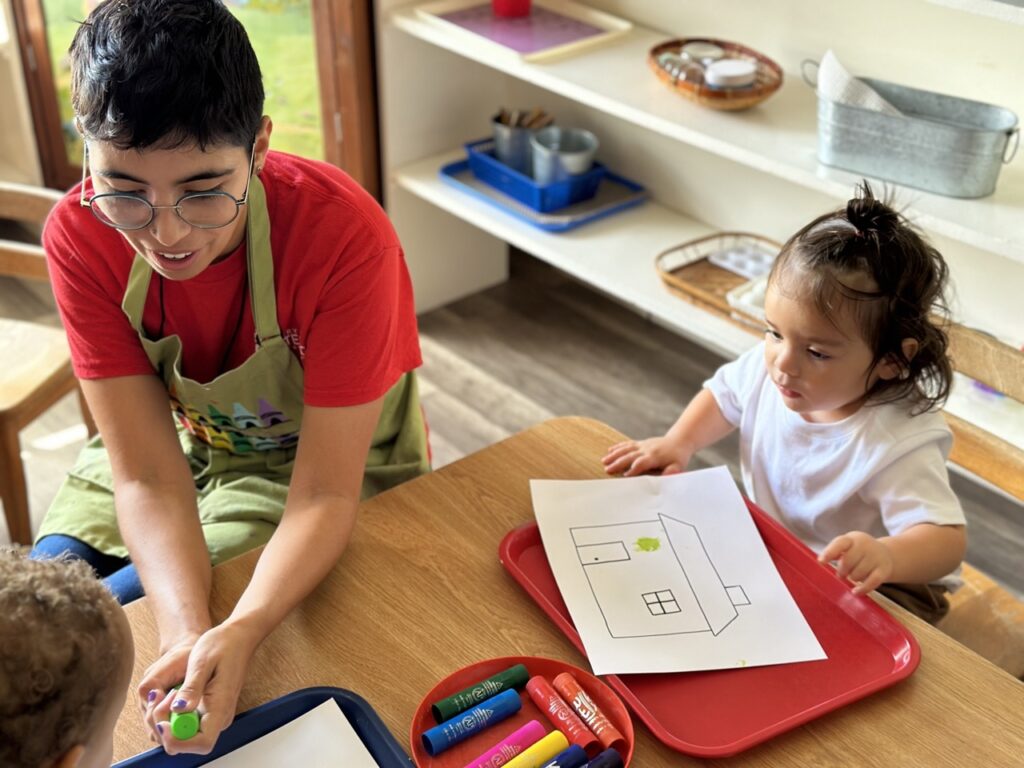
For families in the North San Antonio area, including those living near Encino Park, Panther Springs Park, or Stone Oak Park, there are several authentic Montessori programs within a short drive. When researching options, parents might consider factors such as teacher training and certification, adherence to Montessori principles, class sizes and student-teacher ratios, the age range of programs offered, and the school’s philosophy and community culture.
Some schools serve specific age ranges, while others offer comprehensive programs from infancy through elementary years. The physical environment, outdoor spaces, and hands-on learning materials can vary significantly between schools.
Age-Specific Considerations
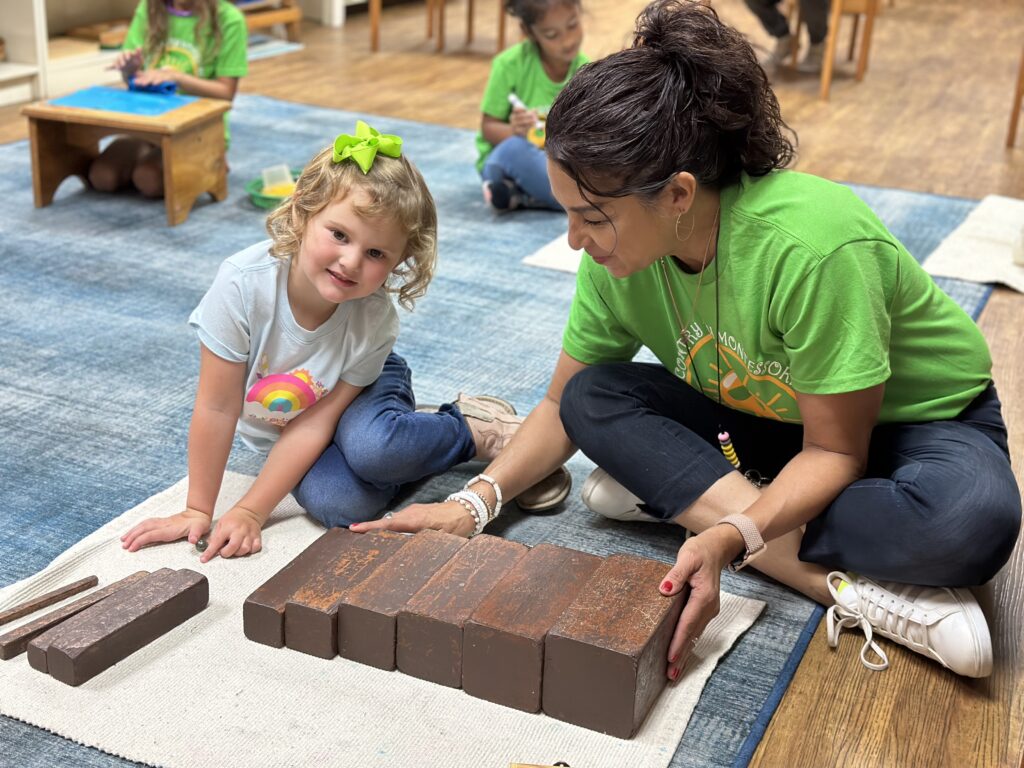
Montessori education adapts to different developmental stages in ways that may appeal to families concerned about academic pressure.
Early Childhood (Ages 3-6)
During these foundational years, Montessori environments typically focus on practical life skills, sensory exploration, early literacy and numeracy concepts, and social-emotional development. Children often work with concrete materials that make abstract concepts tangible, and they’re encouraged to help each other and work collaboratively.
Elementary Years (Ages 6-12)
Elementary Montessori programs usually feature longer work periods that allow for deep concentration, integrated curriculum connecting different subject areas, opportunities for research and independent projects, and continued emphasis on community and collaboration. Students often take on leadership roles and help guide younger classmates.
Is Montessori Right for Every Child?

Like any educational approach, Montessori works well for some children and families, while others may prefer different options. Children who tend to thrive in Montessori environments often show natural curiosity and ask lots of questions, prefer hands-on learning experiences, work well independently or in small groups, and respond better to guidance than strict rules.
However, some children do better with more structure, external motivation, or traditional teaching methods. The key is understanding your individual child’s learning style, personality, and needs.
Making Educational Decisions
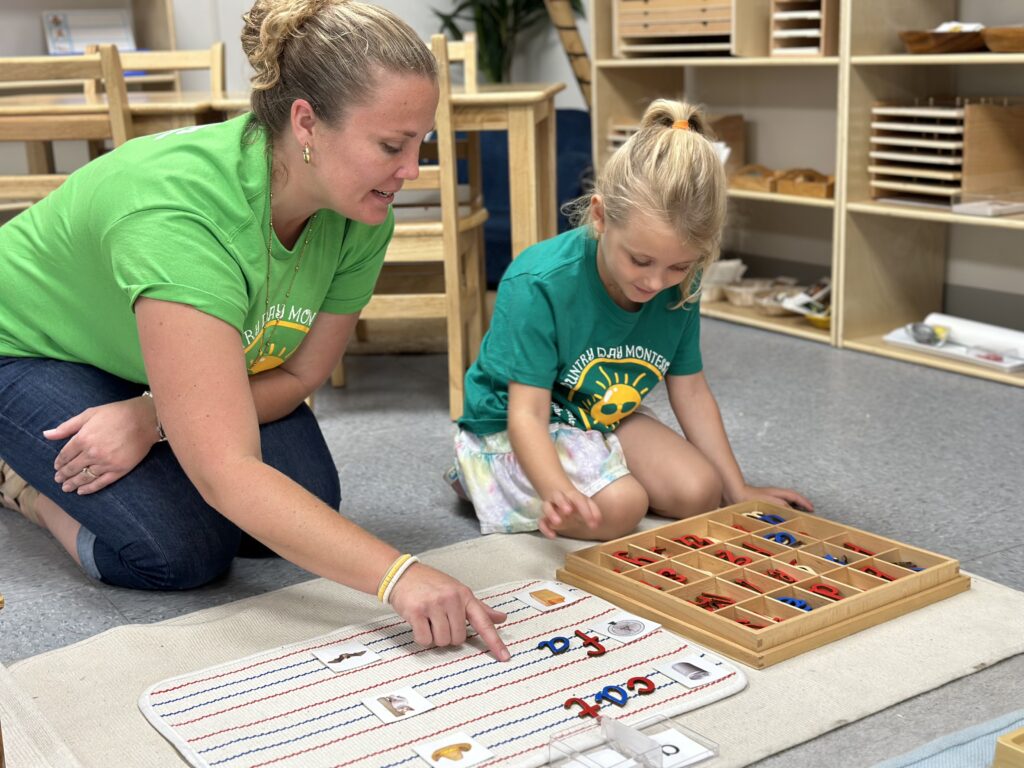
Choosing the right educational environment for your child is deeply personal. Factors to consider might include your child’s learning style and personality, your family’s values and priorities, the specific schools available in your area, and your long-term educational goals.
Some families find that traditional schools work well for their children, while others discover that alternative approaches better meet their needs. There’s no single “right” answer for every family.
Exploring Your Options
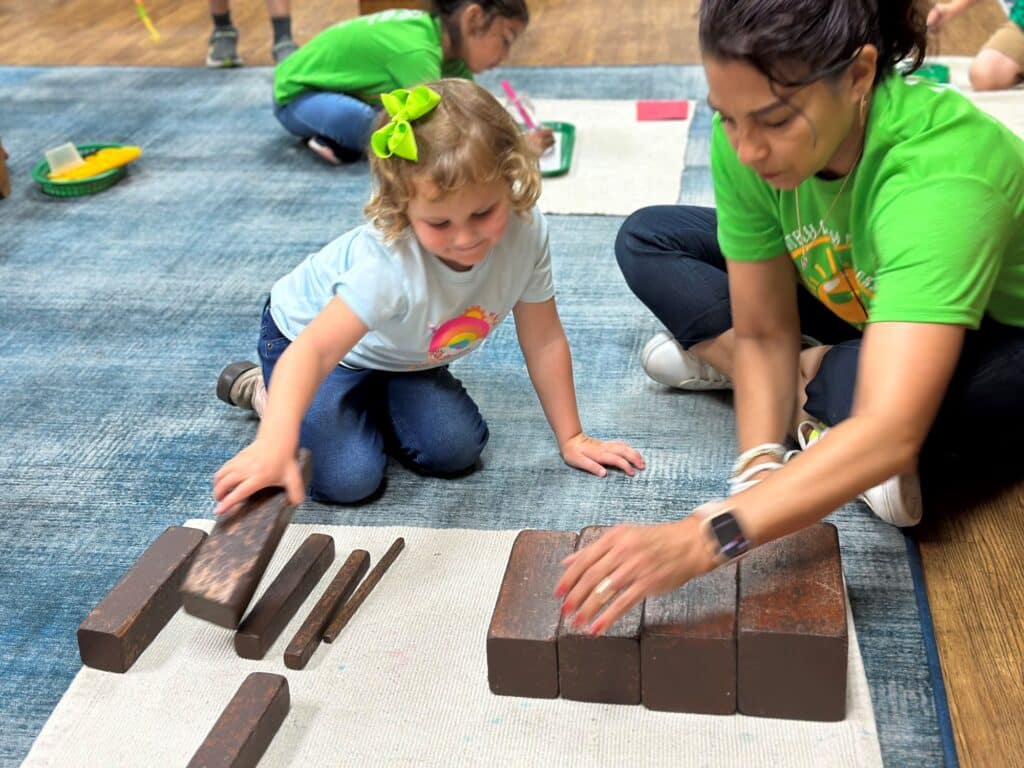
If you’re questioning whether your child’s current educational experience is the best fit, it may be worth exploring different approaches. This might involve visiting various schools, talking with educators about their philosophies, observing classrooms in action, and discussing options with your child.
Questions to Consider
When evaluating any school, whether traditional or alternative, consider asking about the school’s educational philosophy and approach, how they handle individual differences in learning styles, their methods for assessing student progress, the training and qualifications of teachers, class sizes and student-teacher ratios, and opportunities for parent involvement.
For Montessori schools specifically, you might also ask about teacher Montessori training and certification, adherence to authentic Montessori principles, the age ranges in mixed-age classrooms, and how they prepare students for transitions to traditional schools if needed.
The Bigger Picture
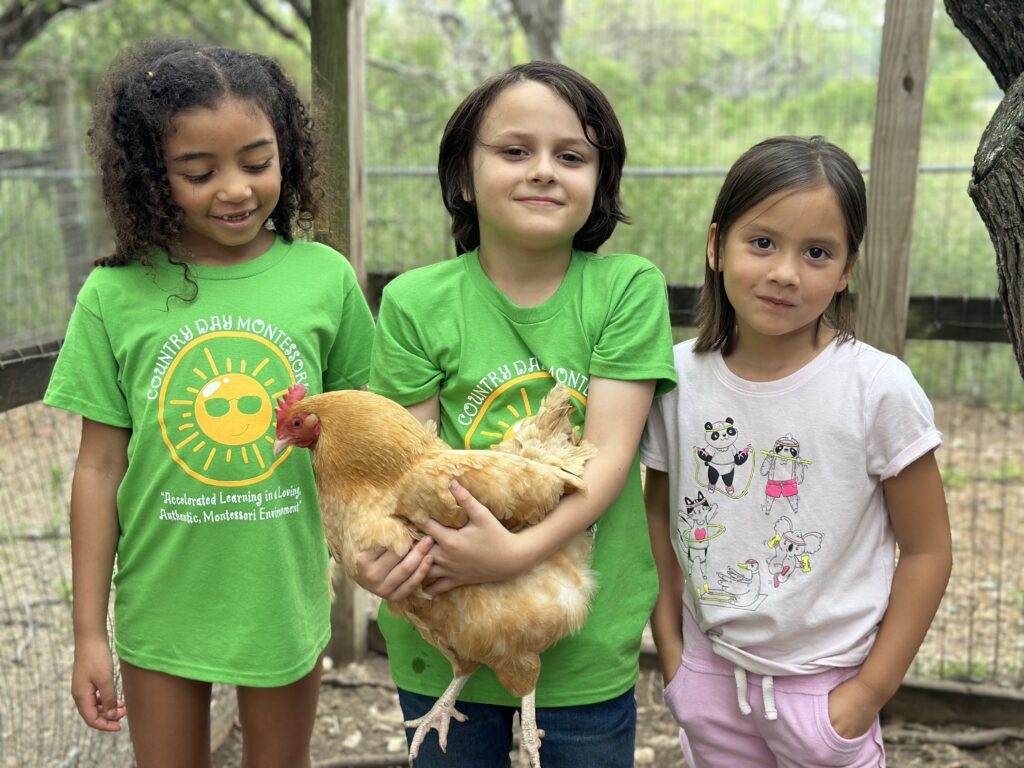
The conversation about educational alternatives isn’t really about whether traditional schools or Montessori programs are “better.” Instead, it’s about recognizing that children have different needs, and families have different values and priorities.
Some children thrive in competitive environments with clear external expectations. Others flourish when given more autonomy and intrinsic motivation. Many benefit from different approaches at different stages of their development.
What matters most is finding an educational environment where your child can grow academically, socially, and emotionally while maintaining their natural love of learning.
Moving Forward
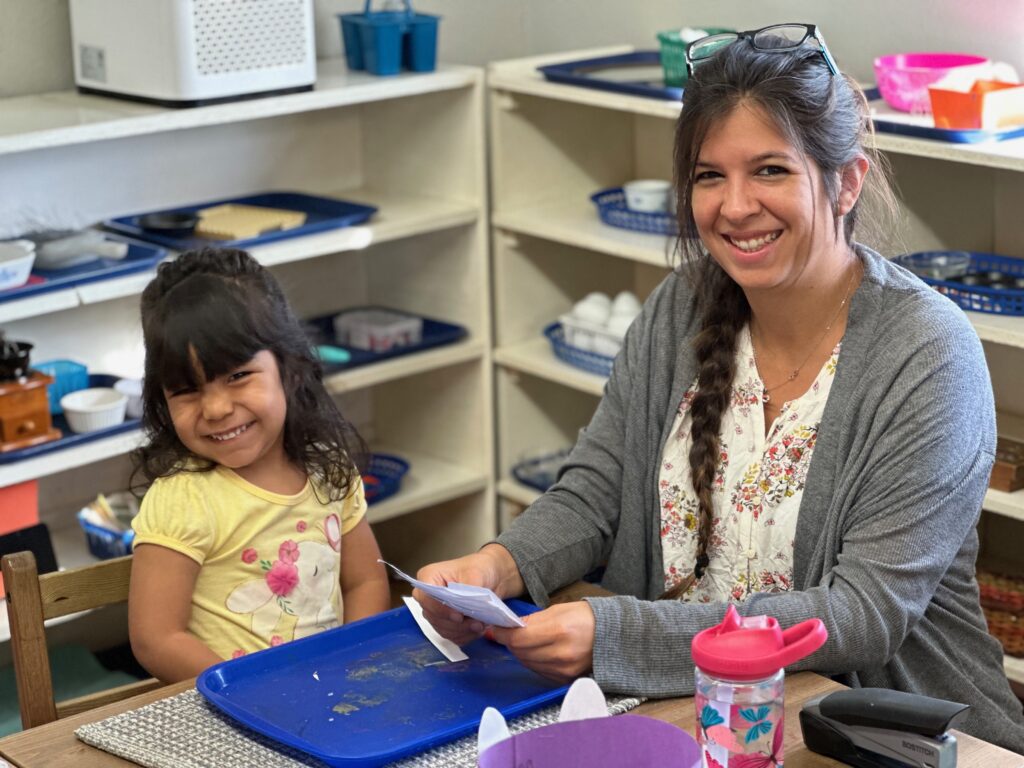
If you’re concerned about academic pressure in your child’s current school, you have options. This might involve working within your current school system to address specific concerns, exploring alternative educational approaches like Montessori, or considering other educational philosophies that align with your family’s values.
The goal isn’t to push children into early academics but to nurture the foundational skills—social-emotional development, fine motor abilities, and early independence—that set them up for long-term success. If you’re looking for a supportive, balanced start, check out Encino Park Parents: Building School Readiness the Right Way for insights on how to help your child thrive without pressure.
Educational decisions are rarely permanent. Many families find that what works well for their child at one stage may need to change as the child grows and develops. The key is staying attuned to your child’s needs and being willing to make adjustments when necessary.
Frequently Asked Questions About Montessori Education
What happens if my child needs extra help with a particular subject?
Montessori education's individualized approach naturally accommodates different learning paces and styles. Teachers work closely with students who need additional support, often using hands-on materials to make concepts more accessible. The mixed-age classroom environment also provides natural peer tutoring opportunities. For children with diagnosed learning differences, many Montessori schools can adapt their approach while maintaining the core philosophy of respecting each child's individual development.
Do Montessori schools have homework and how much?
Montessori schools typically have a different approach to homework than traditional schools. Rather than worksheets or repetitive practice, assignments often focus on real-world application, research projects, or extension of classroom interests. The amount varies by age group and school, but the emphasis is usually on meaningful work that connects to the child's interests rather than busy work. Many families find this approach reduces homework battles while maintaining academic rigor.
How do parents stay informed about their child's progress without traditional report cards?
Instead of letter grades, Montessori schools typically provide detailed narrative assessments that describe a child's development across all domains - academic, social, emotional, and physical. Parents often receive portfolios of their child's work, observation notes from teachers, and opportunities for regular conferences. This approach gives parents a much richer understanding of their child's growth than traditional grades, though some schools also provide grade equivalents for families who need them for record-keeping.
What should I look for when visiting a Montessori school to ensure it's authentic?
When evaluating a Montessori school, look for teachers with proper Montessori training and certification, authentic Montessori materials throughout the classrooms, mixed-age groupings (typically spanning 3 years), and uninterrupted work periods where children choose their activities. The environment should feel calm and purposeful, with children engaged in meaningful work rather than busy activities. Ask about the school's adherence to Montessori principles and whether they're affiliated with recognized Montessori organizations like the American Montessori Society.
Resources for Further Research
Families interested in learning more about educational alternatives might consider visiting schools during their regular operating hours, attending informational sessions or open houses, reading research on different educational approaches, connecting with other parents who have explored various options, and, most importantly, involving their children in age-appropriate discussions about their school experience.
Remember that every child is unique, and what works wonderfully for one family may not be the right fit for another. The most important thing is finding an educational environment where your child can thrive both academically and personally.
The decision about your child’s education is deeply personal and important. Take time to research your options, visit schools, and consider what approach best supports your child’s individual needs and your family’s values.